

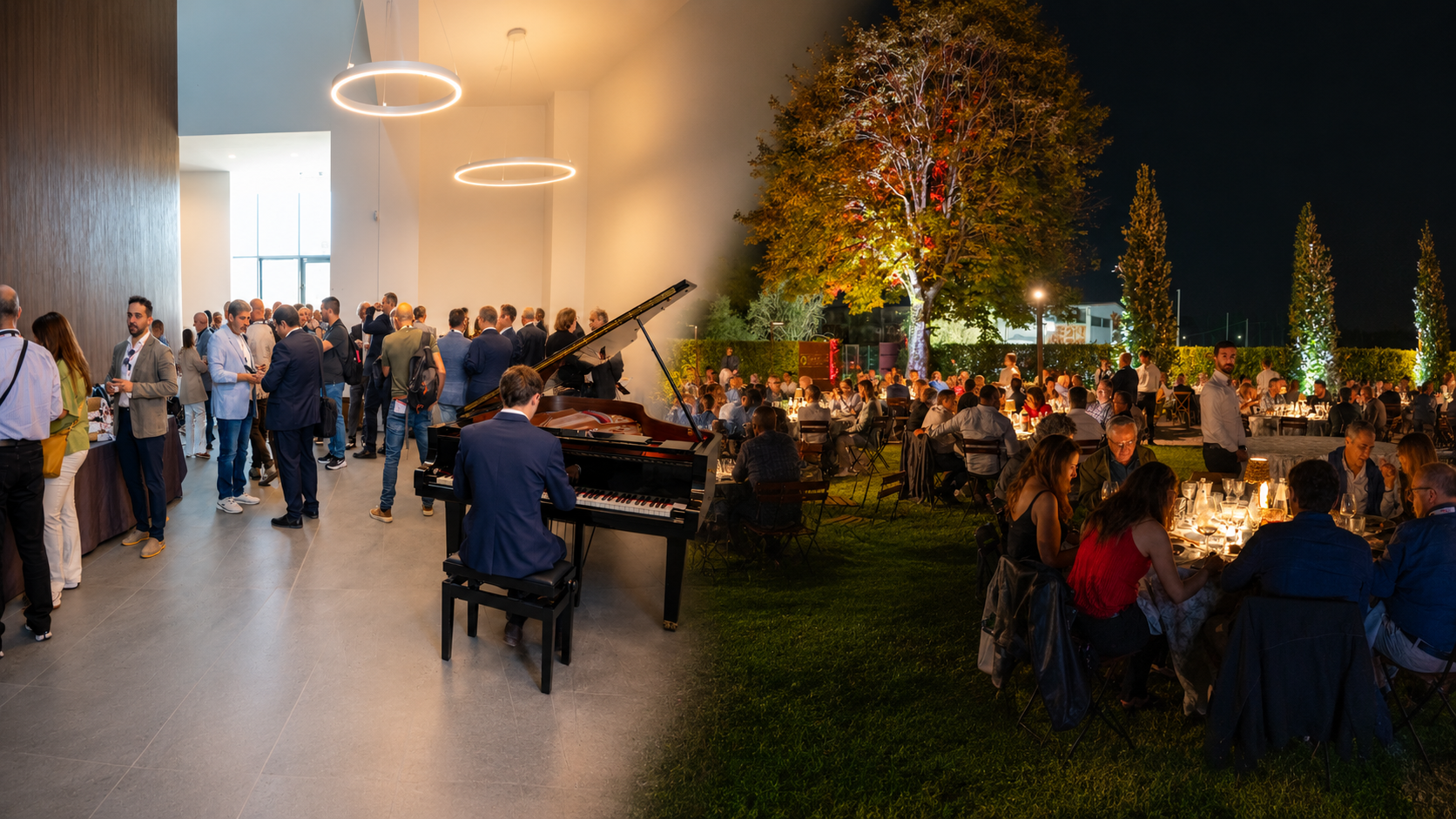
Following a first day dedicated to food, culture, local heritage and the inauguration of the new Via Milano site, the 15th edition of Wheat, flour and… moved into the heart of the technical discussion. The second day focused on one of the milling industry’s most strategic priorities: efficiency. The topic was explored from different yet complementary perspectives, looking at the challenges facing the industry and the opportunities offered by technological innovation, strategic maintenance, automation and advanced logistics.
Culture, local roots and the future
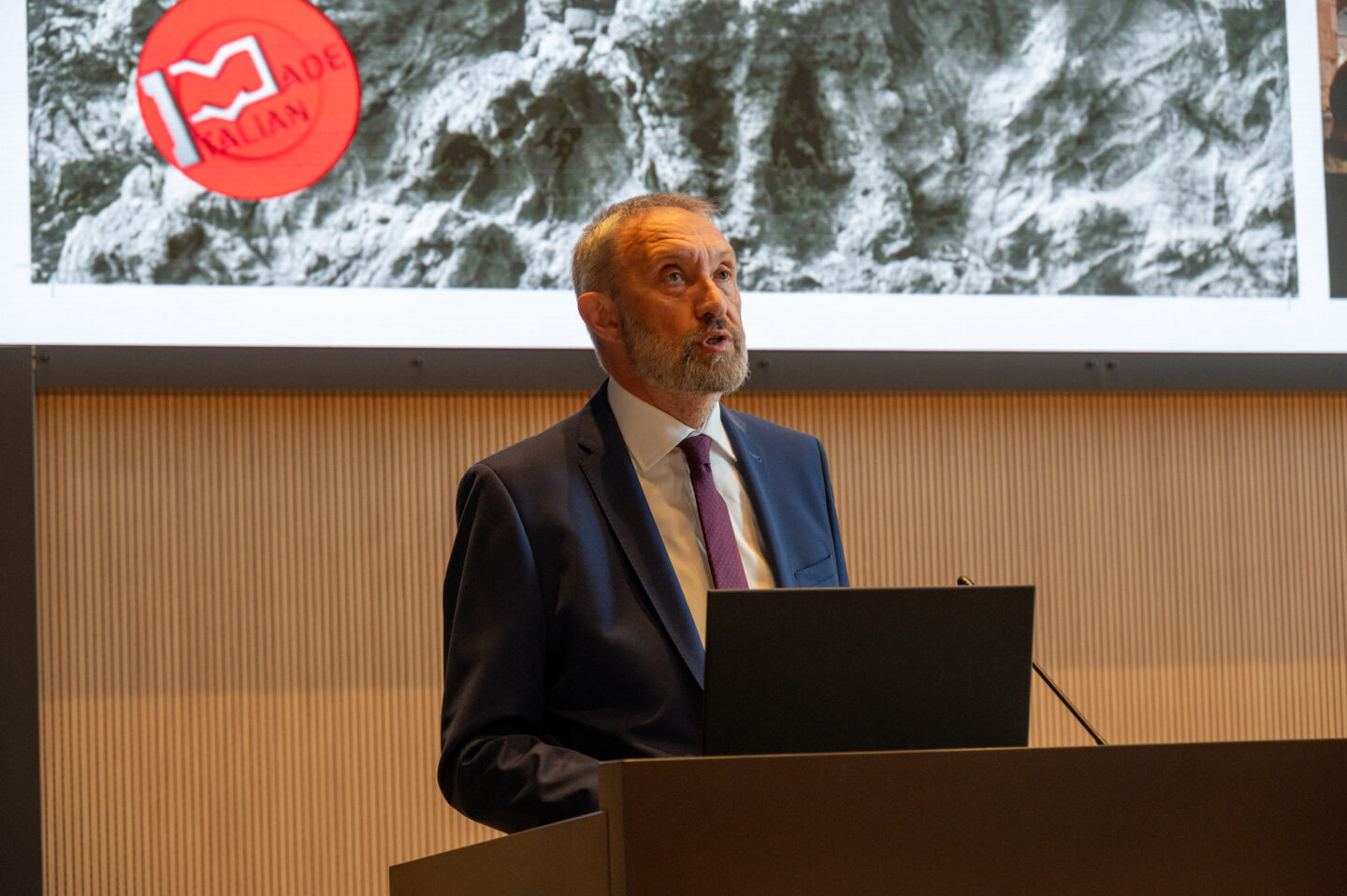
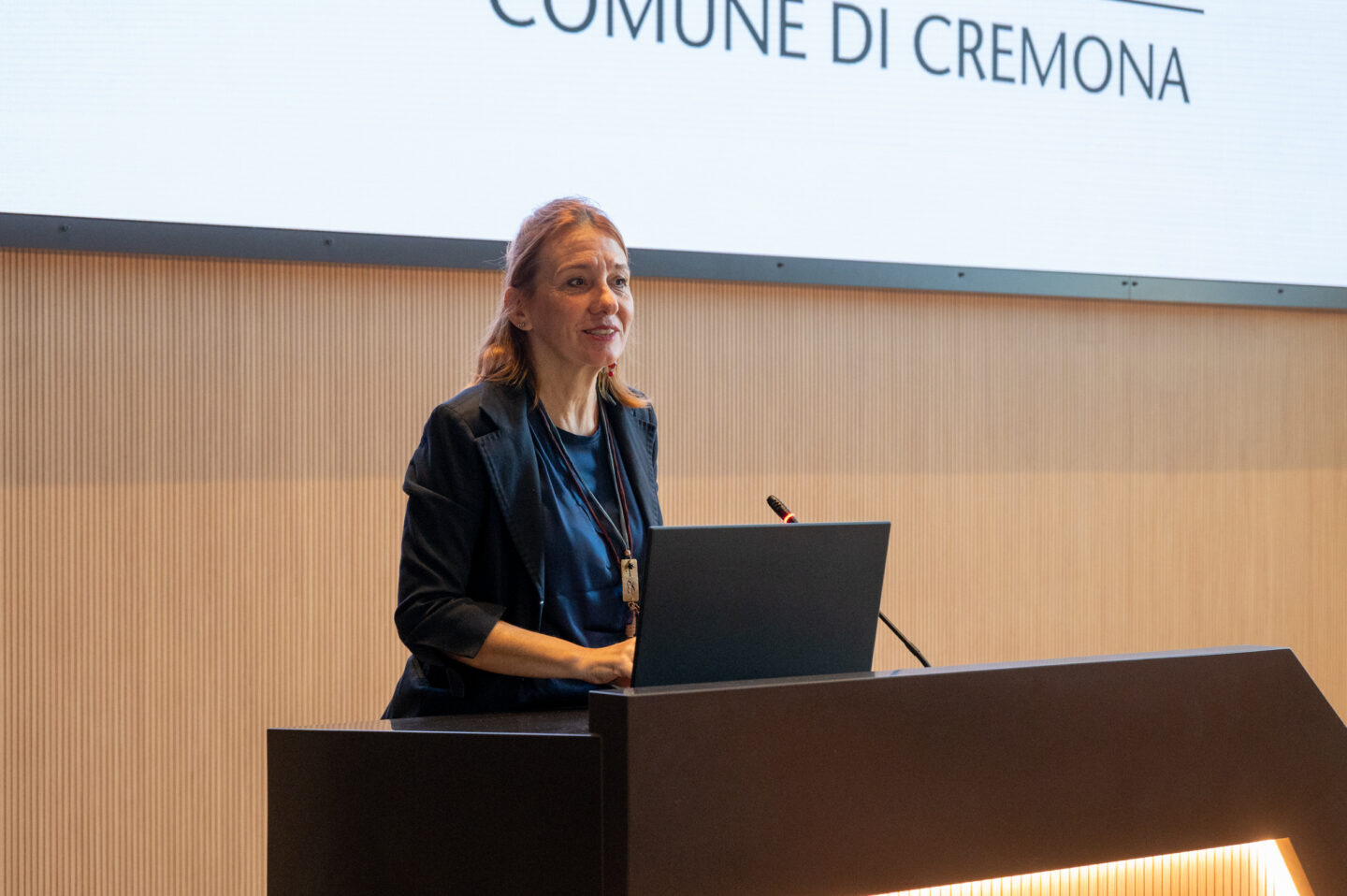
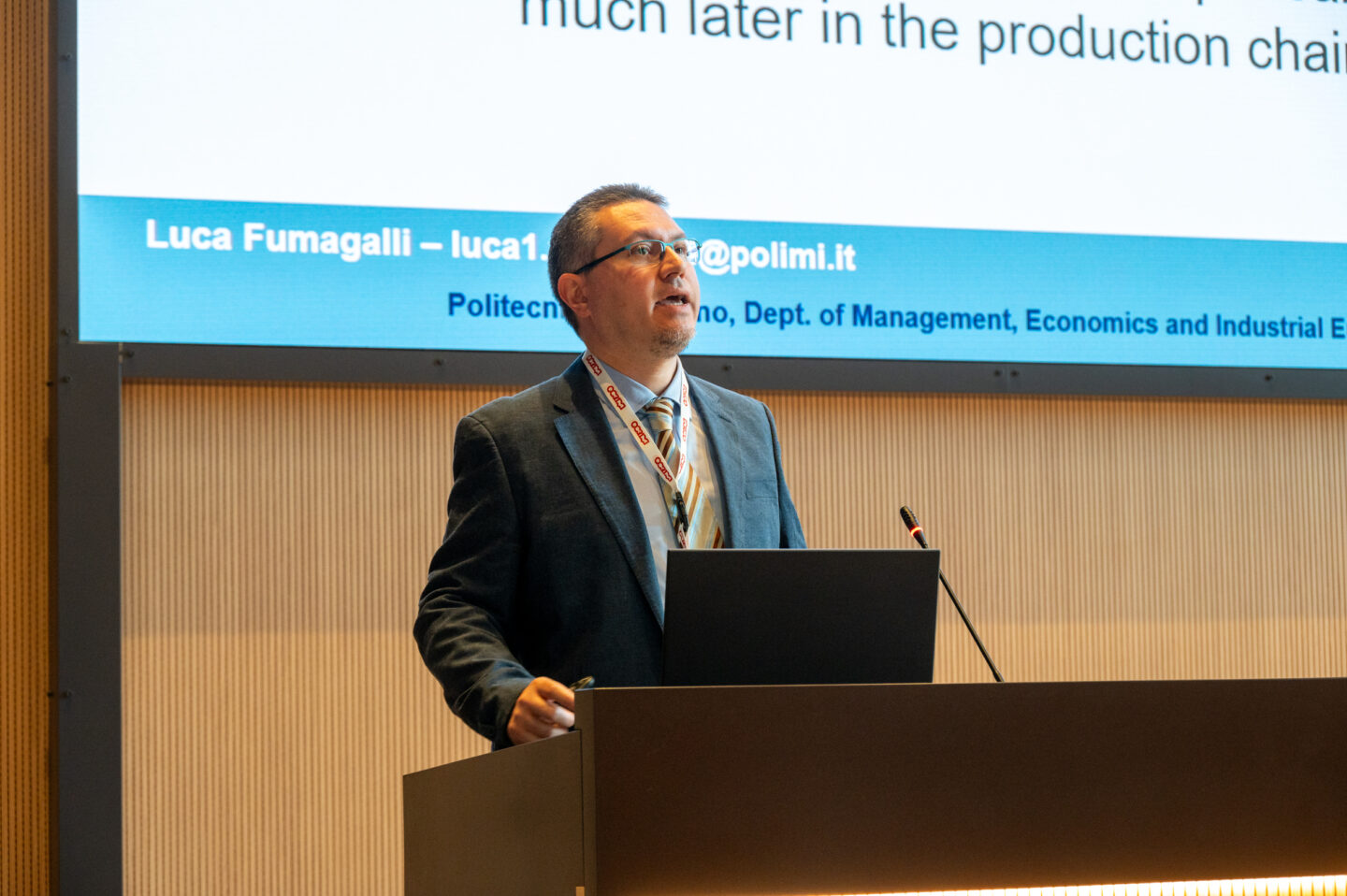
After welcoming the participants, the day opened with remarks by Stefano Mazzini[1], Francesca Romagnoli[2] and Luca Fumagalli[3].
Mazzini’s introduction focused on culture as a cornerstone of Ocrim’s vision: not only the preservation of historical and artistic heritage, but also the development of skills, education and the passing on of professional expertise built over more than eighty years of experience. In this context, we announced the funding of a scholarship for the Politecnico di Milano’s Excellence Programmes, reaffirming our commitment to younger generations and the development of human capital. This commitment also extends to a programme dedicated to asylum seekers. Initially launched in collaboration with the Prefecture of Cremona, the initiative aims to support social, community and professional integration by developing and expanding skills that can create new opportunities within our industry.
What does efficiency really mean?
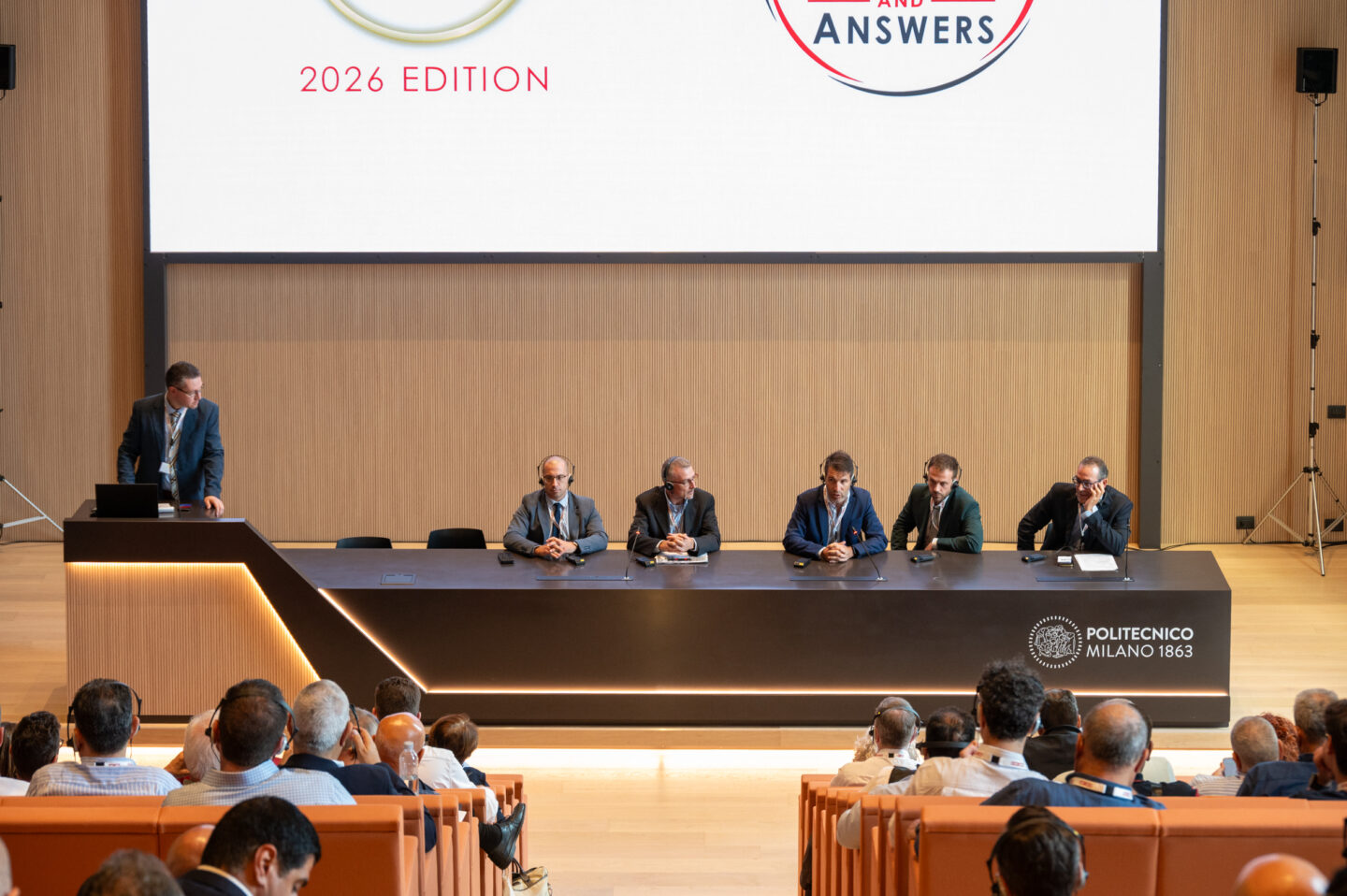
Moderated by Professor Luca Fumagalli, the conference began with a question that was as simple as it was fundamental: what does efficiency really mean within a complex industrial plant?
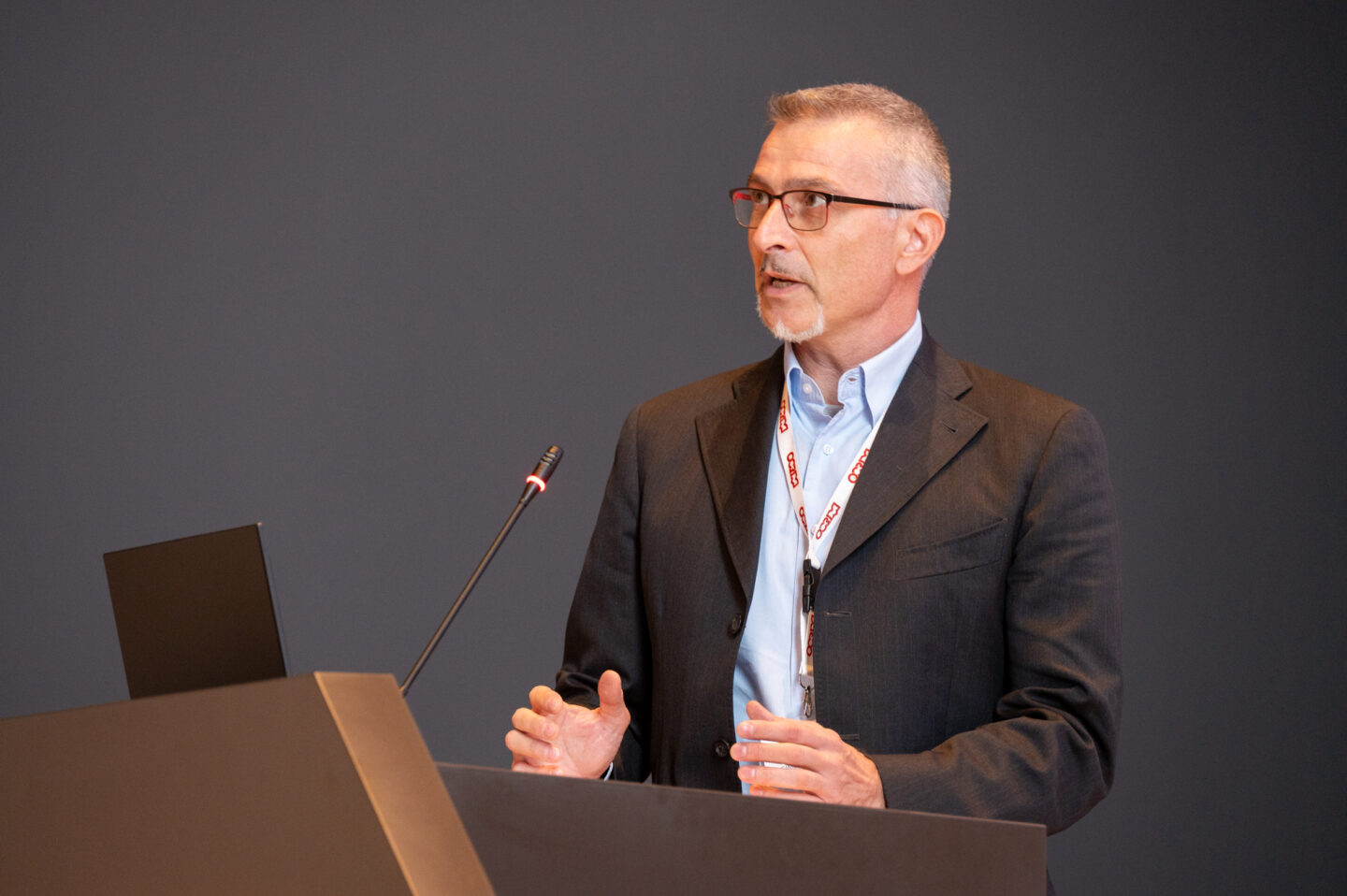
Fumagalli highlighted the importance of looking at efficiency from a system-wide perspective, taking into account the interactions between processes, people, resources and operational variability. The goal is not simply to maximize performance, but to understand and reduce the losses that affect the plant as a whole, learning to manage the complex relationships that shape its overall behaviour.
Innovation driving efficiency
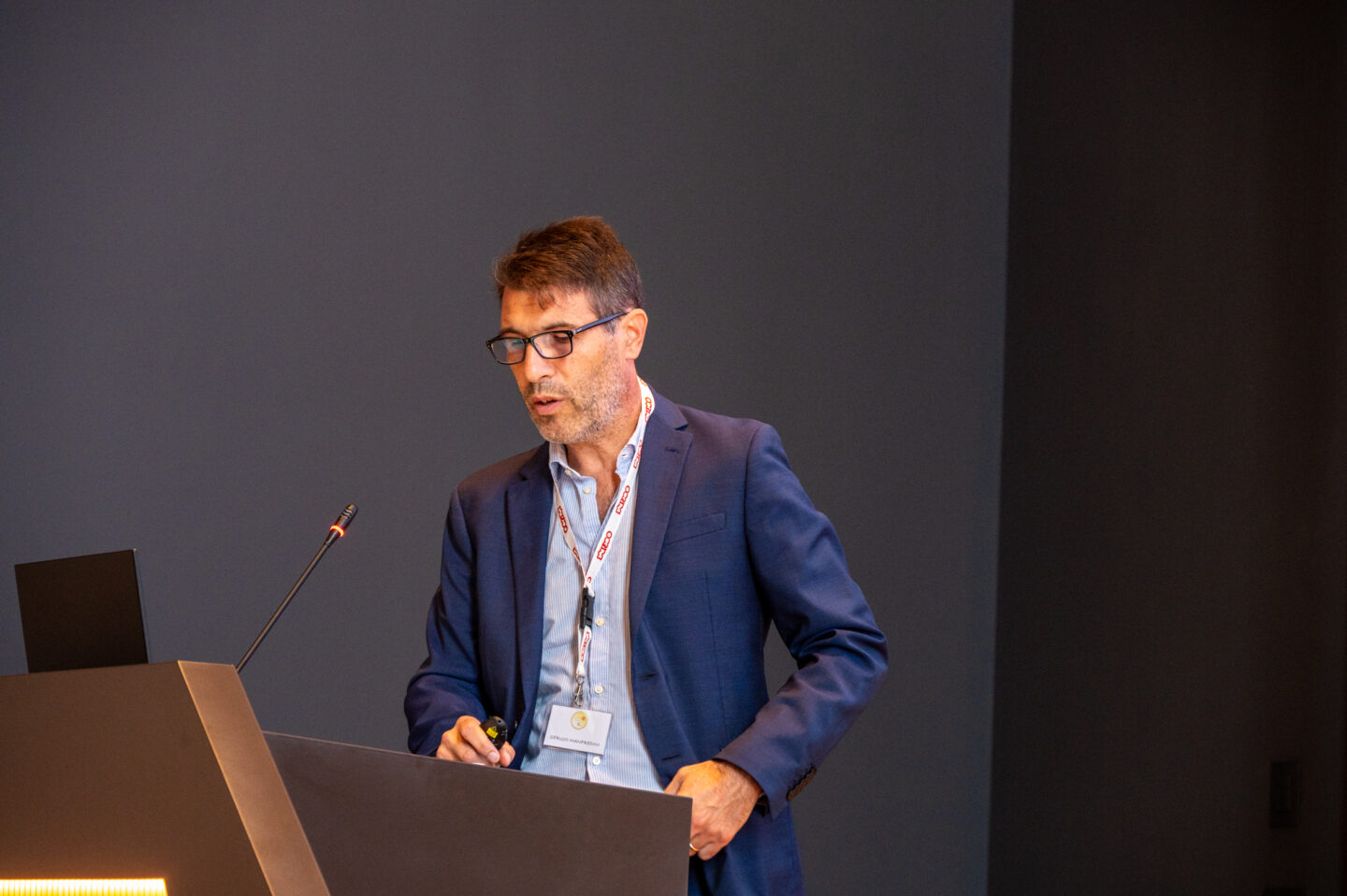
Sergio Manfredini[4] explored how milling machinery is evolving through the integration of advanced sensors, control systems and specialized software. Temperature and pressure sensors, together with particle-size analysis, now make it possible to monitor processes in real time, optimize rollermill performance, reduce waste and improve final product quality.
The direction is increasingly clear: connected, intelligent plants where automation and data analysis work together to enhance both efficiency and sustainability.
Maintenance as a strategic asset
Simone Pedrini[5] focused on strategic maintenance as a decision-making process designed to ensure long-term production continuity.
From corrective and preventive maintenance to predictive and prescriptive approaches, his contribution showed how choosing the right strategy depends on the criticality of individual machines and on the ability to interpret data collected in the field.
Metrics such as OEE (Overall Equipment Effectiveness), MTBF (Mean Time Between Failures) and MTTR (Mean Time to Repair) provide essential tools for assessing the effectiveness of these strategies and continuously improving plant performance.
Automation at the service of people
Michele Attramini[6] then explored the role of automation and process control. In an industry that must continuously respond to variations in raw materials, automation was presented not as a replacement for human expertise, but as a tool that can support the miller’s decisions while enhancing experience and specialist knowledge.
Supervisory systems, intelligent alarm management and centralized control can improve quality, safety and efficiency, allowing people to focus on higher-value activities.
Efficiency beyond production
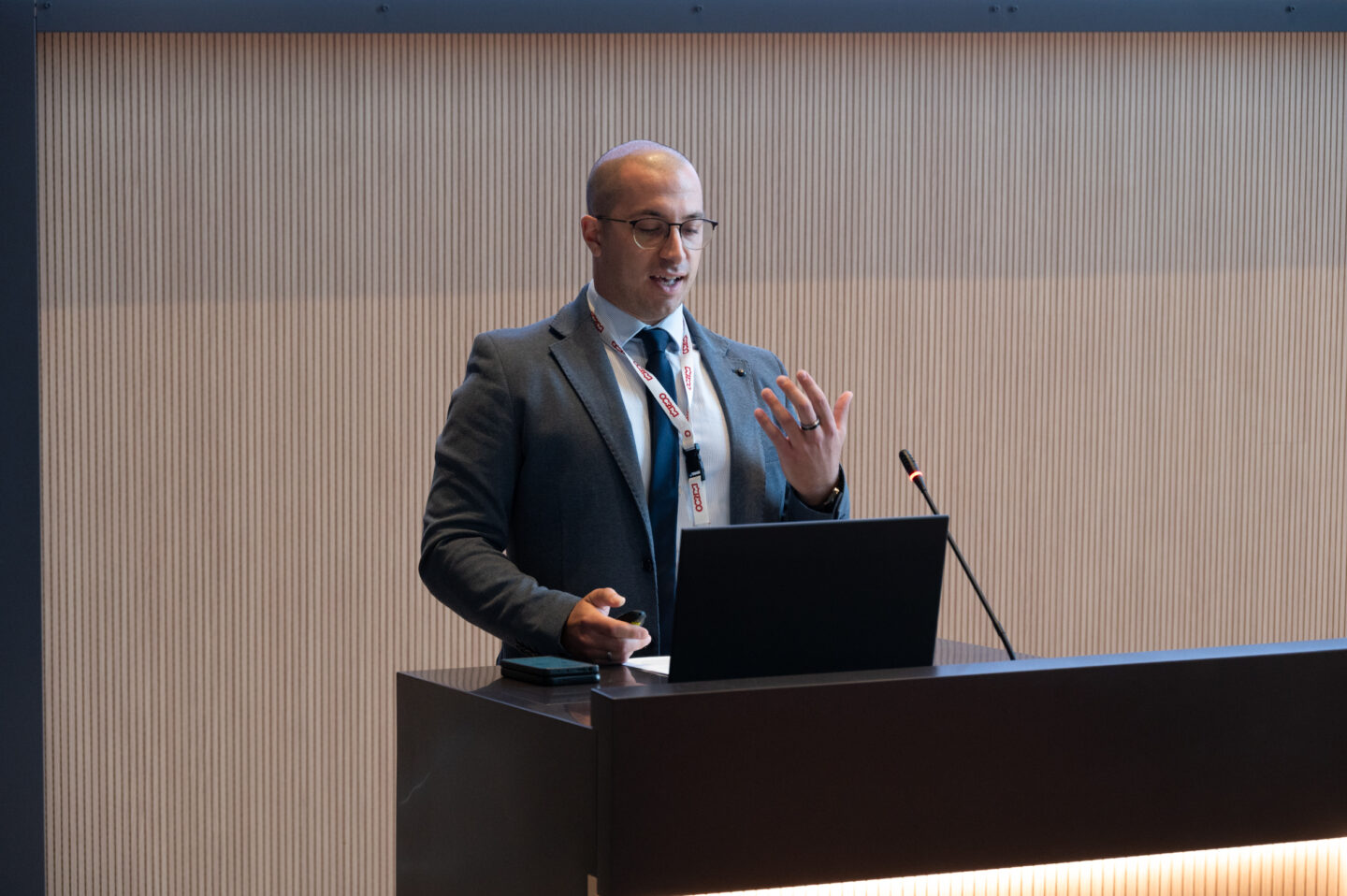
Francesco Gabbio[7] highlighted how a significant share of inefficiencies can arise after the production stage itself. Automated palletizing lines can help remove bottlenecks, maintain continuous flows, reduce waste caused by damaged bags and integrate logistics processes with enterprise management systems.
It is an approach that confirms how efficiency cannot be limited to a single machine, but must extend across the product’s entire journey.
Innovating today to compete tomorrow
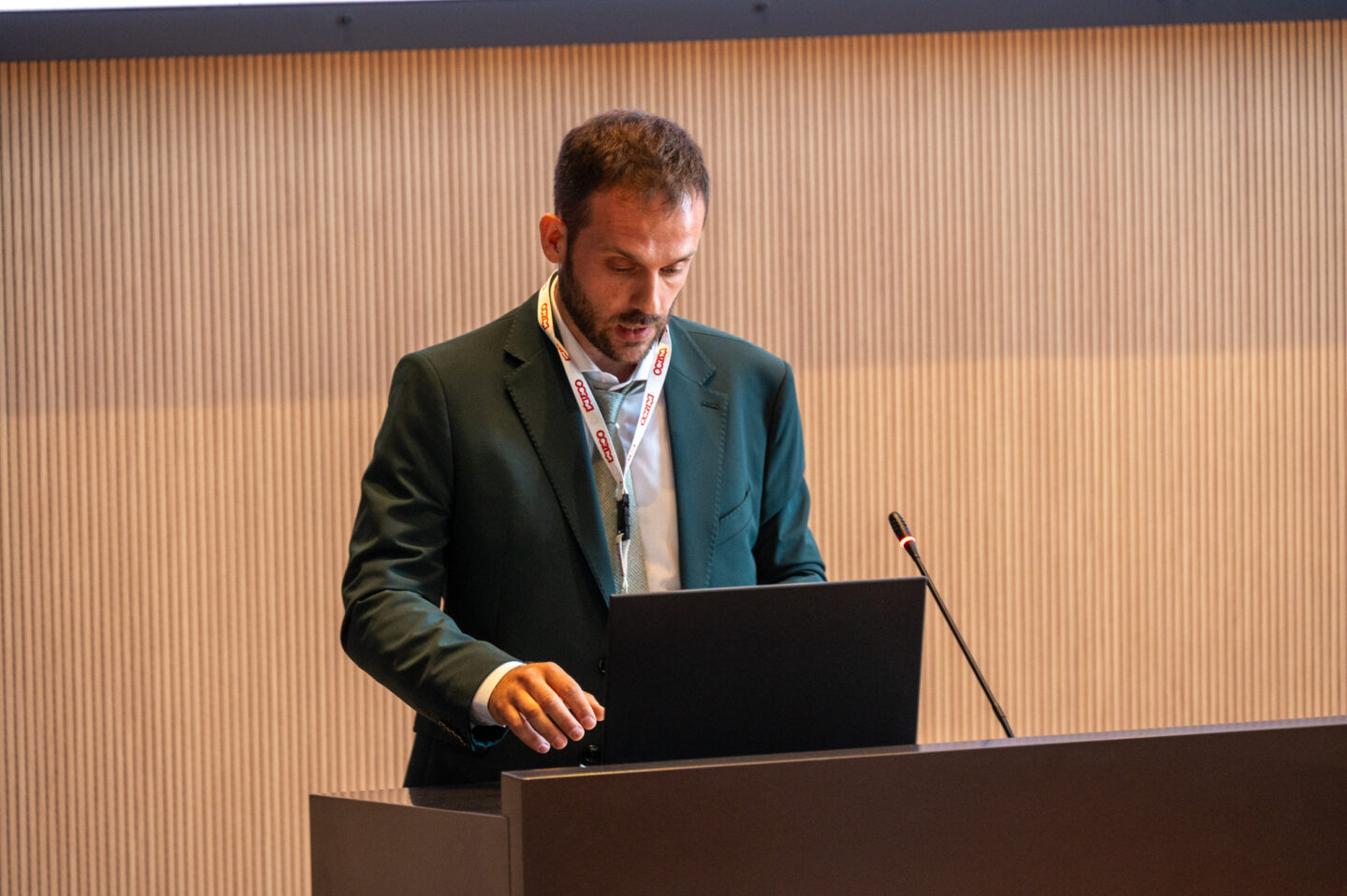
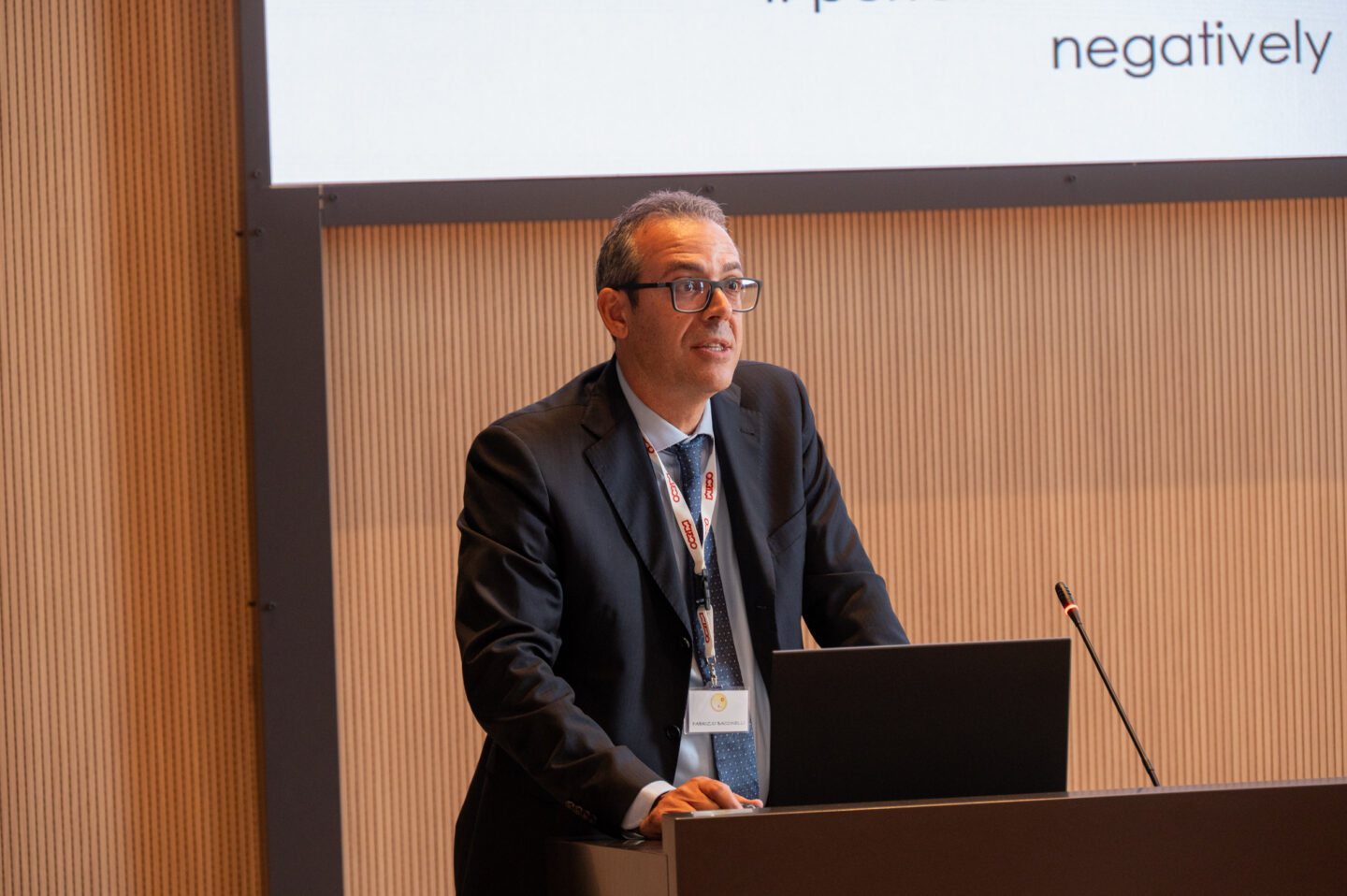
Fabrizio Baccinelli[8], brought the technical discussion to a close by looking at the transformations that have reshaped the industry in recent years, from market volatility and geopolitical tensions to rising energy and logistics costs and climate change.
Against this backdrop, efficiency takes on a broader meaning, closely connected to resilience and adaptability. Designing flexible plants and investing in automation, digitalization and training means preparing for increasingly complex and unpredictable scenarios.
Spigo makes his debut
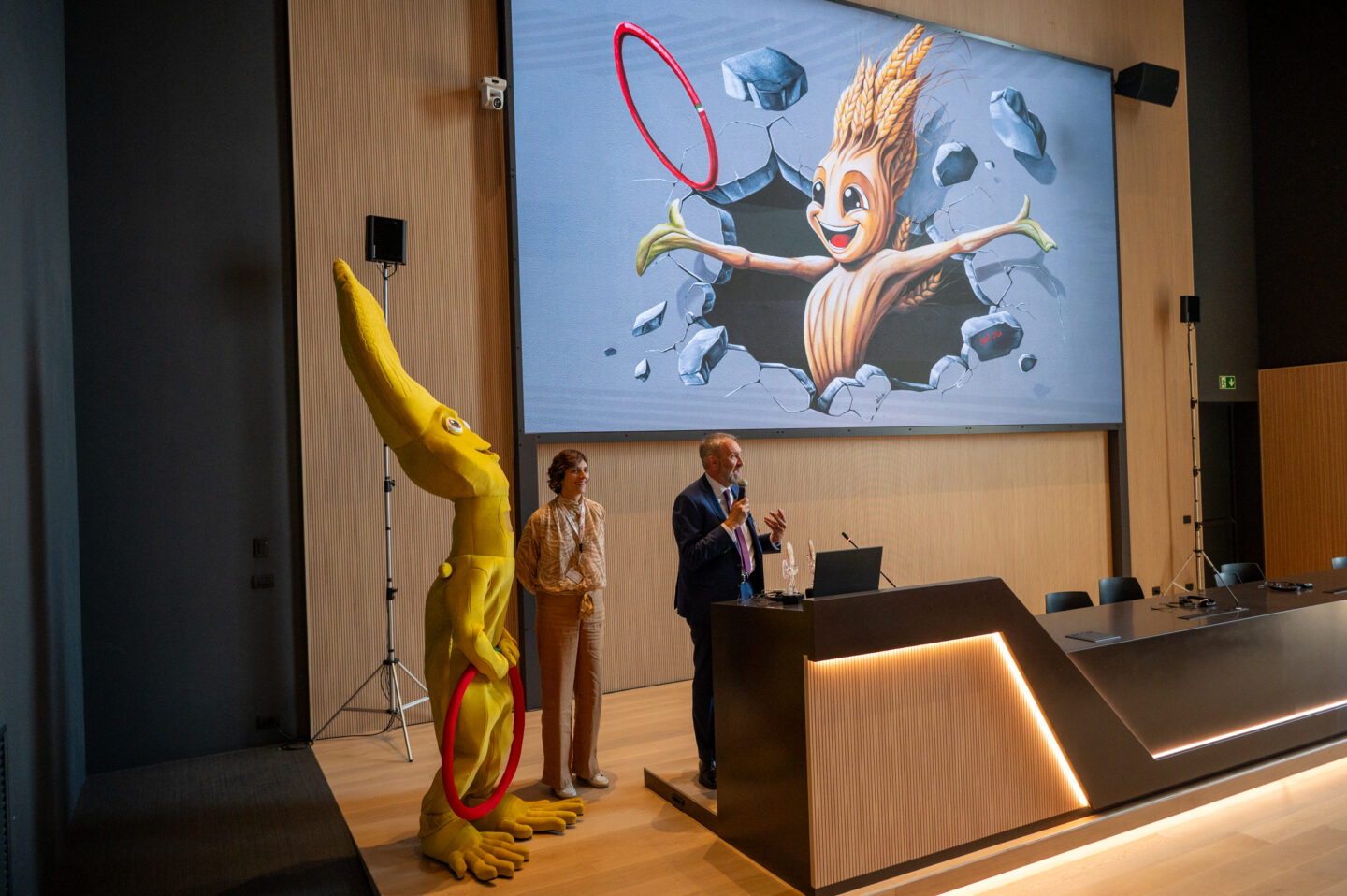
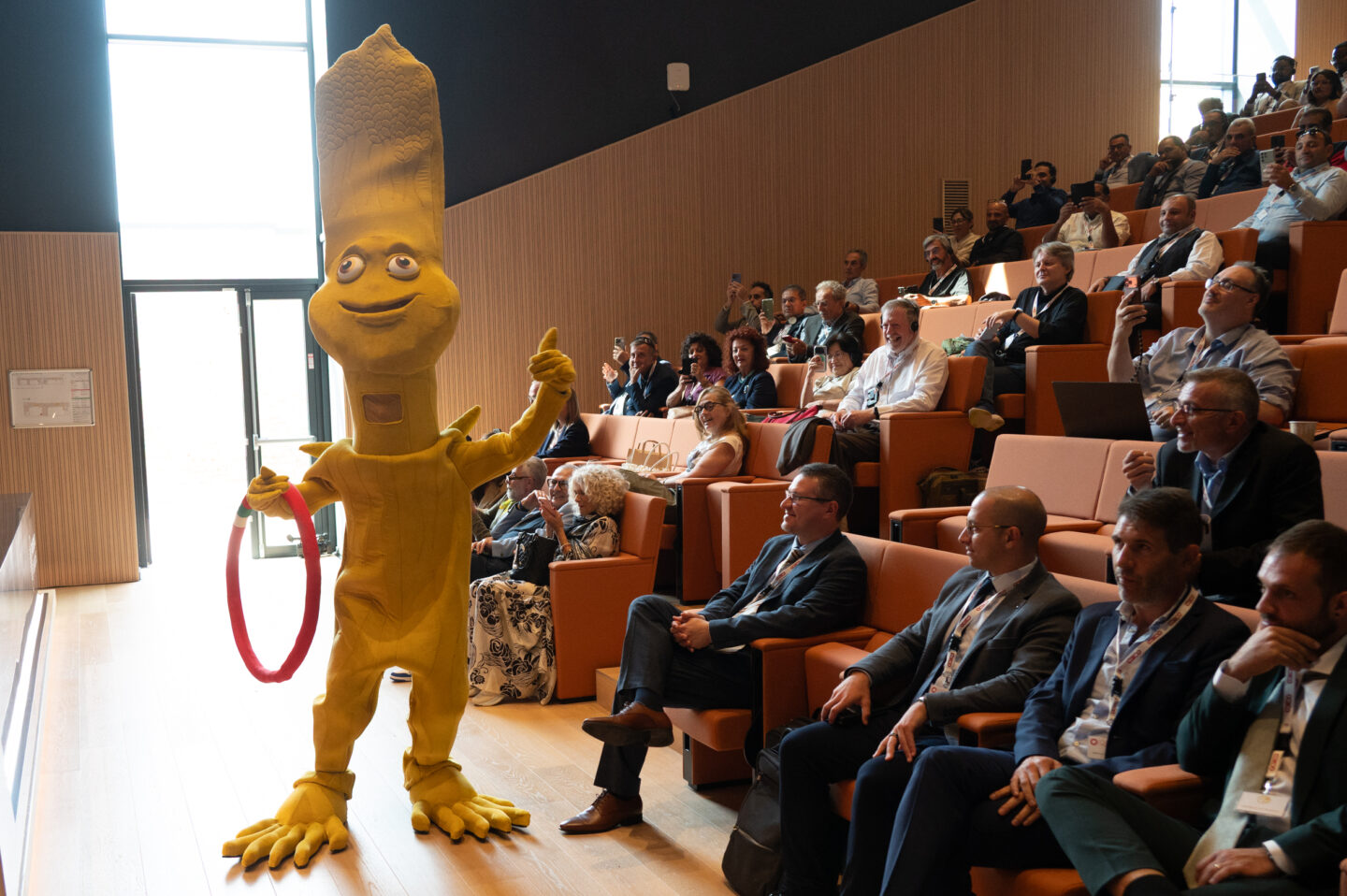
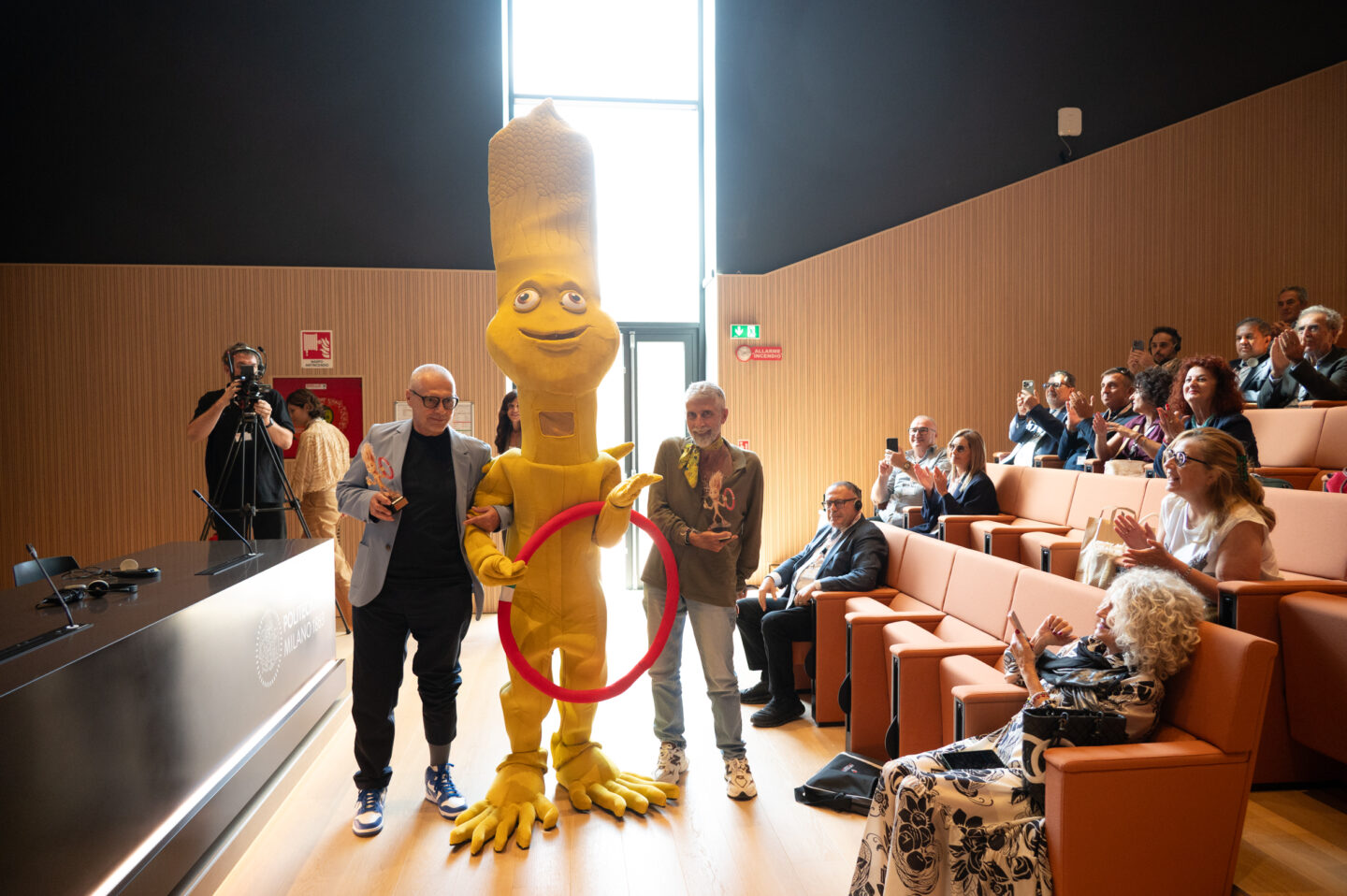
Following the conference and the discussion with the audience, attention turned to one of OCRIM’s latest communication initiatives: the official presentation of Spigo, the company’s new mascot.
“Through Spigo, we want to tell the story of our world in a simple, immediate and engaging way, bringing people, projects and milling culture closer together,” said Marta Latini[9].
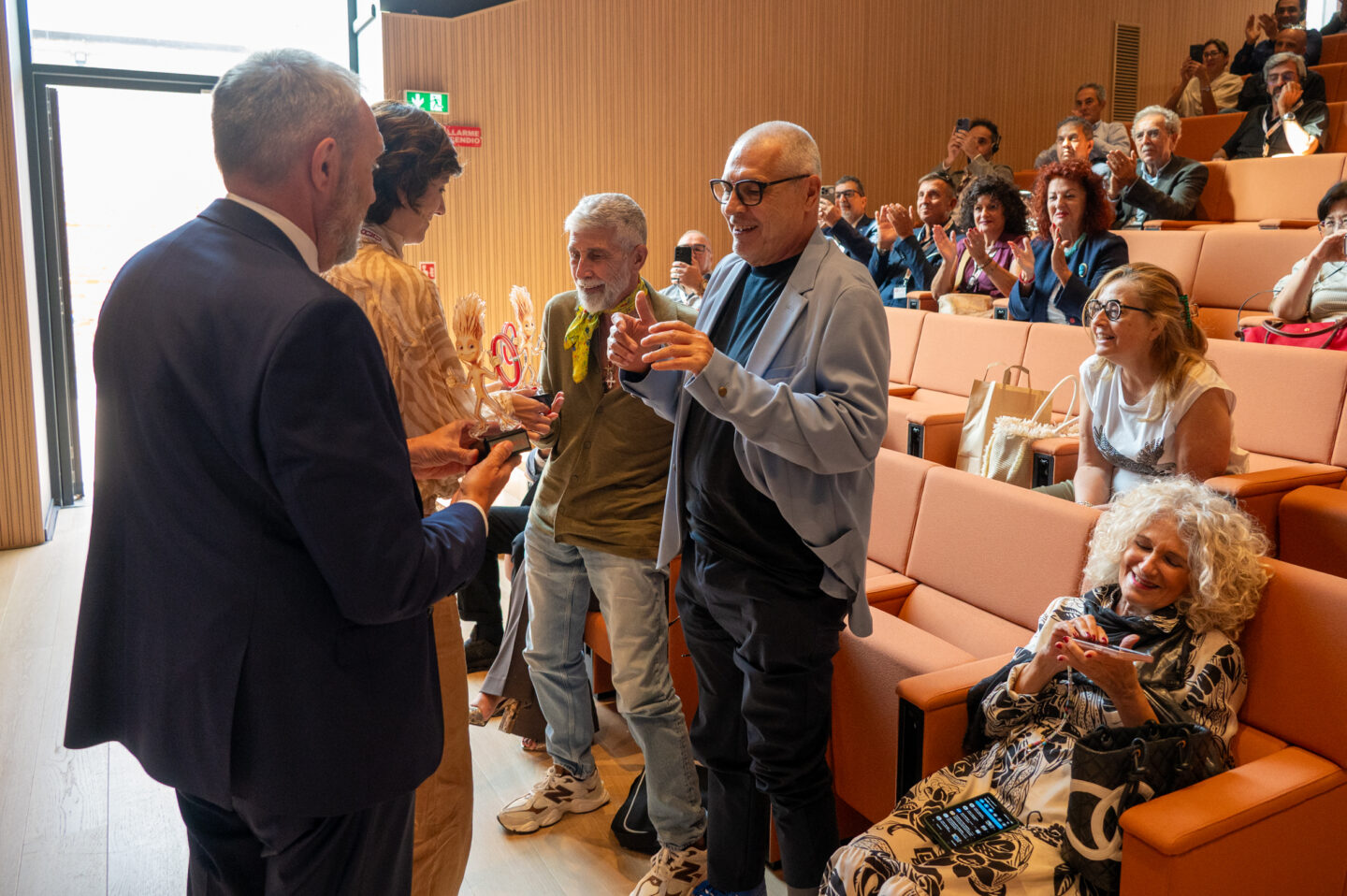
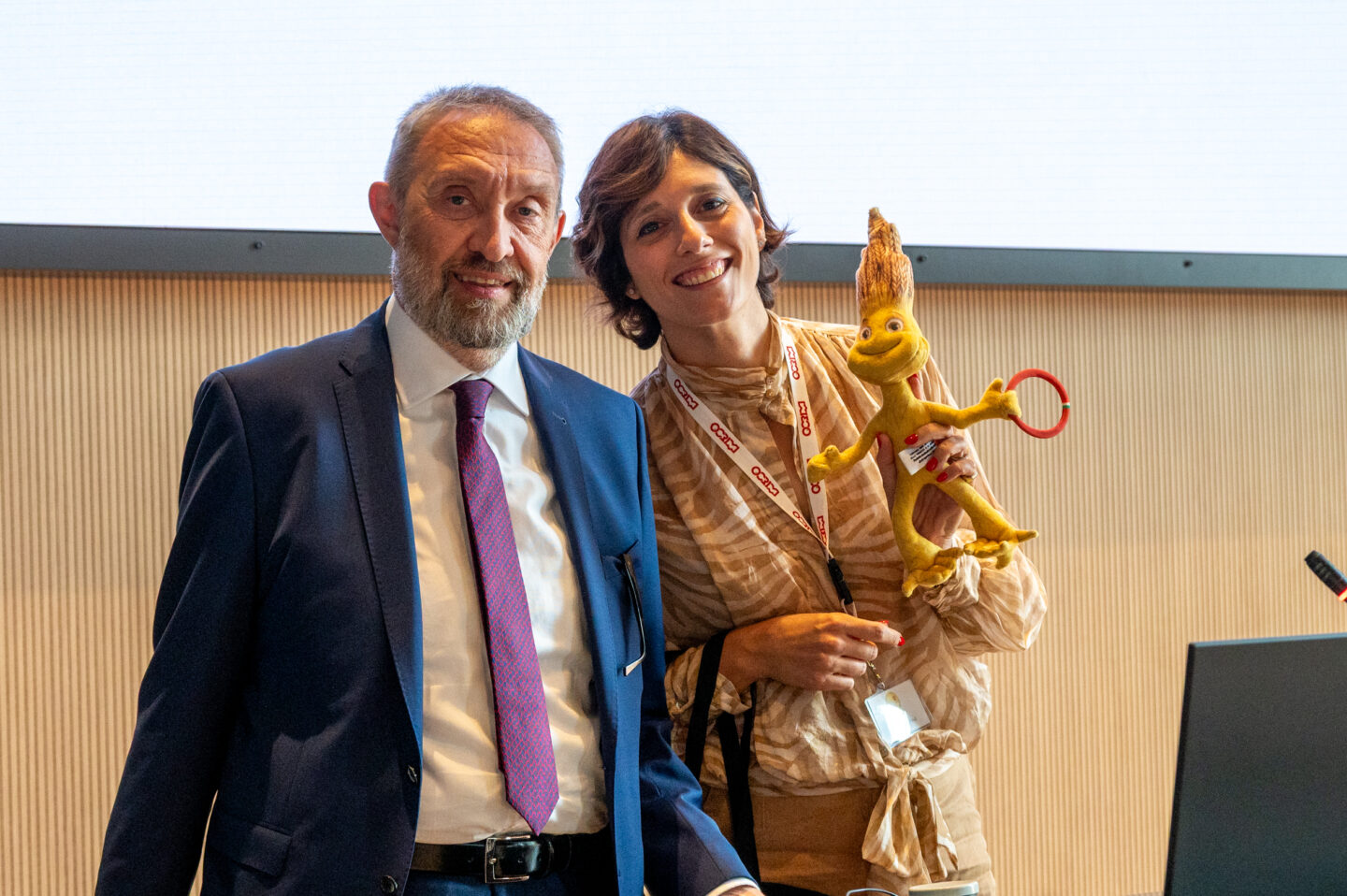
After the presentation video, Spigo made his live debut among the guests. We marked the occasion by presenting two “SpigOscar” statuettes to Sergio Antolini[10] and Alberto Antolini[11], a symbolic moment that officially opened this new chapter.
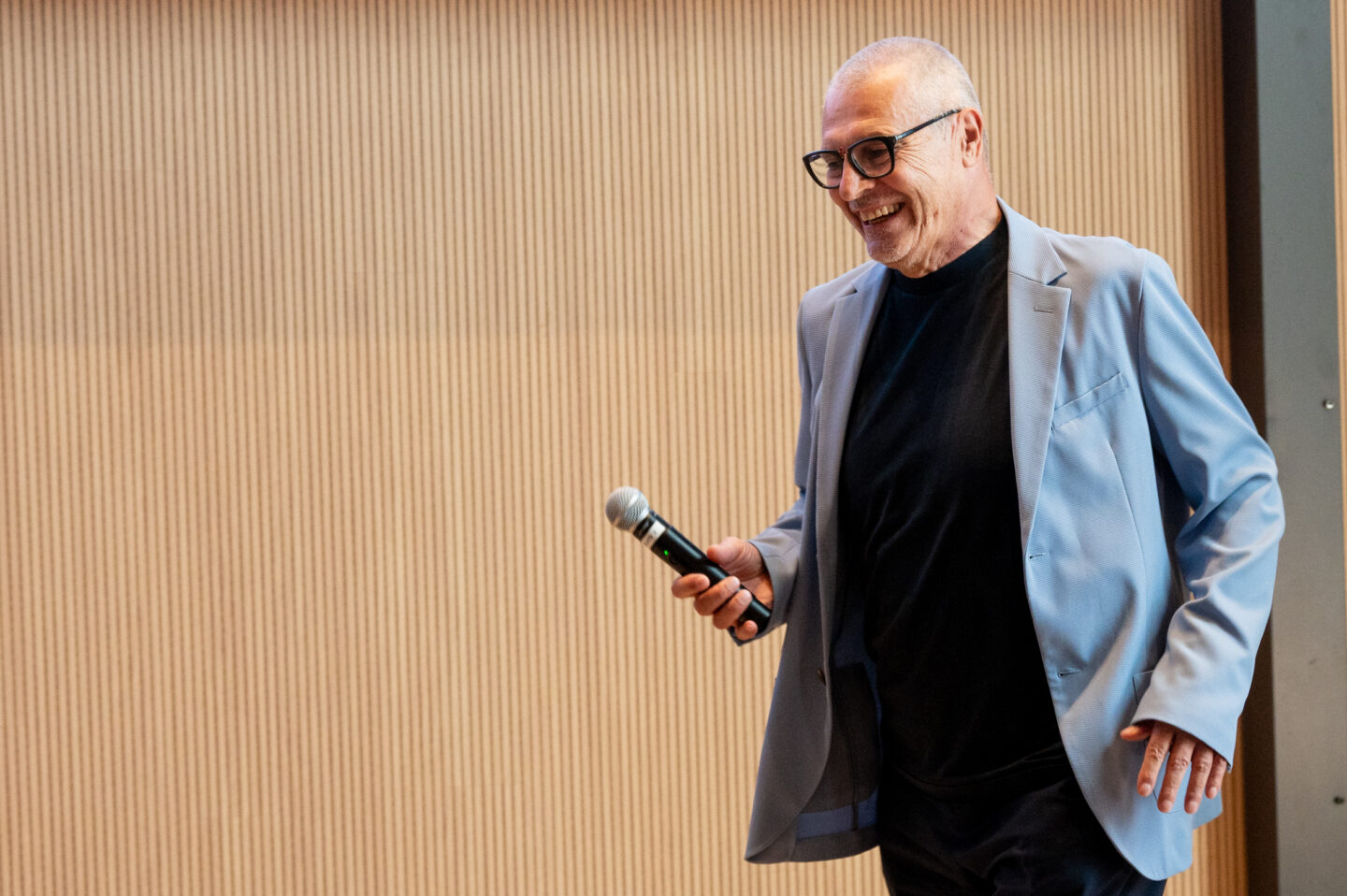
The conference closed with remarks from Alberto Antolini and a reflection on the value of people, teamwork and the ability to turn ideas into reality, day after day. It was a message that resonated throughout the event, reminding us once again that behind every project, every plant and every innovation are skills, passion and people.
This idea was further reinforced by a video dedicated to the transformation of the Via Milano site, showing how the future does not simply come from replacing what already exists, but from recognizing the value of the past and giving it new purpose. Like a phoenix rising again, the Via Milano project has become a symbol of renewal, bringing together memory and innovation, continuity and change, preserving the past while building the future.
A view from above and an evening together
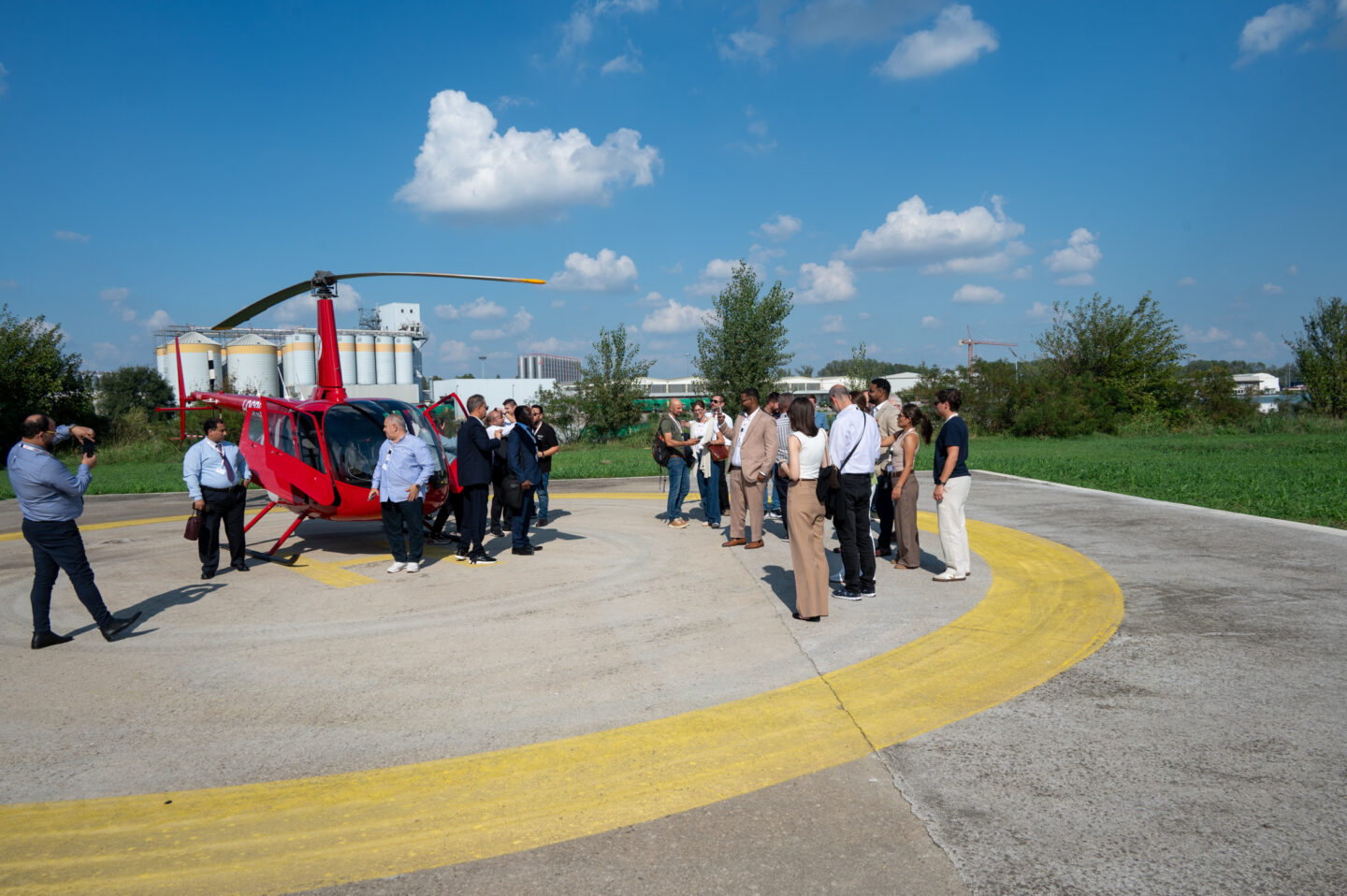
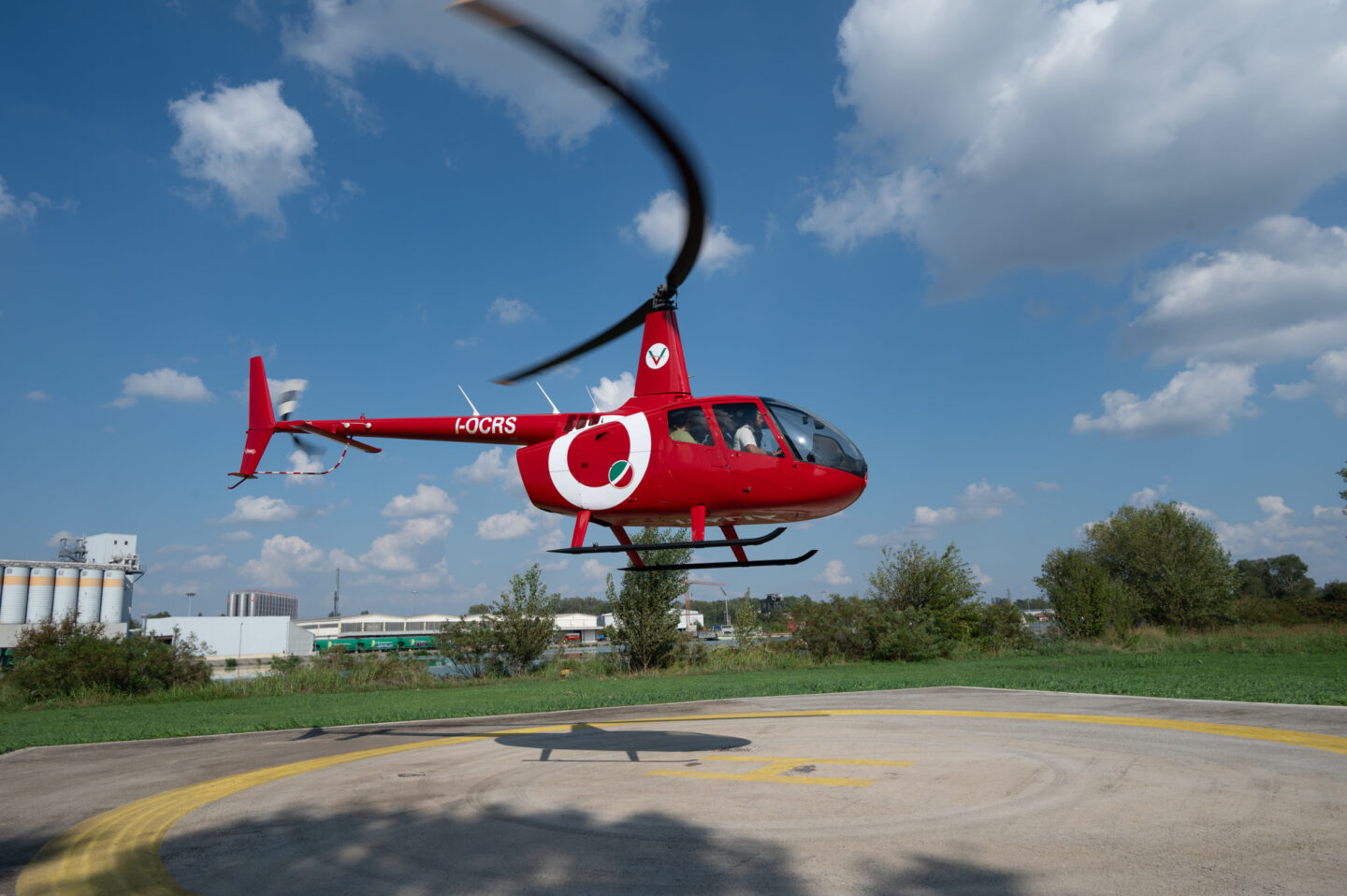
The afternoon continued with a helicopter flight over Ocrim’s three operating sites and the Milling Hub, giving guests a new perspective on the company’s production facilities.
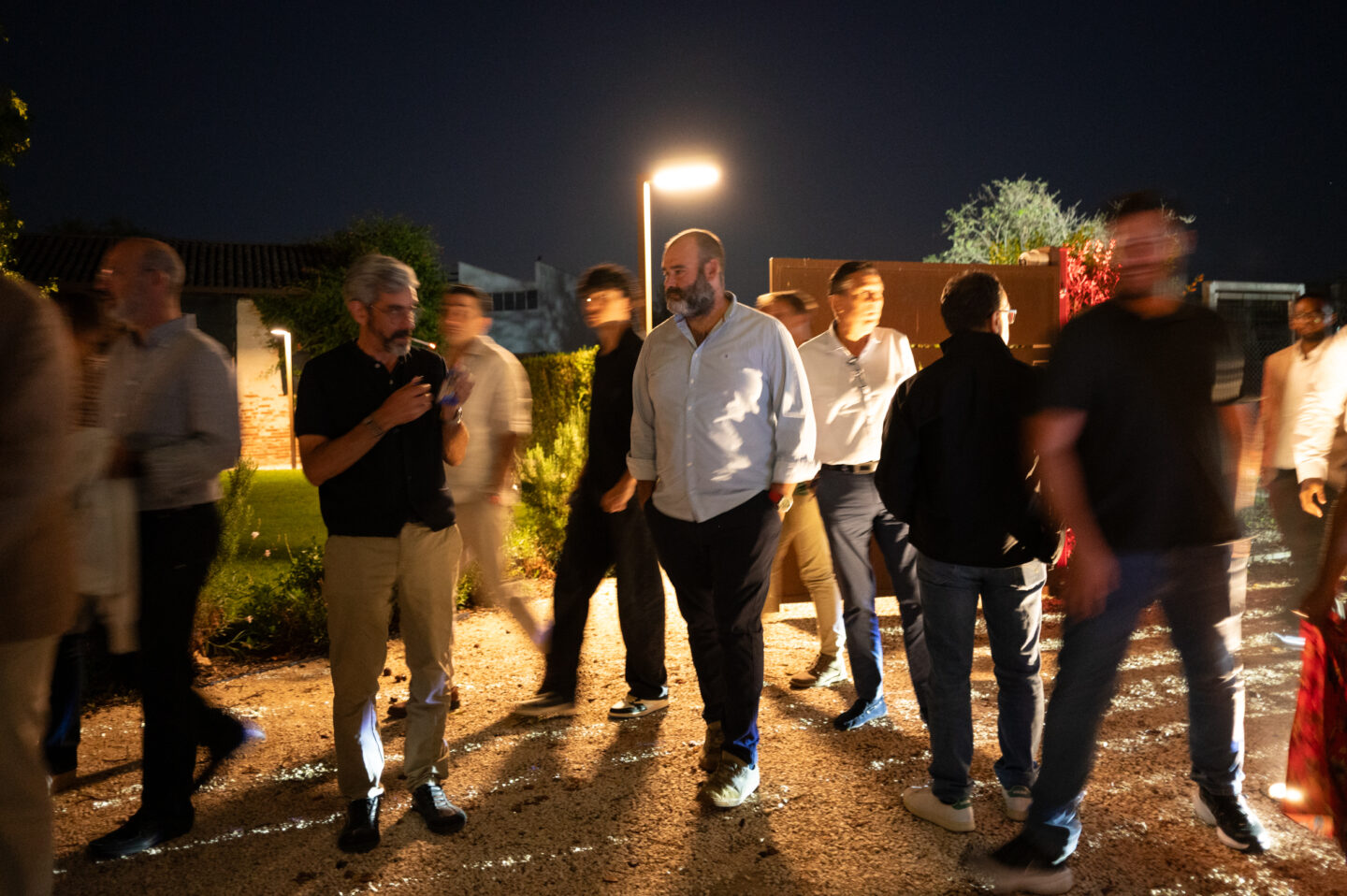
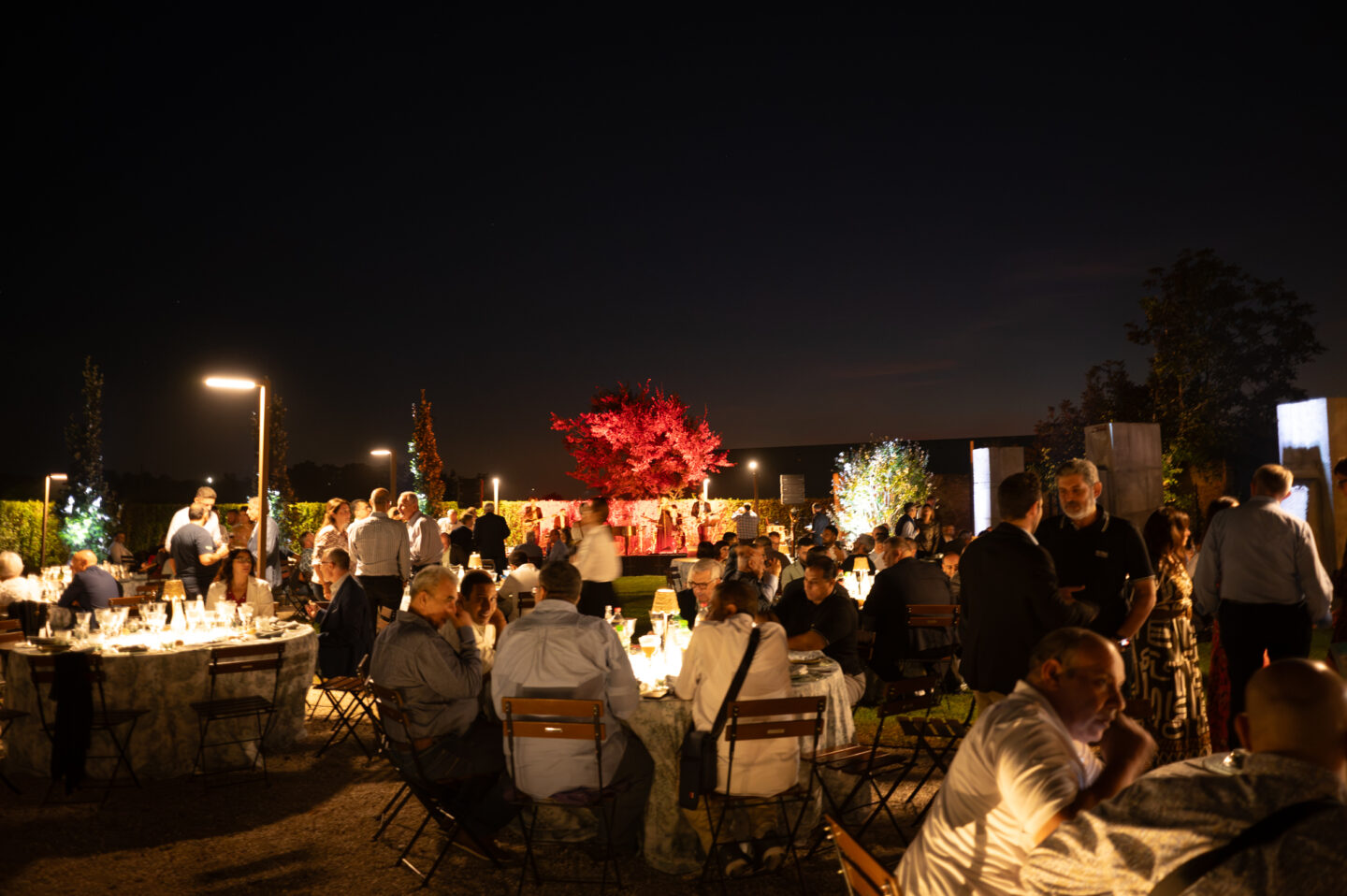
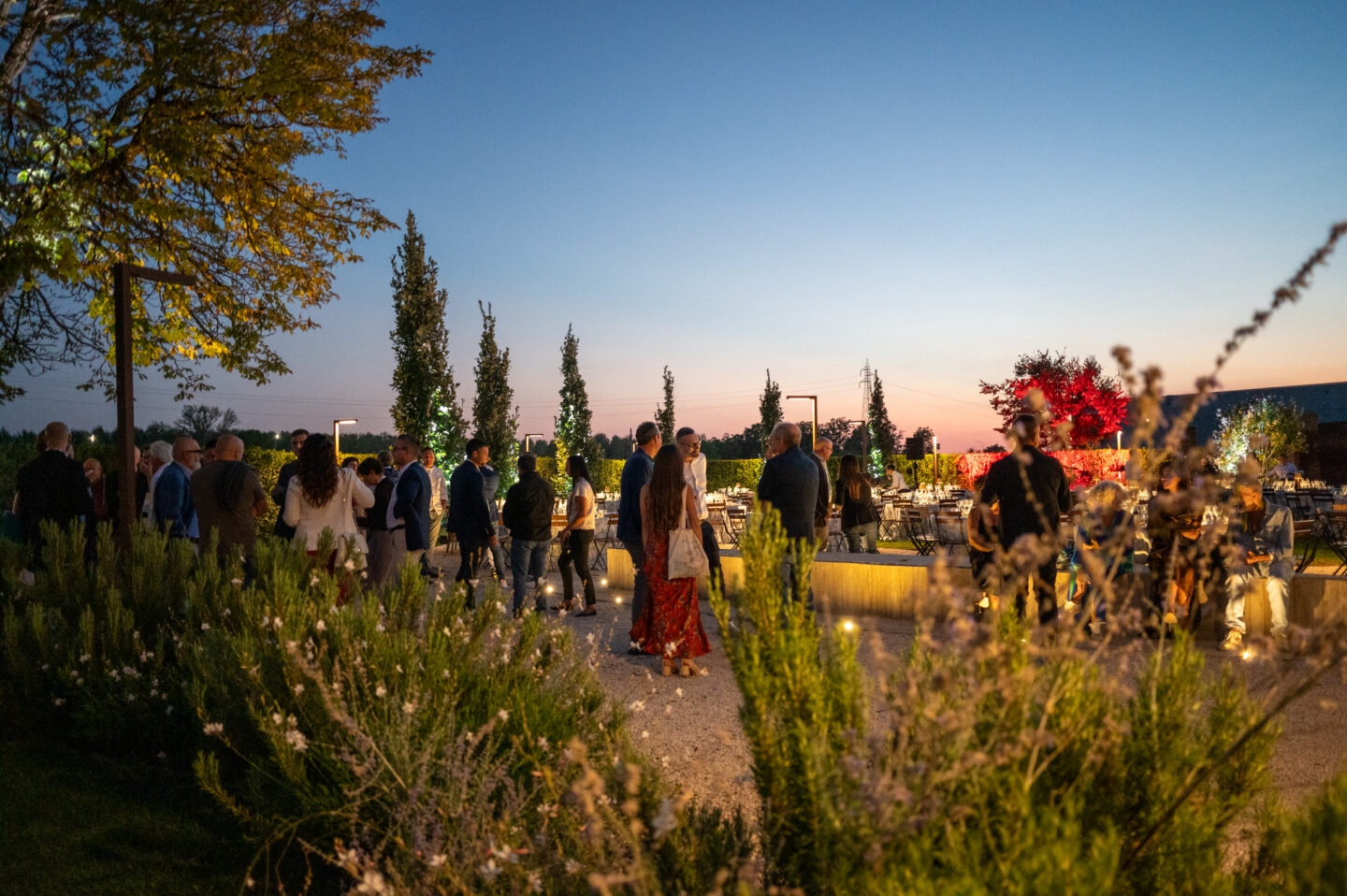
The day then came to a close at the O|FarmHouse, where customers, partners and colleagues gathered to share the final moments of the 15th edition of Wheat, flour and….
Dinner itself became another way of telling part of our story, bringing to the table the flavours and traditions of the three Italian regions where we work alongside our process partners: Lombardy, Veneto and Romagna. The menu offered a journey through distinct regional identities, brought together by a shared culture of craftsmanship and collaboration.
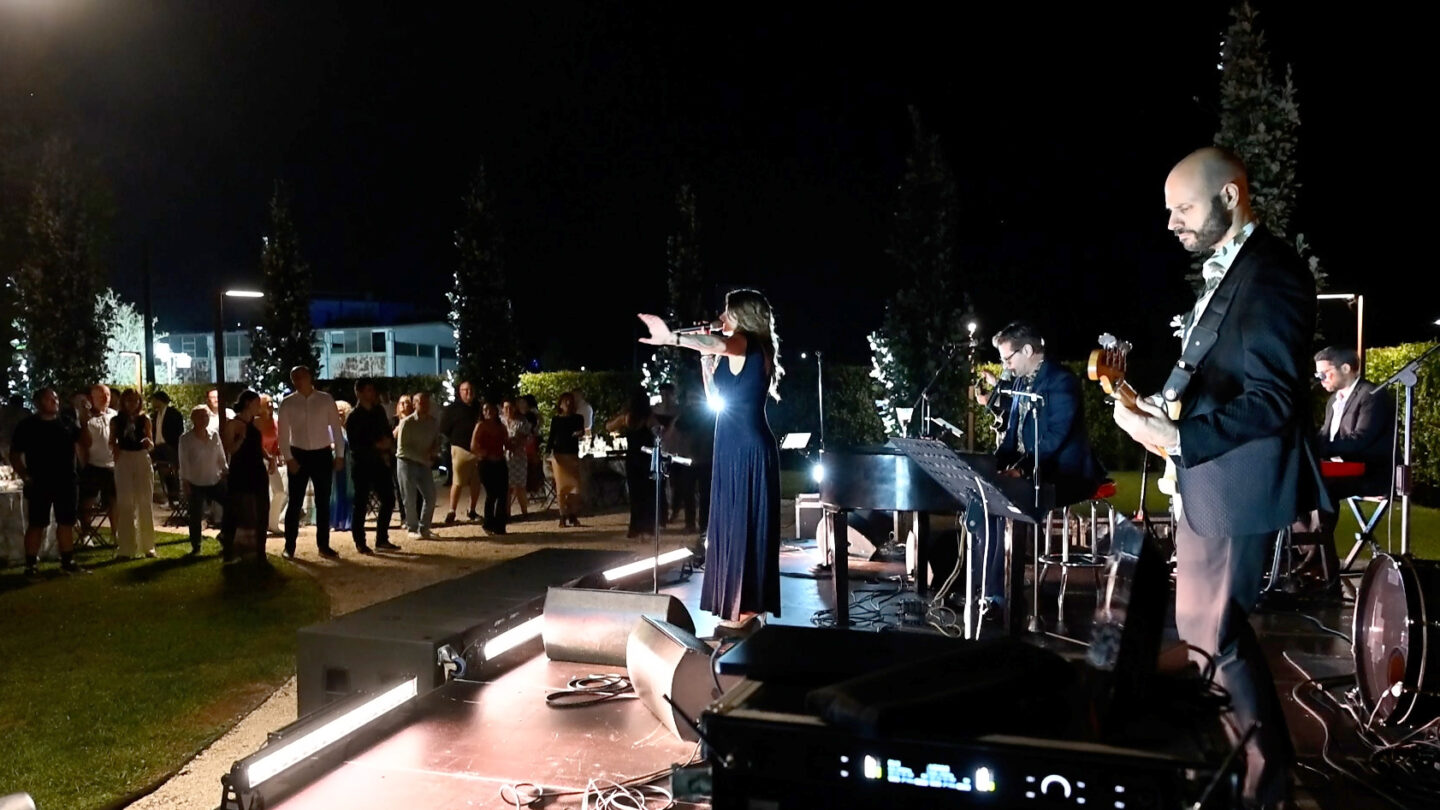
The evening continued with performances by Stefano Signoroni and Giulia Dagani, whose repertoire crossed generations and borders, combining well-known Italian classics with international hits that have left their mark on music history. The music soon brought many guests to the dance floor, turning the final hours of the event into a genuine moment of shared enjoyment.
A memorable close to the 15th edition of Wheat, flour and…: an experience that brought together technical expertise, culture, innovation and human connections, creating opportunities for dialogue and exchange among people from different countries, cultures and backgrounds, all united by the same passion for the milling industry.
[1] Ocrim Commercial, Marketing & Communication Director
[2] Deputy Mayor and City Councillor of Cremona
[3] Professor, Department of Management, Economics and Industrial Engineering, Politecnico di Milano
[4] Ocrim Milling Technologist
[5] Ocrim R&D Manager
[6] Ocrim Automation Manager
[7] Ocrim Pallettizing Division Manager
[8] Ocrim Sales Director
[9] Ocrim Marketing Dept.
[10] Ocrim President
[11] Ocrim CEO

