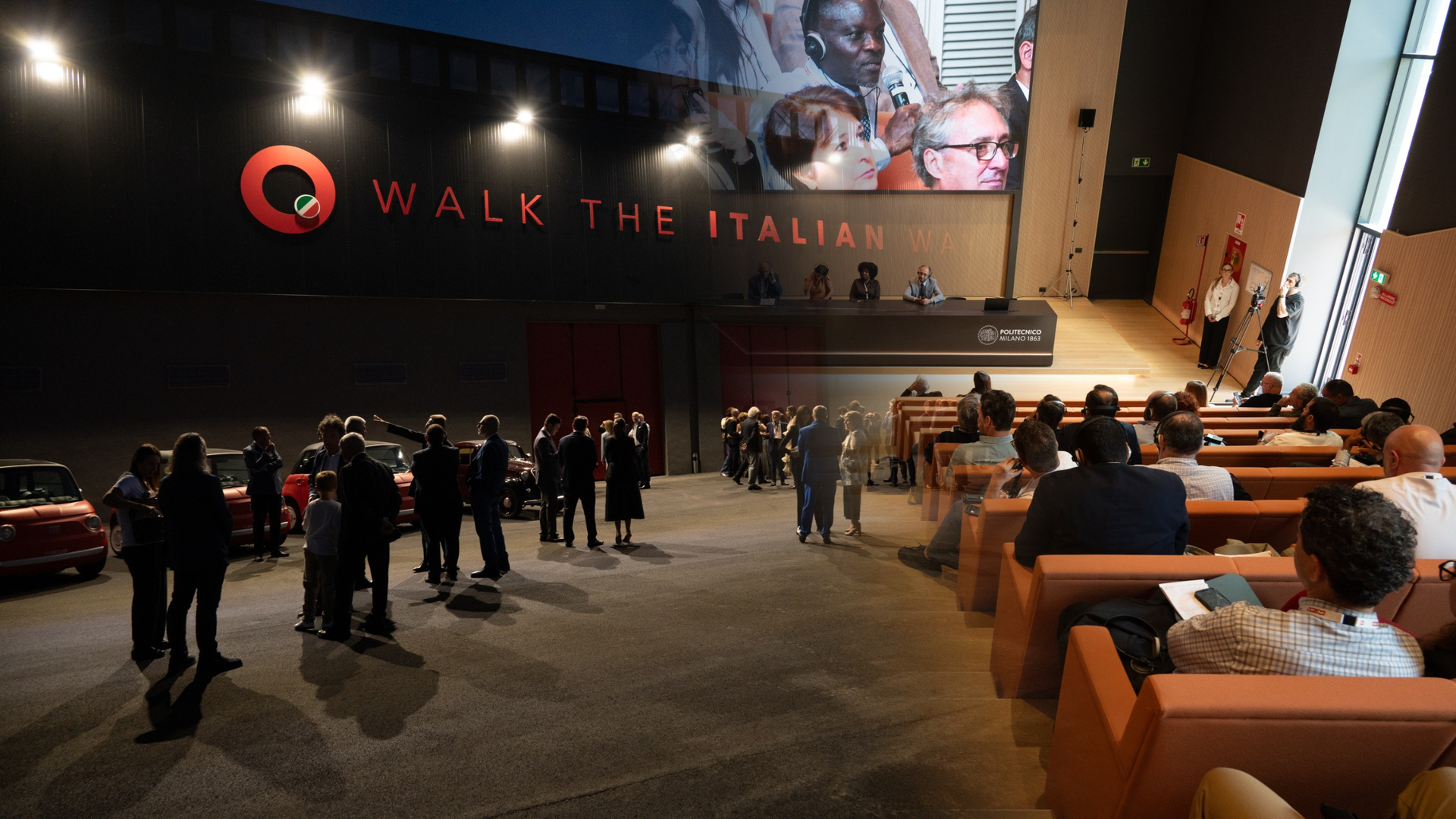
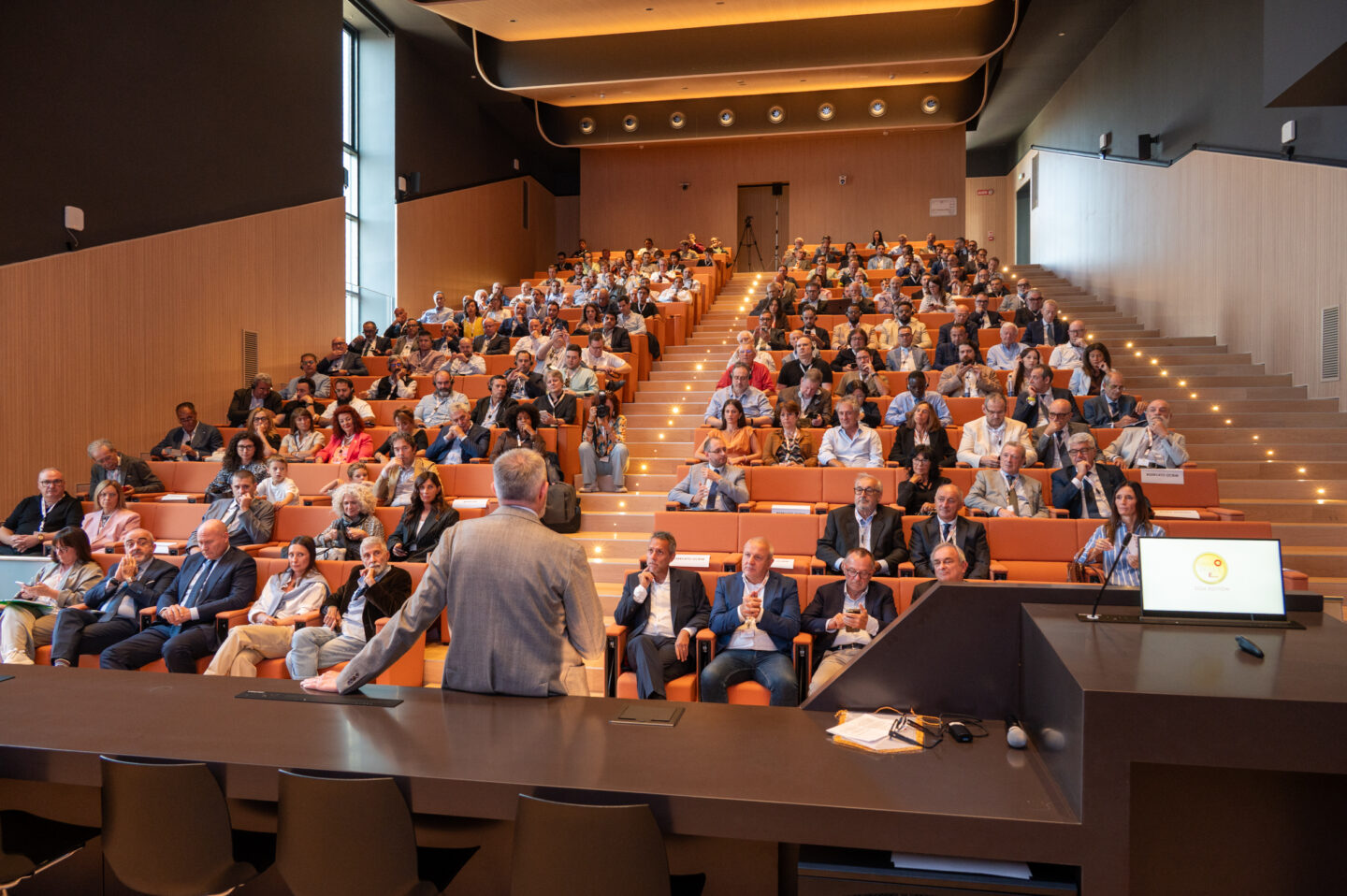
More than 250 people from over 20 countries. Different languages, cultures, habits and traditions coming together and, for a few days, sharing the same places, the same topics and the same experience. This was the scene in Cremona on Friday, September 18, as another day of “Wheat, flour and…”, Ocrim’s international event, began.
A true melting pot that this year found its setting in the city of Cremona and, throughout Friday, moved across different places and dimensions: from scientific knowledge to food culture, from agriculture to milling technology, all the way to industry, the local community and a new chapter in Ocrim’s history.
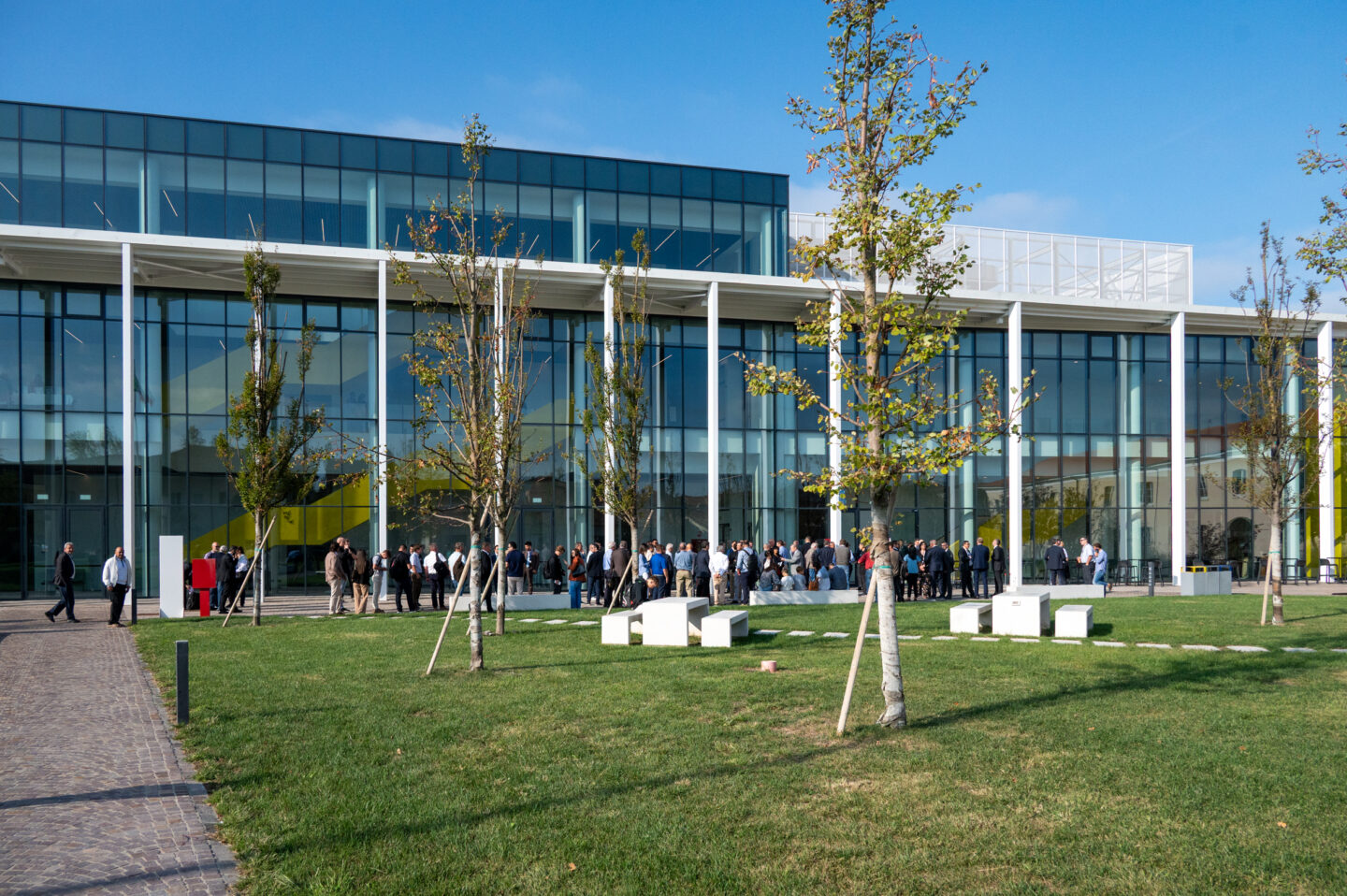
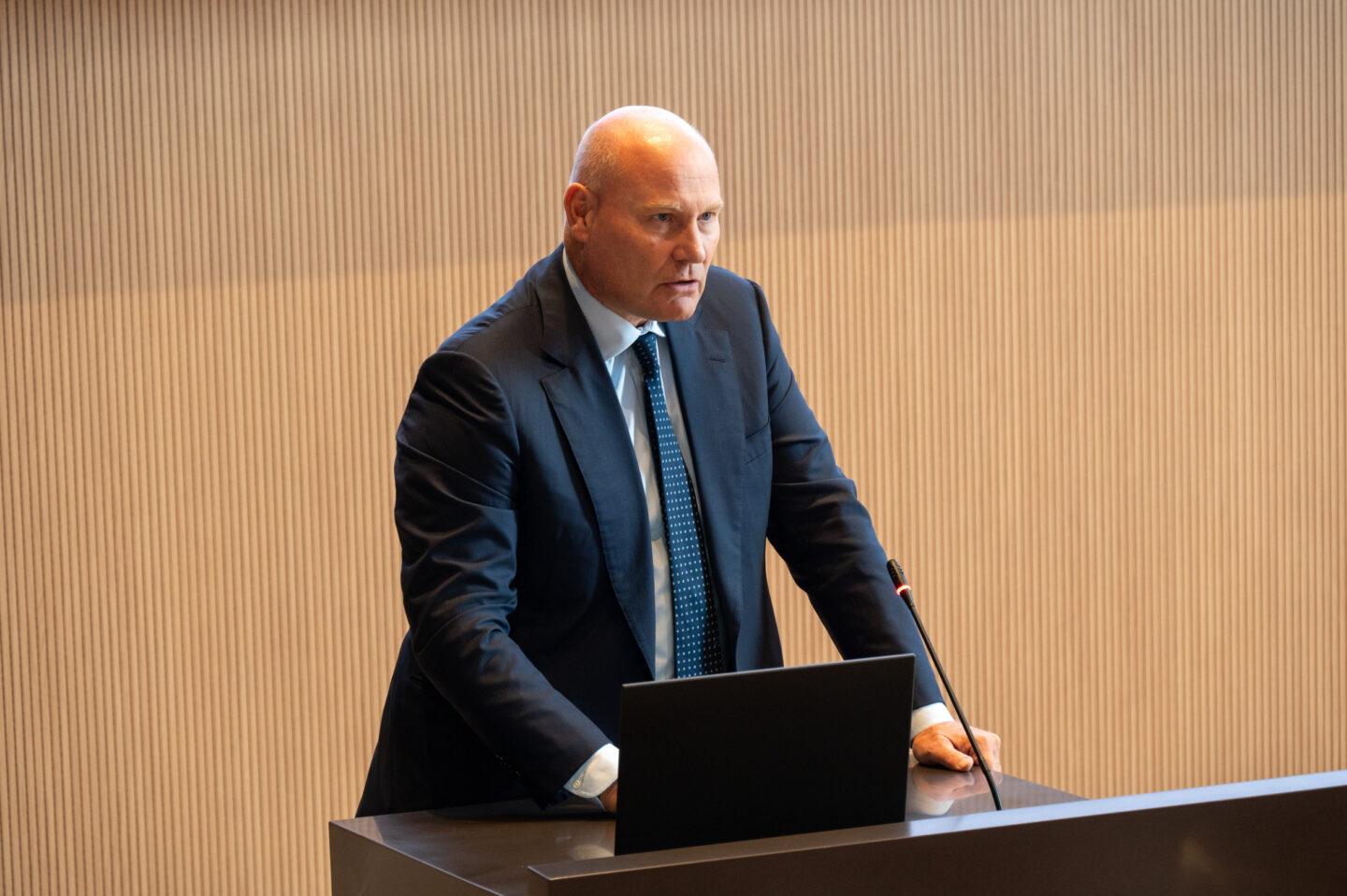
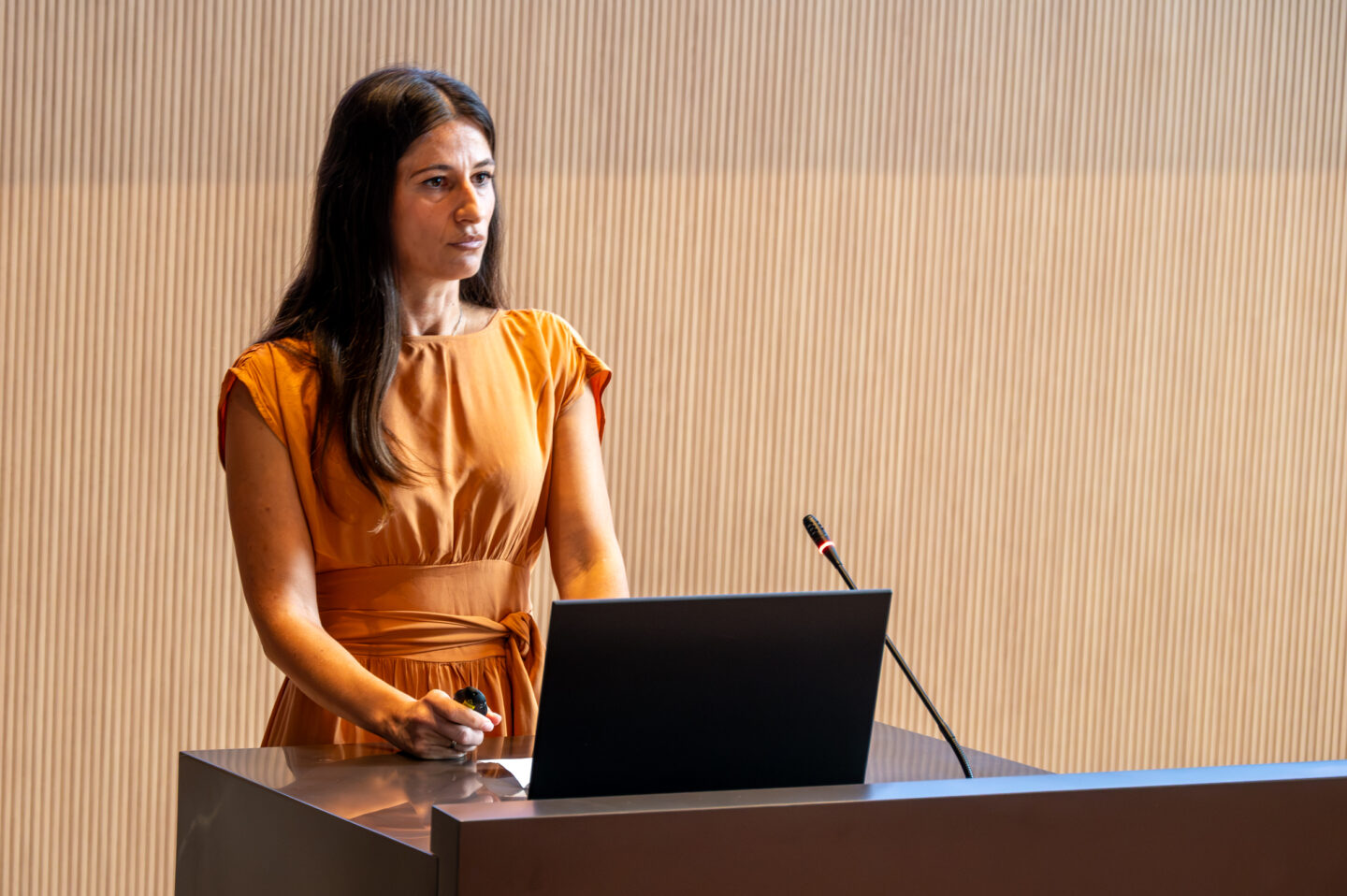
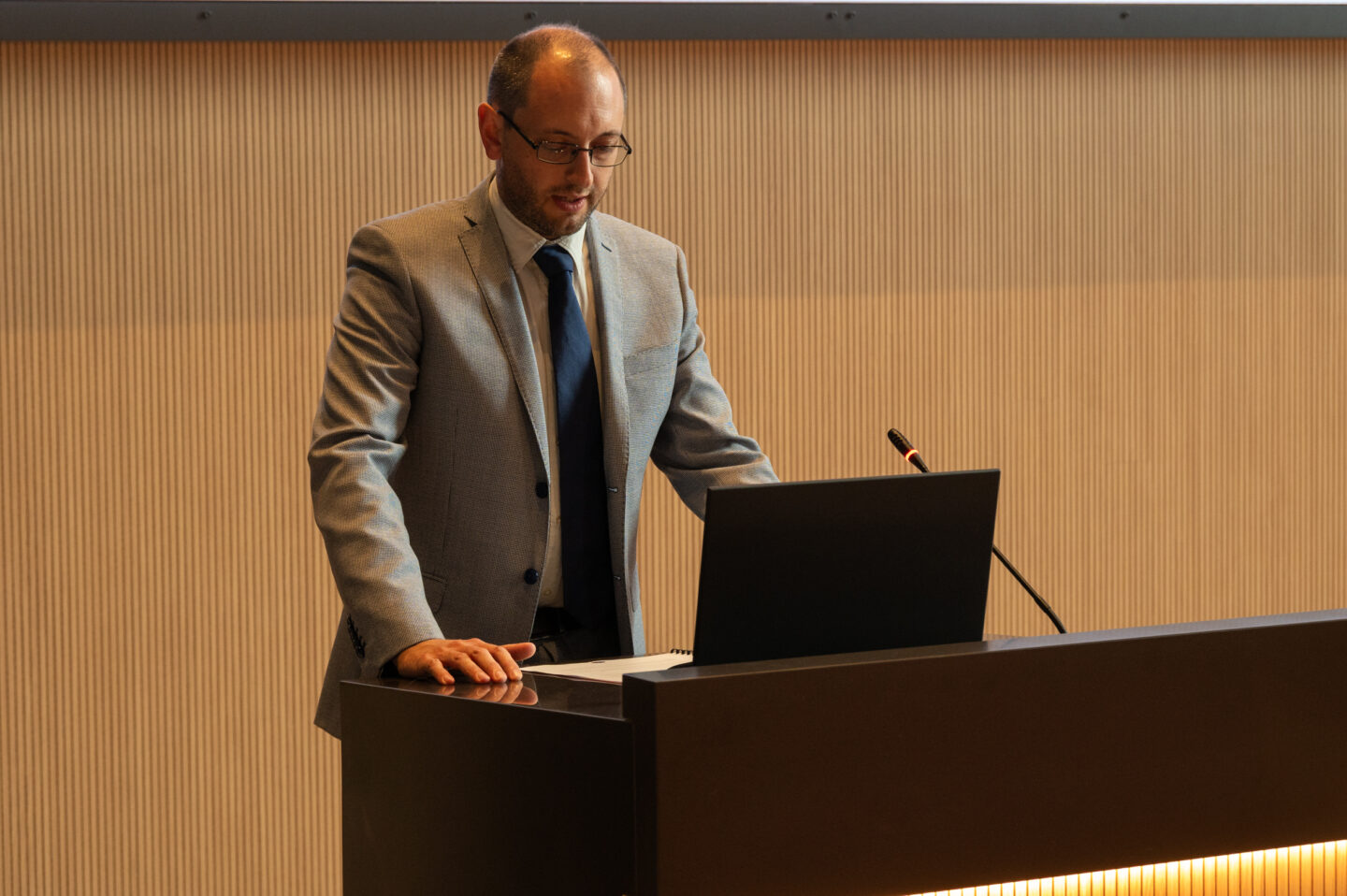
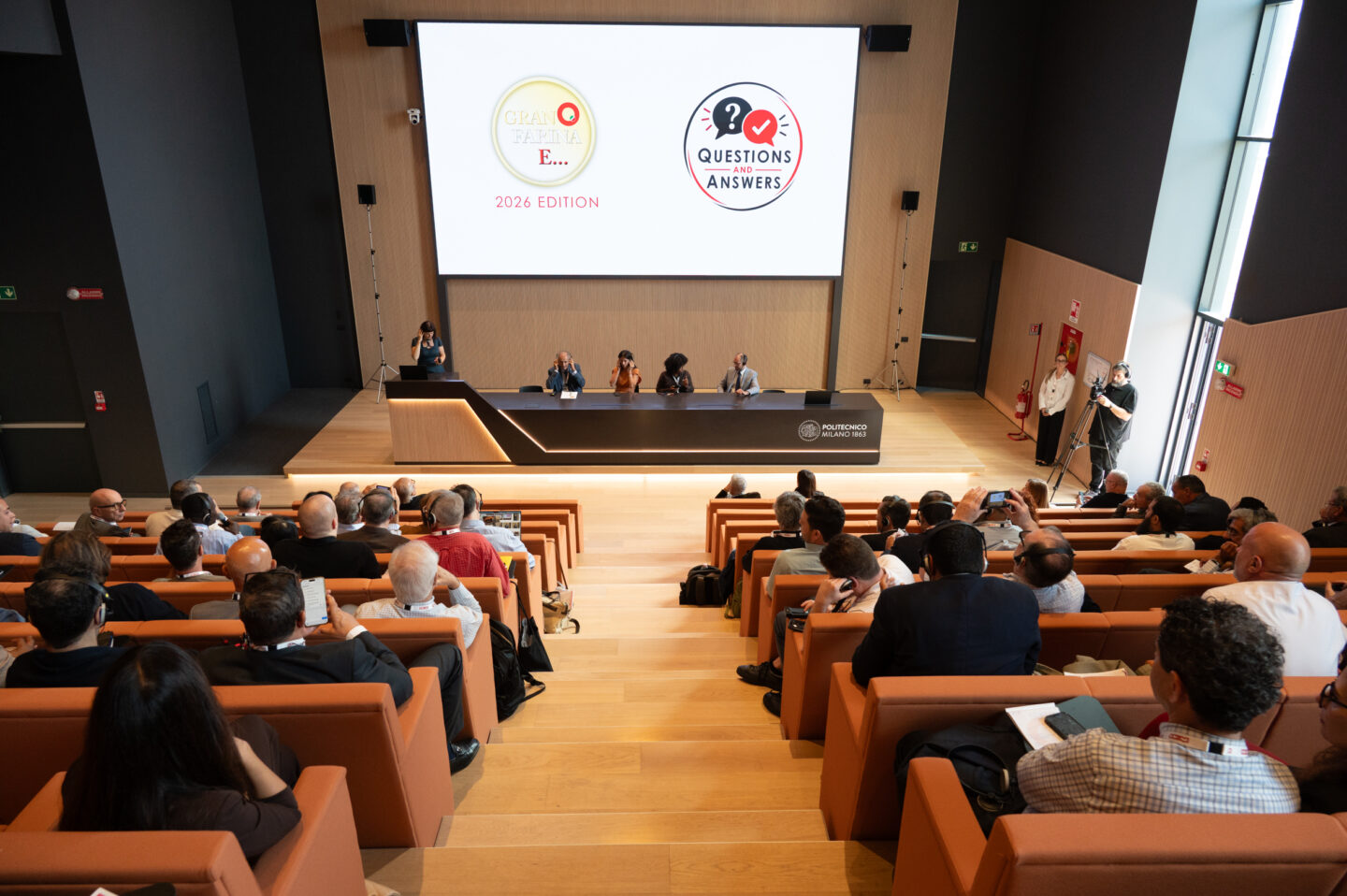
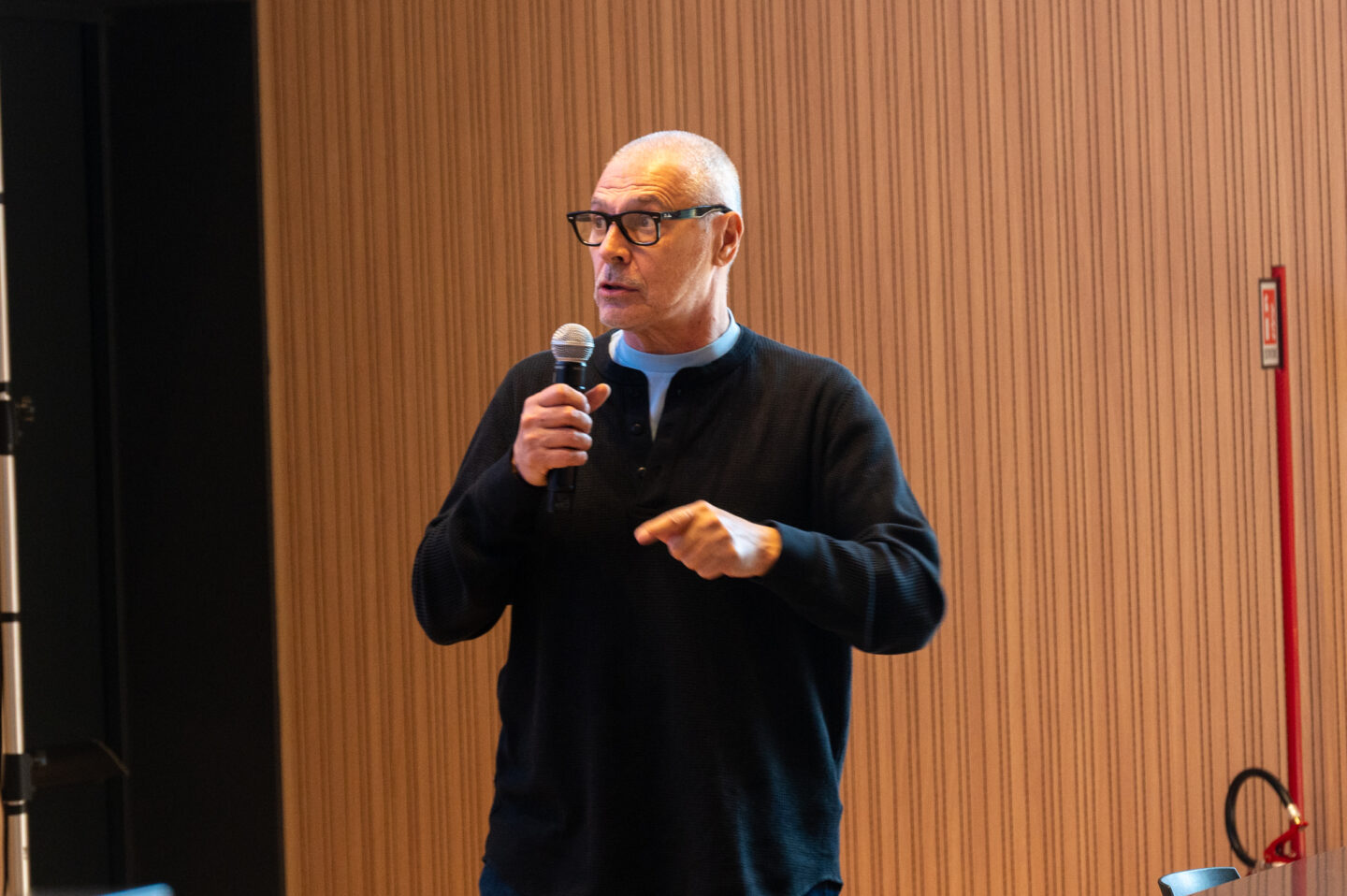
The morning began at the Cremona Campus of Politecnico di Milano, where Stefano Mazzini, Ocrim Commercial, Marketing & Communications Director, opened the proceedings before giving the floor to Ocrim CEO Alberto Antolini.
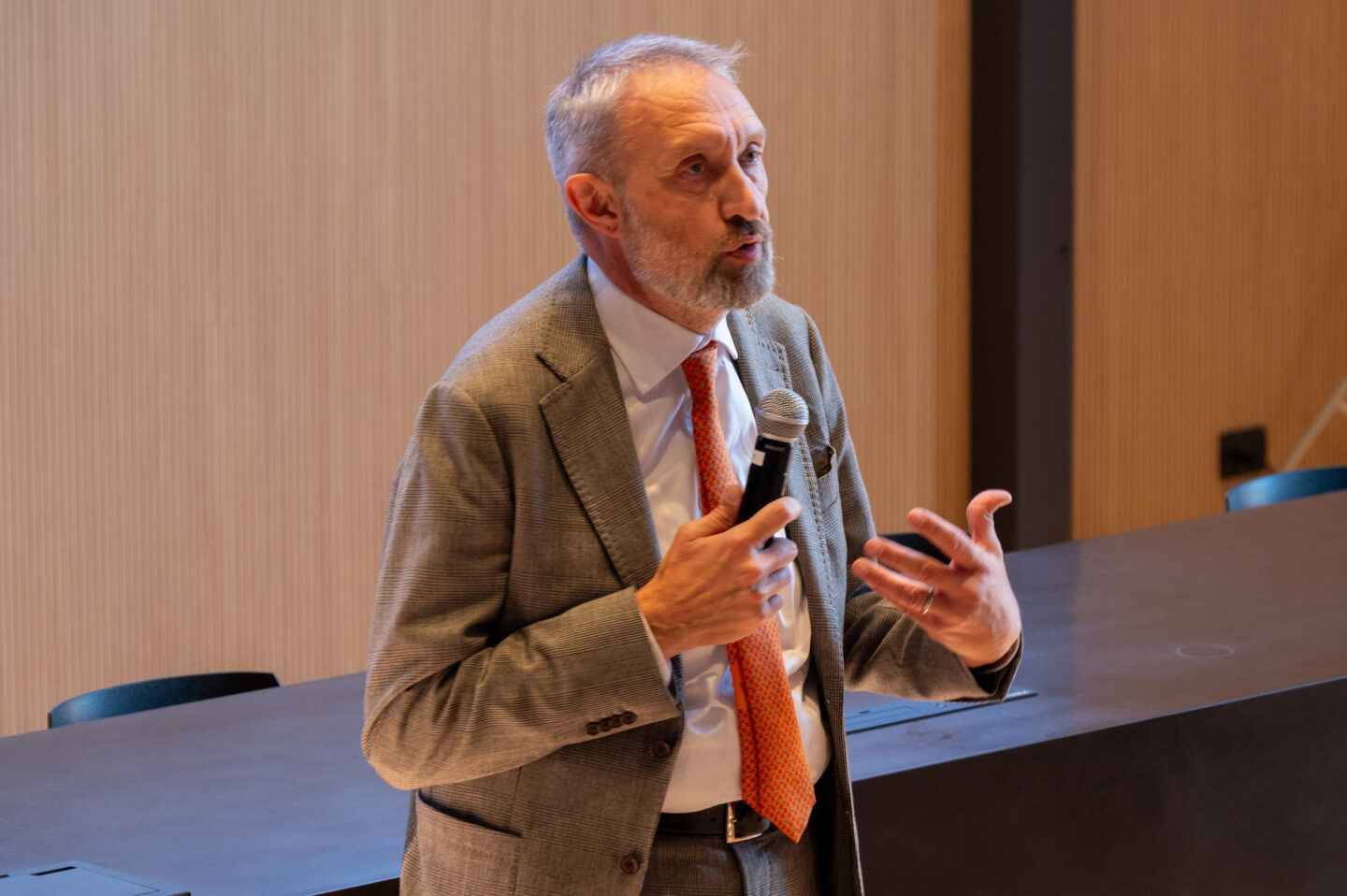
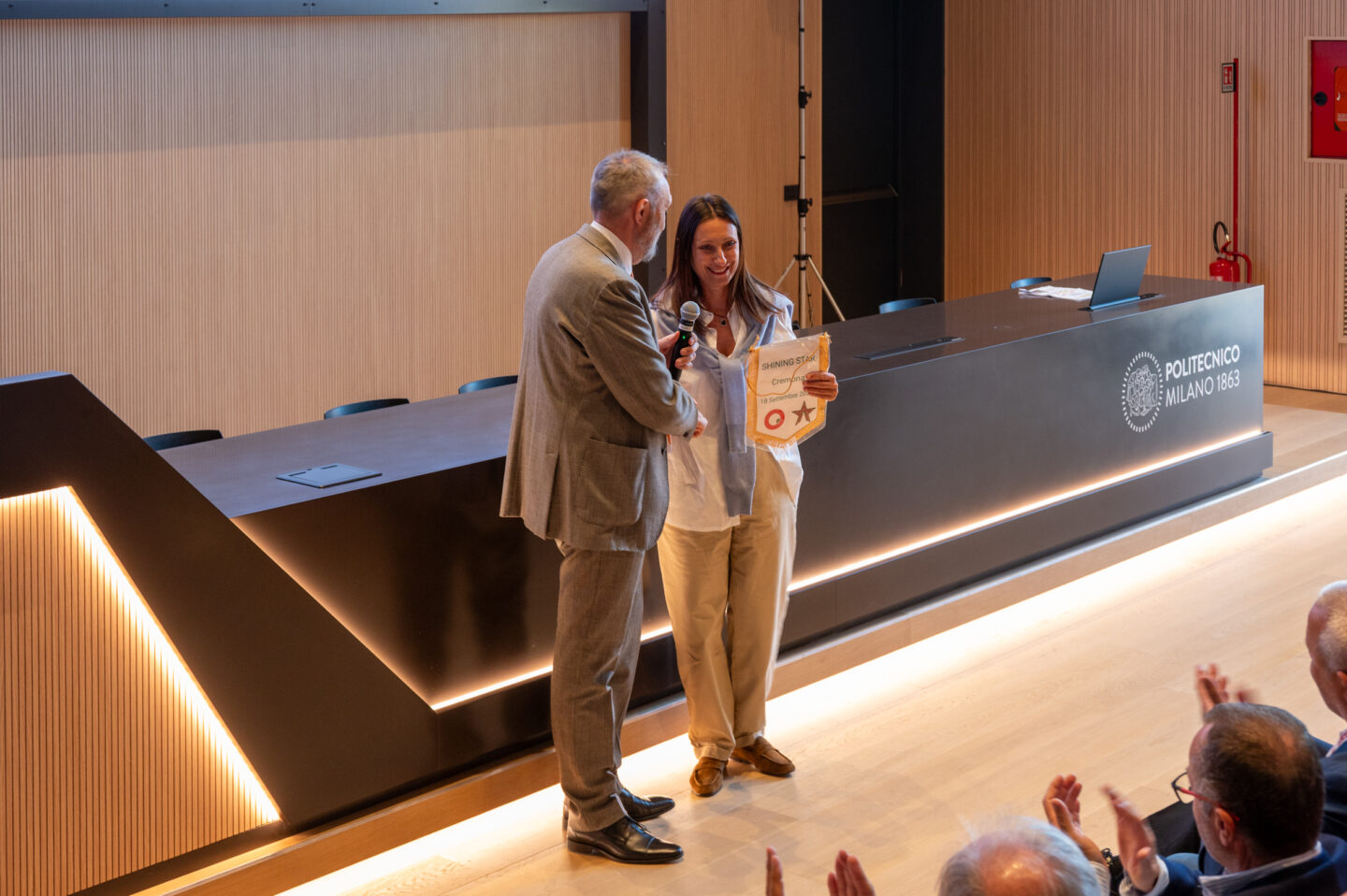
It was Antolini who introduced a word that might seem somewhat unusual in the vocabulary of a company: “small”.
In an industrial context where attention naturally tends to focus on large plants and the most visible results, his speech chose to look elsewhere: at the wealth of expertise behind every Ocrim project. Specialized processes, knowledge built over time and technical skills that the company considers an integral part of the way it manufactures and that, for this very reason, it has chosen to continue managing directly.
In Alberto Antolini’s account, “small” thus became a key to understanding the less visible side of production: processes that require experience, precision and, in some cases, solutions developed to meet highly specific needs. This manufacturing heritage continues to thrive at the SACMS facility in San Marino, where essential components for Ocrim plants are produced. Far from being secondary, this dimension is an integral part of a production system in which every element contributes to the quality of the final result.
His speech also highlighted a clear industrial choice: to retain strategic expertise and processes in-house rather than outsourcing them entirely. Over the years, this decision has enabled the company to maintain a direct connection with the technical and manufacturing know-how involved in building machinery and plants.
Ultimately, this perspective invites us to change our scale of observation. Behind a large plant are details, processes, people and specialized skills that rarely take center stage, yet all contribute to its overall value.
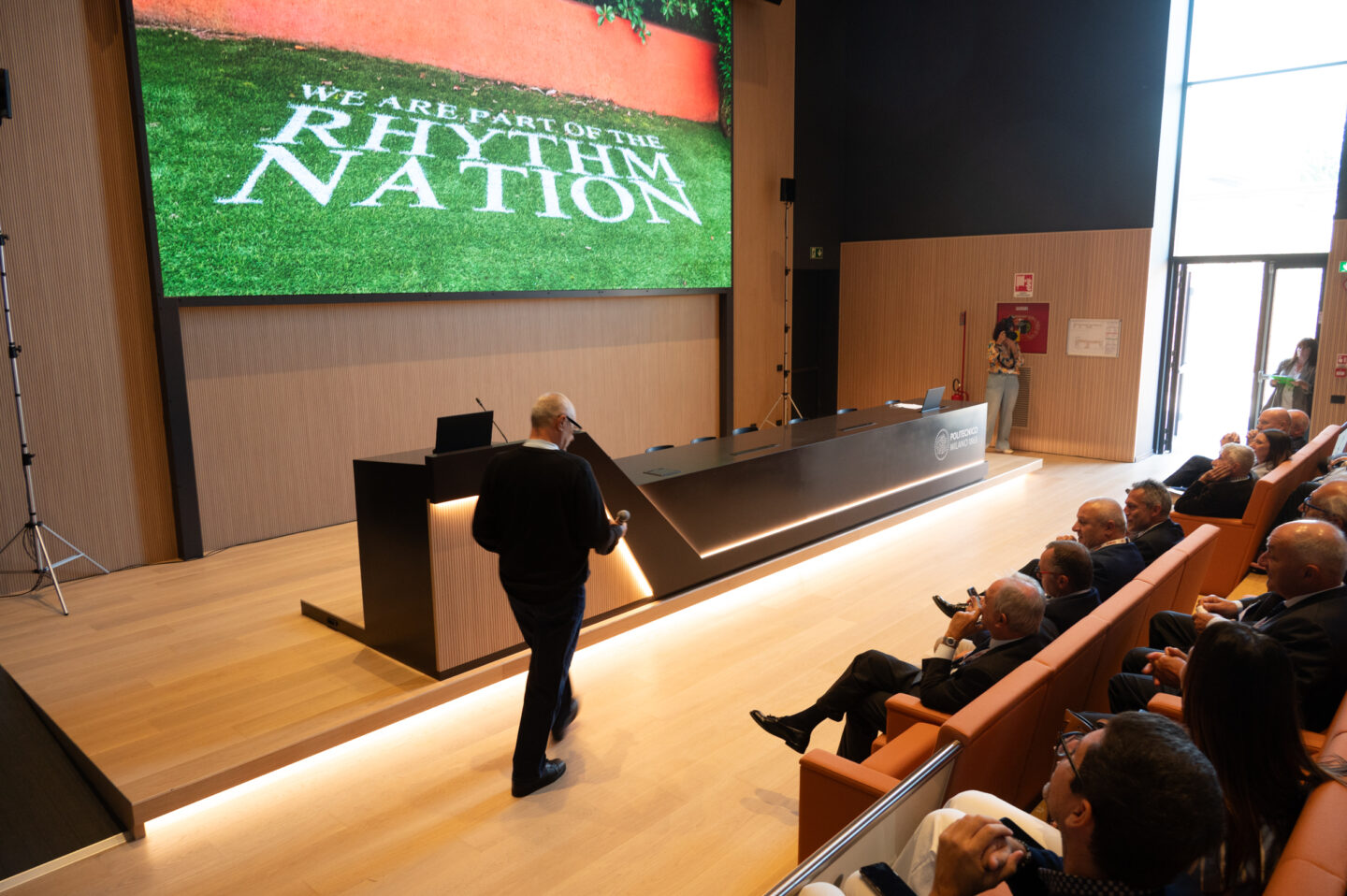
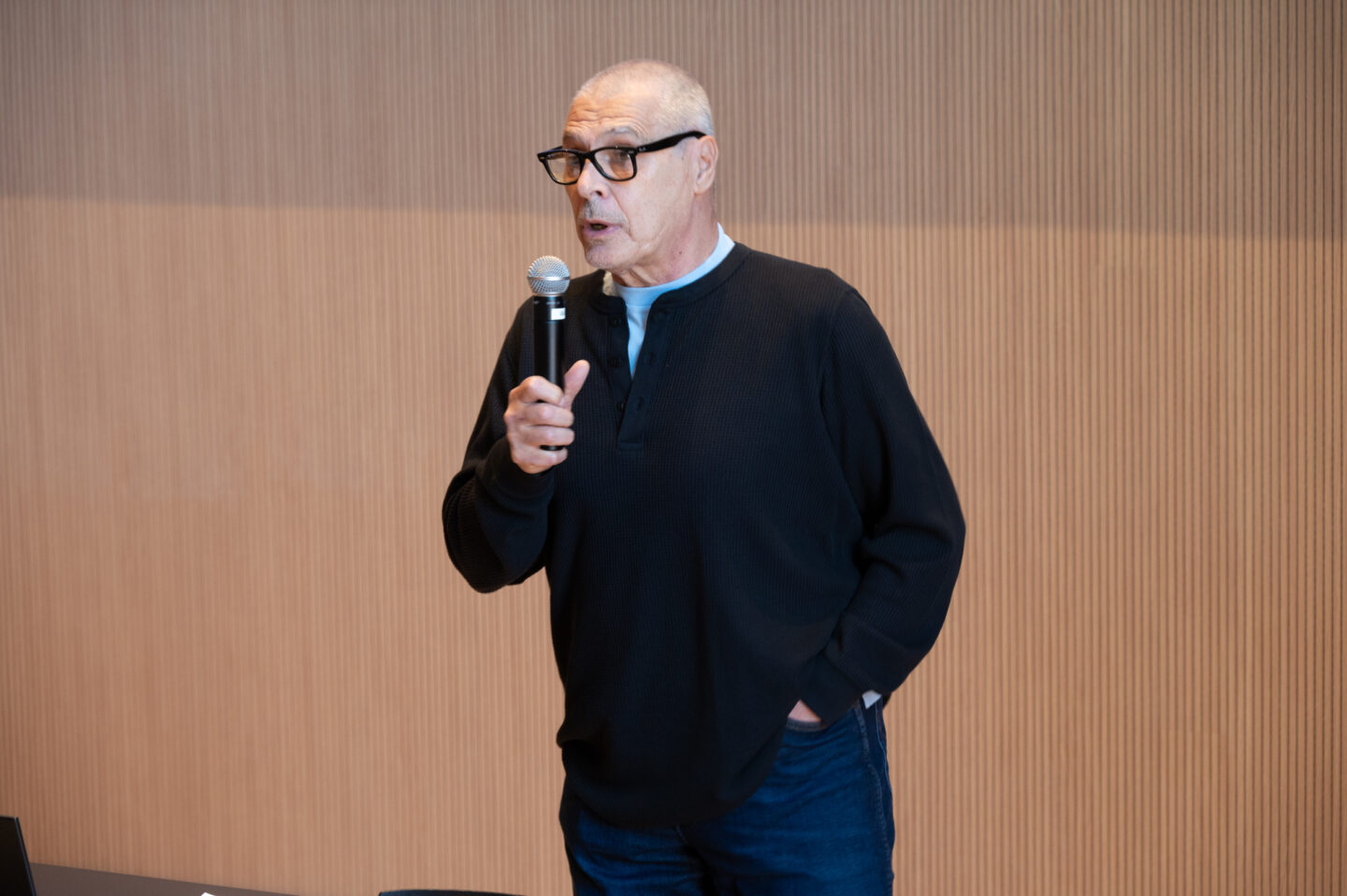
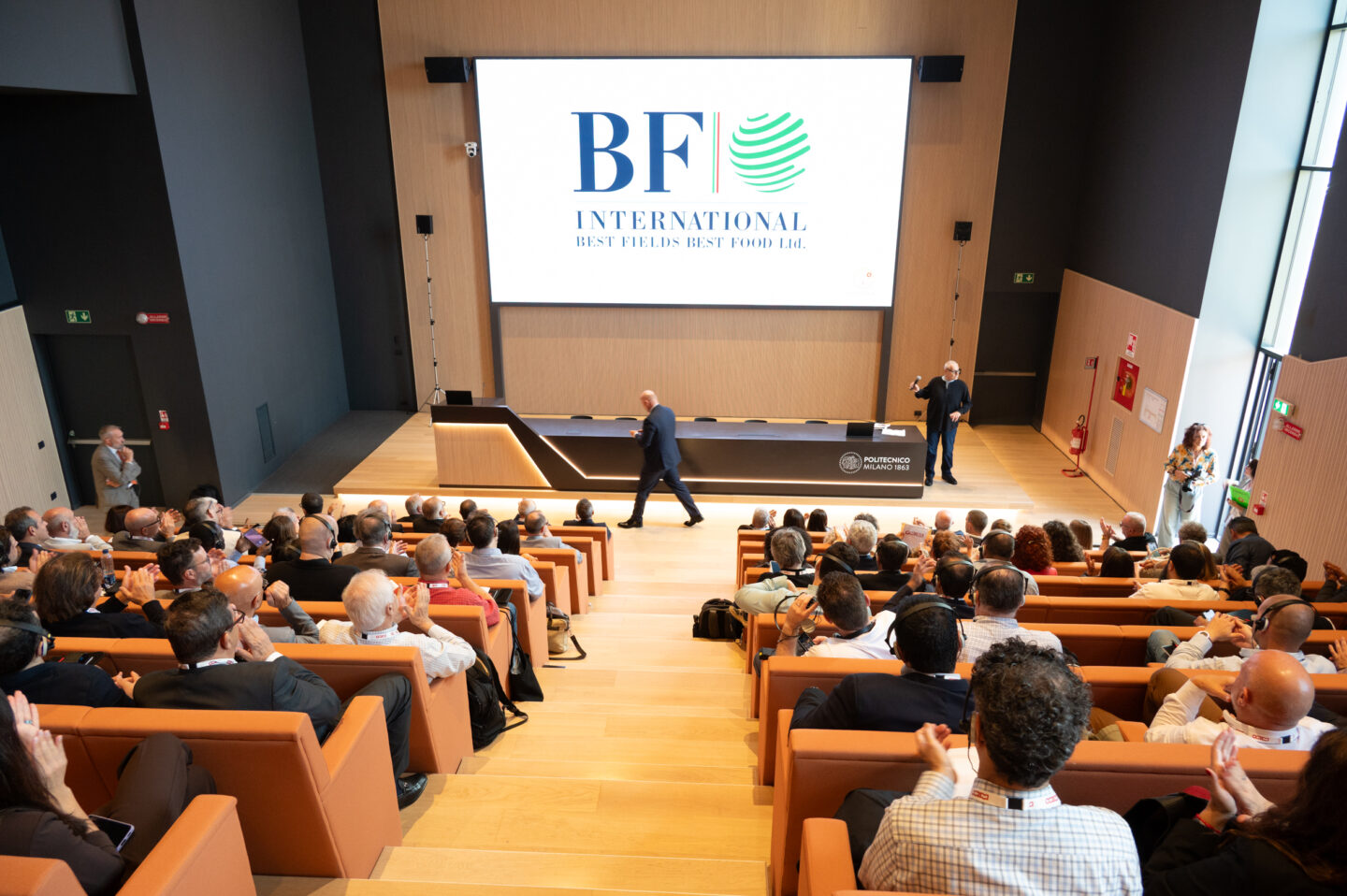
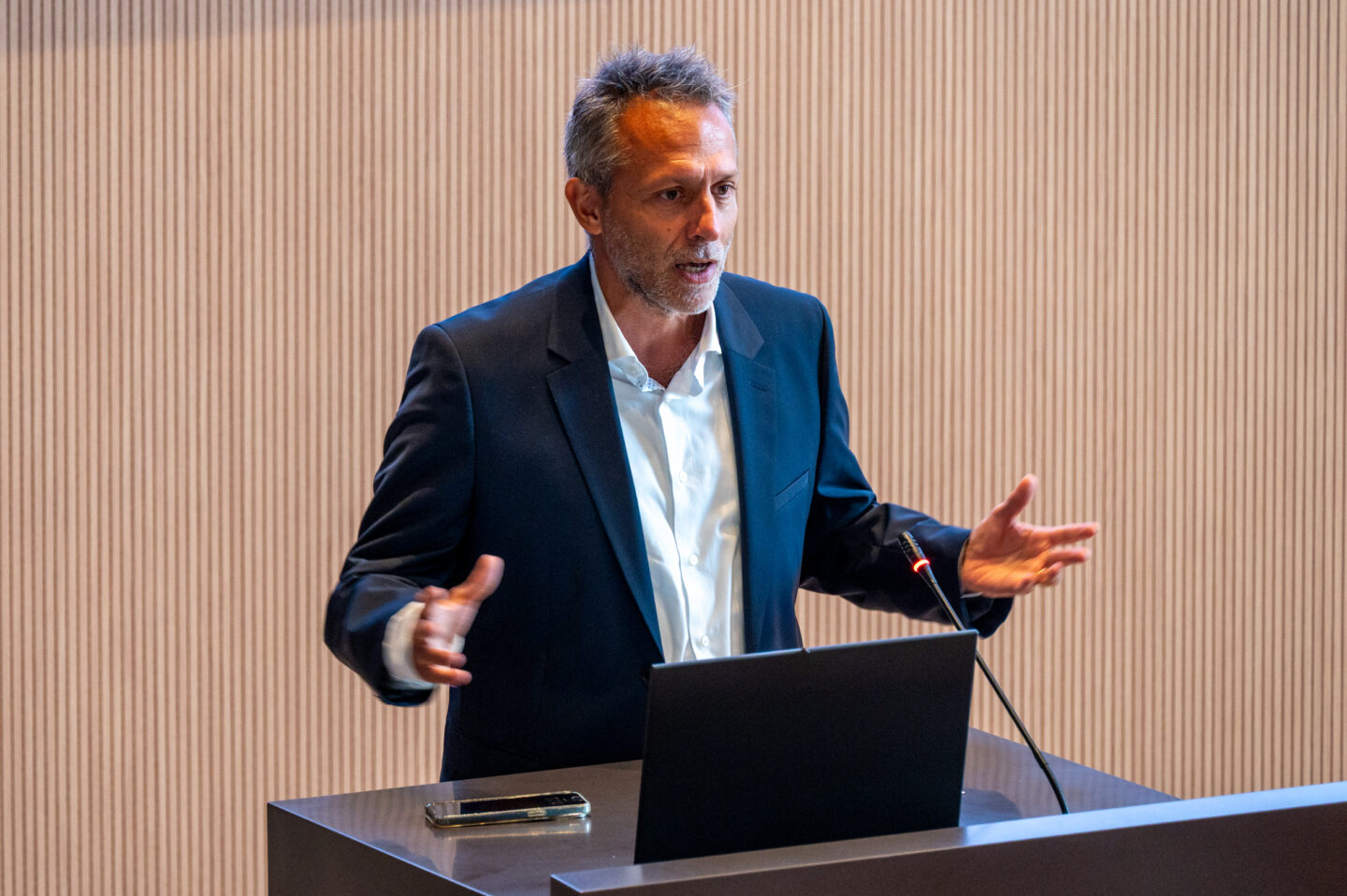
From the “small”, attention then shifted to another perspective. Federico Vecchioni, Executive Chairman of BF S.p.A. and CEO of BF International, took the audience into the agricultural, economic and geopolitical dimensions of supply chains, placing a primary resource at the center of the discussion: land. His speech broadened the perspective from the industrial world to the future of agricultural production.
In his words, the availability of arable land emerged as an increasingly important factor for the future of economies and agri-food supply chains. But protecting this resource also means creating the conditions for it to continue to be understood, cultivated and managed with expertise. Hence the focus on younger generations and on training professionals capable of understanding the supply chain as a whole. This approach also includes the advanced training school dedicated to Agri Tech, created to prepare professionals with a broader, cross-disciplinary understanding of the agro-industrial supply chain. These important prospects extended beyond Italy with the announcement of the opening, scheduled for November, of the group’s first African Model Farm in the Republic of the Congo.
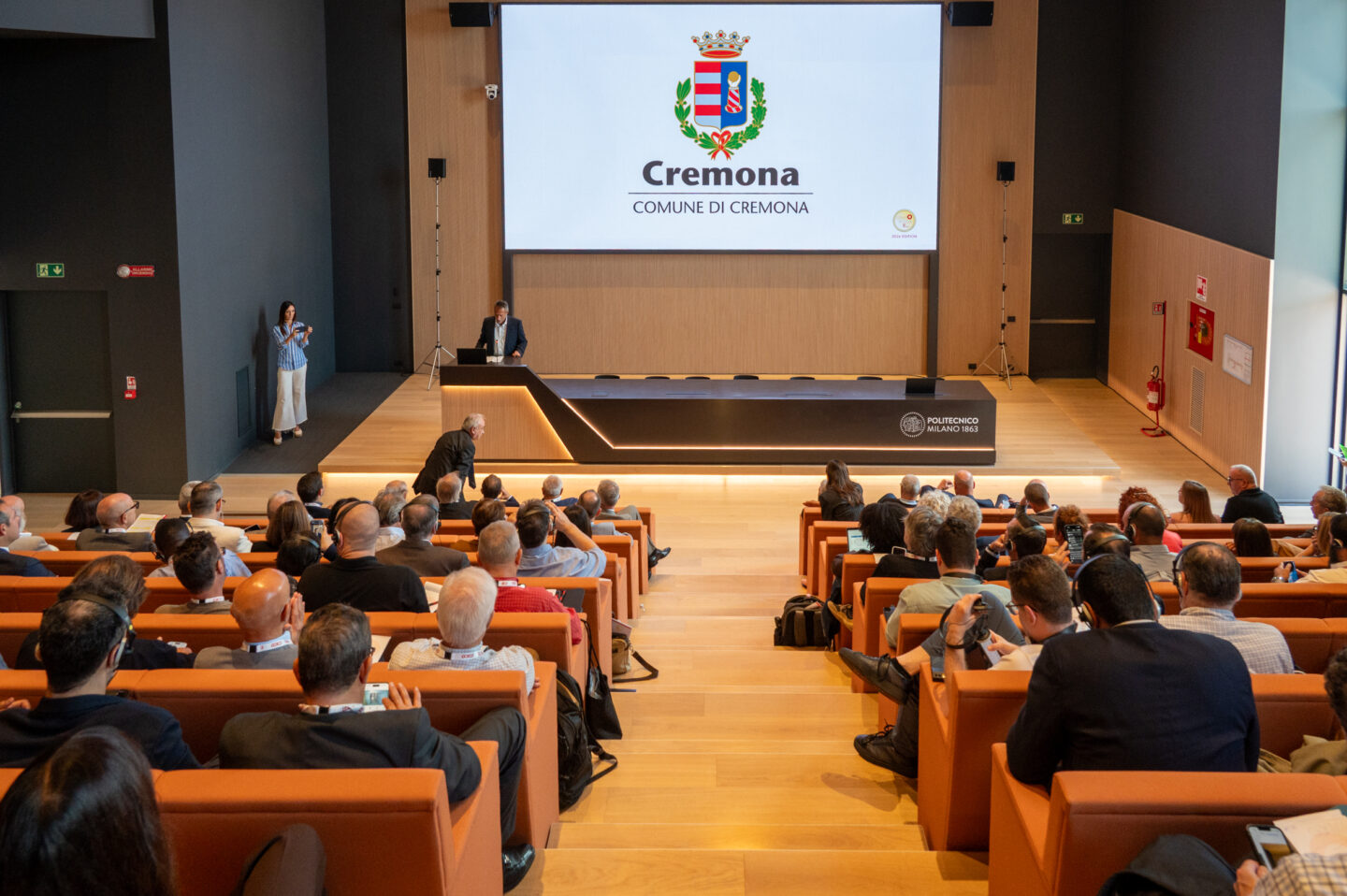
Following his speech, Cremona Mayor Andrea Virgilio took the stage to bring greetings from the city.
Once again, food became the starting point for a broader reflection. Through the example of bread, Andrea Virgilio highlighted the relationship between the elements of nature, human knowledge and the work that makes possible the creation of a food that is both an everyday staple and rich in meaning. From there, he moved on to sustainability, seen through dimensions that must advance together: people’s well-being, the balance of ecosystems, economic stability and the quality of work. His remarks also addressed the bond between business and the city, reflected in Ocrim’s commitment to the restoration of the Church of San Girolamo.
Food tells us who we are
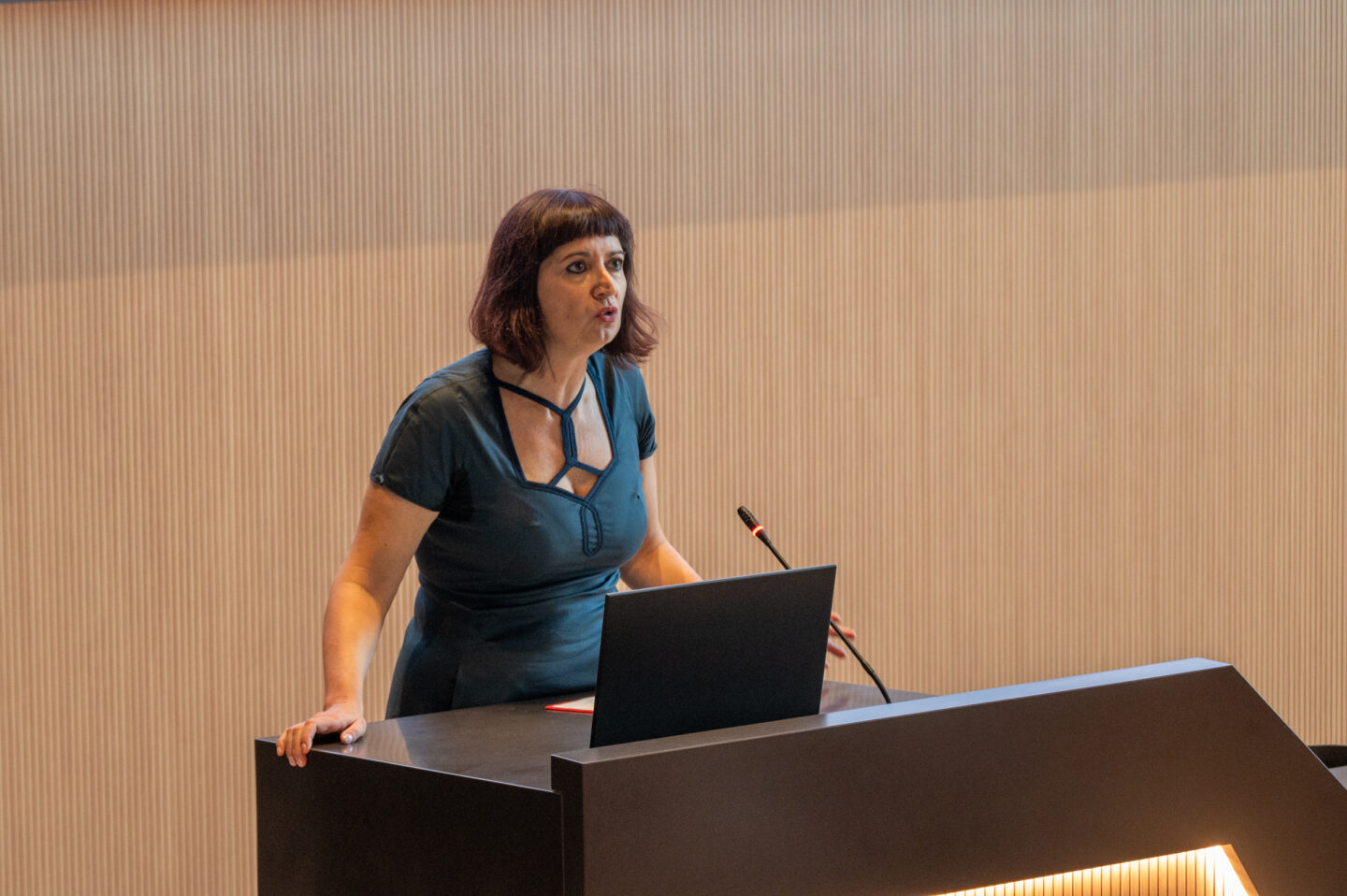
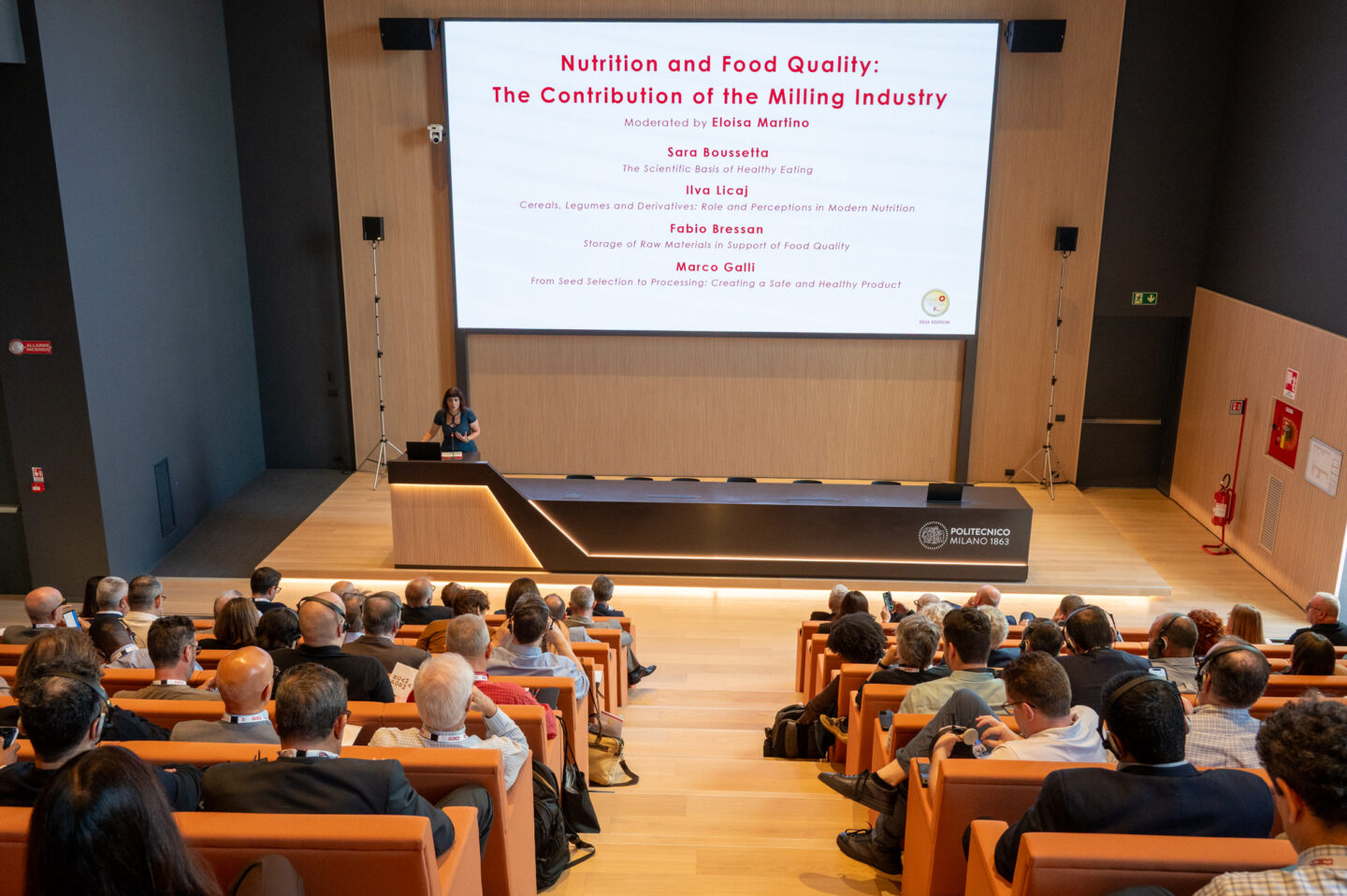
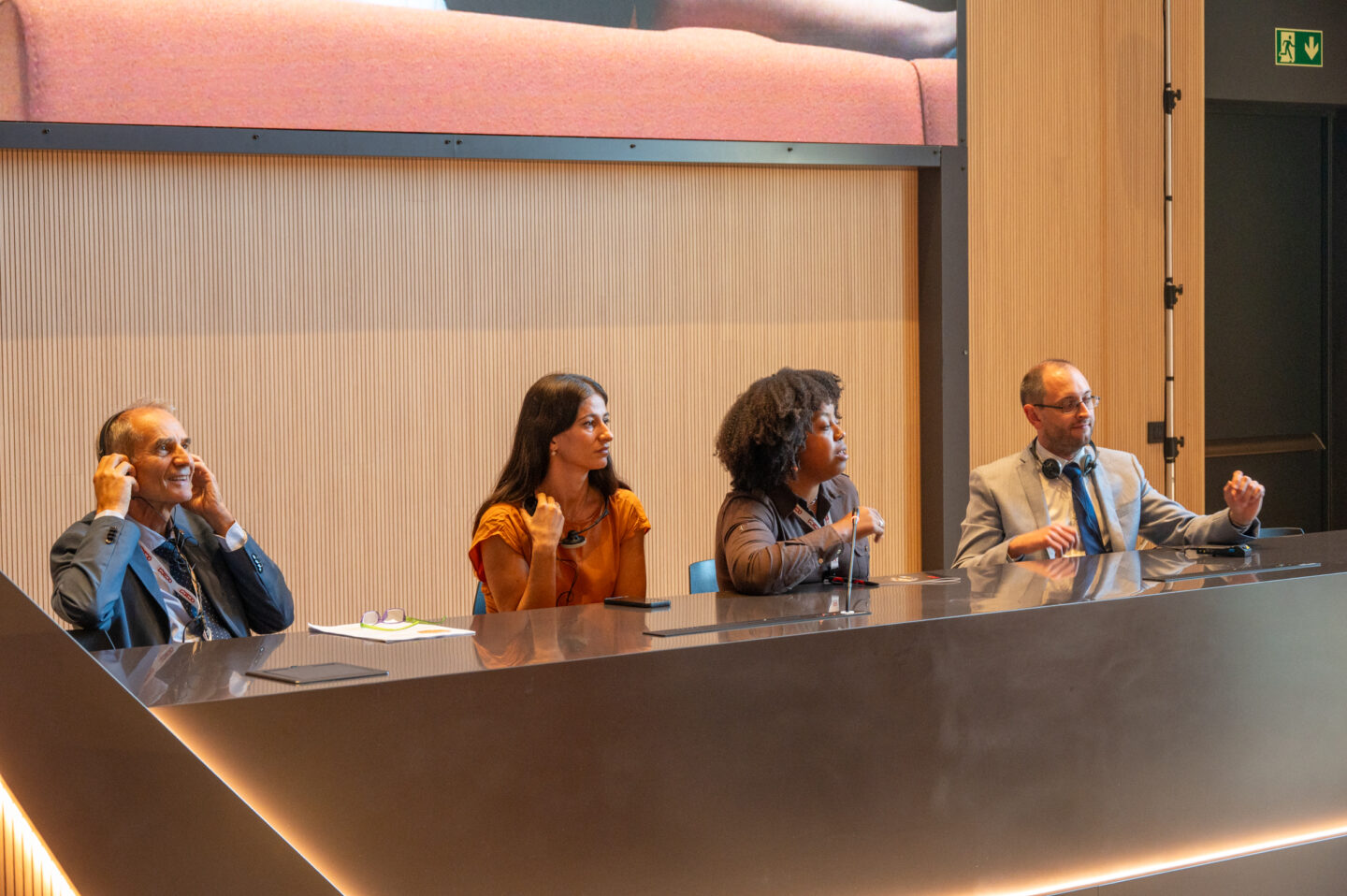
At 11 a.m., the morning moved into the heart of the conference, “Food and Nutritional Quality: The Contribution of the Milling Industry”, presented and moderated by Eloisa Martino from Ocrim’s Communication and Marketing Department.
Before entering the scientific and technological dimension, her reflection began with people themselves. Eating is not simply about nourishment: food speaks of our origins, passes traditions down through generations, creates a sense of belonging and builds relationships. It is a language through which we tell the story of who we are, as demonstrated by its constant presence in literature, art and cinema.
This connection was evoked through the ideas of Jean Anthelme Brillat-Savarin and Ludwig Feuerbach and distilled into one concept: “food is an act of culture and identity”. And if what we eat helps define who we are, understanding how healthy and safe food is produced, from raw materials to the processes that transform them, becomes a responsibility that concerns us all.
It was from this awareness that the conference took shape.
From nutrition to processing
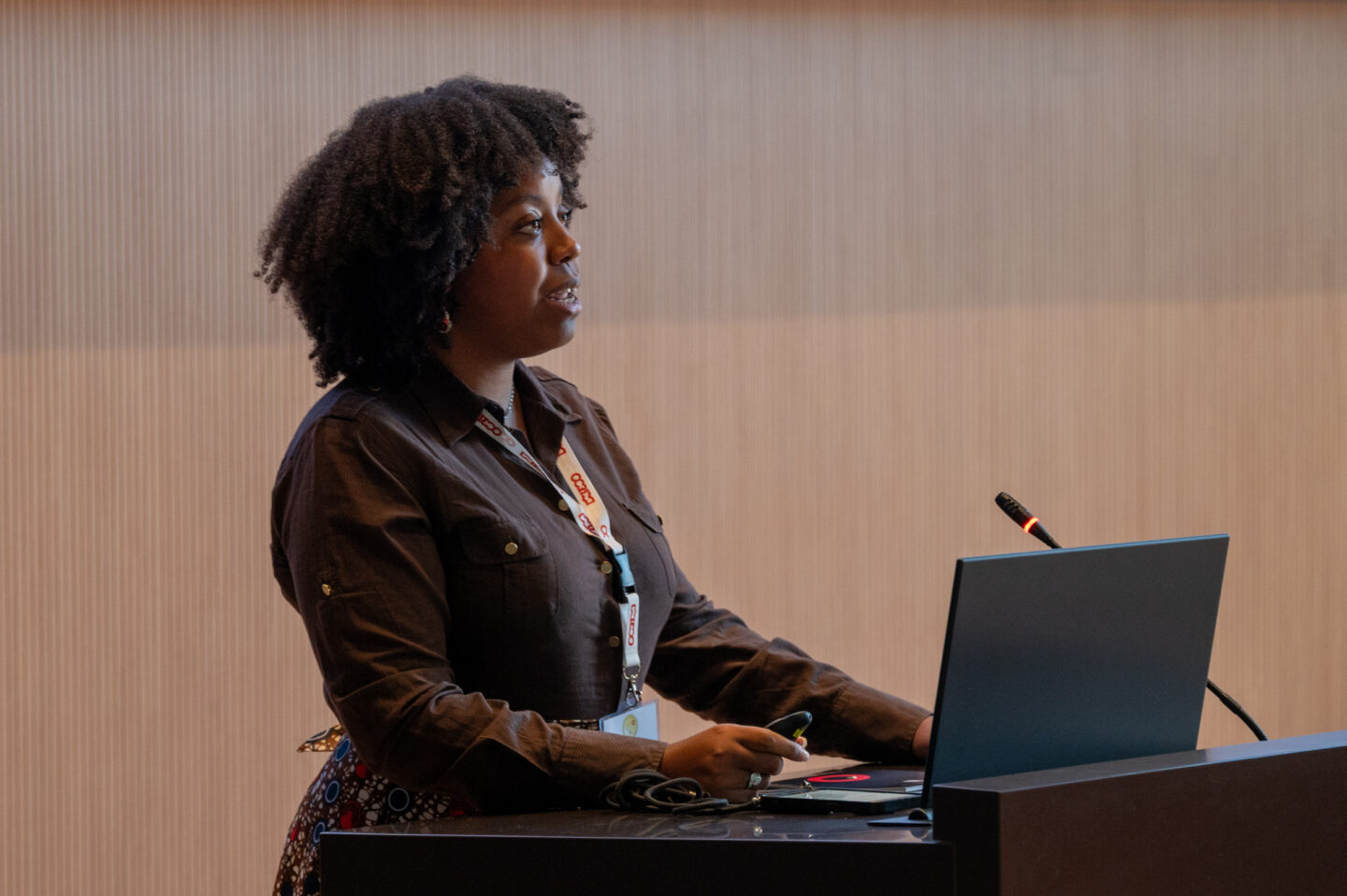
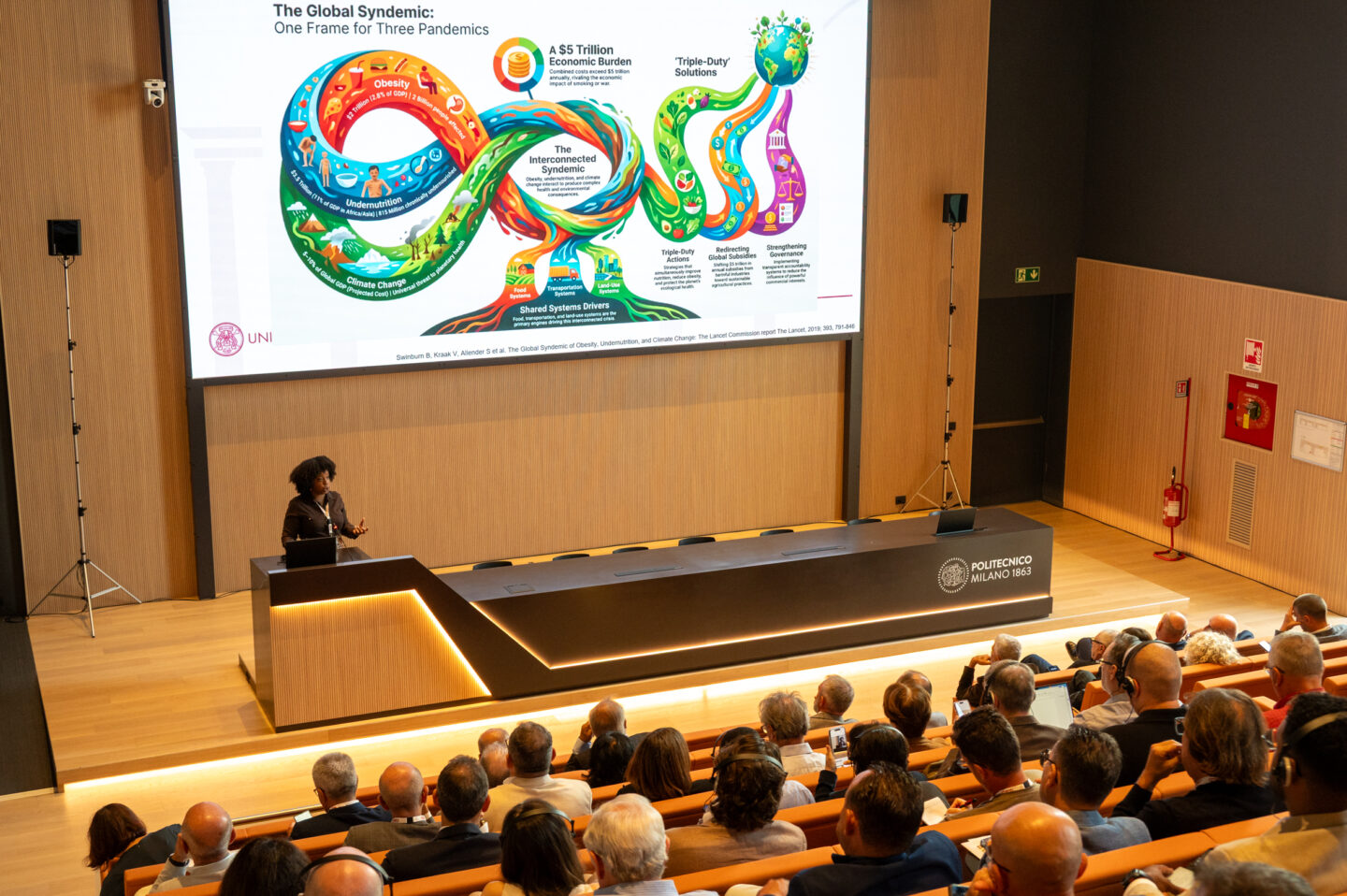
The first contribution, by Sara Boussetta, PhD researcher at the Department of Public Health and Lifestyles at the University of Pavia, addressed “The Scientific Foundations of Healthy Eating”, showing how human health cannot be considered separately from the major environmental and social transformations of our time. From this perspective, she introduced the concept of the “global syndemic” and highlighted the value of the Mediterranean diet within research into dietary patterns.
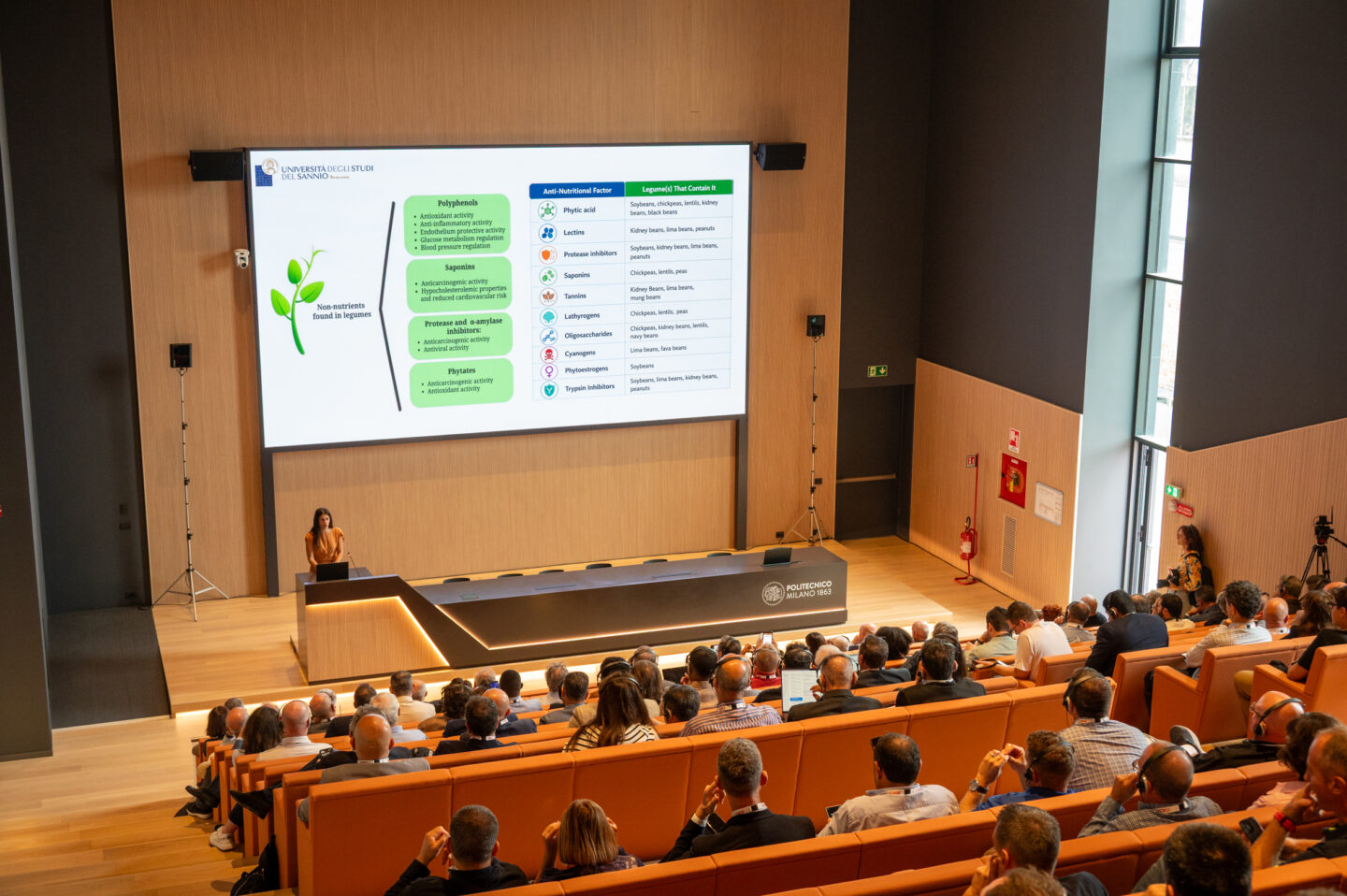
She was followed by Ilva Licaj, from the Department of Science and Technology at the University of Sannio, who explored “Cereals, Legumes and Their Derivatives: Role and Perceptions in Modern Nutrition”, also focusing on the nutritional complementarity of cereals and legumes. Her contribution showed how these two food groups can complement each other nutritionally, partly thanks to their different contributions of essential amino acids. It was an opportunity to refocus attention on the value of foods deeply rooted in our culinary culture and on the role they can continue to play in contemporary diets.
From the nutritional characteristics of food, the discussion then moved into the industrial dimension of the supply chain. Fabio Bressan, Senior Technician at Ocrim|Sima, addressed “Raw Material Storage to Support Food Quality”, illustrating the crucial role of storage in preserving the condition of raw materials. Proper grain storage means monitoring how the product evolves over time and managing the key factors that could compromise its quality before subsequent processing.
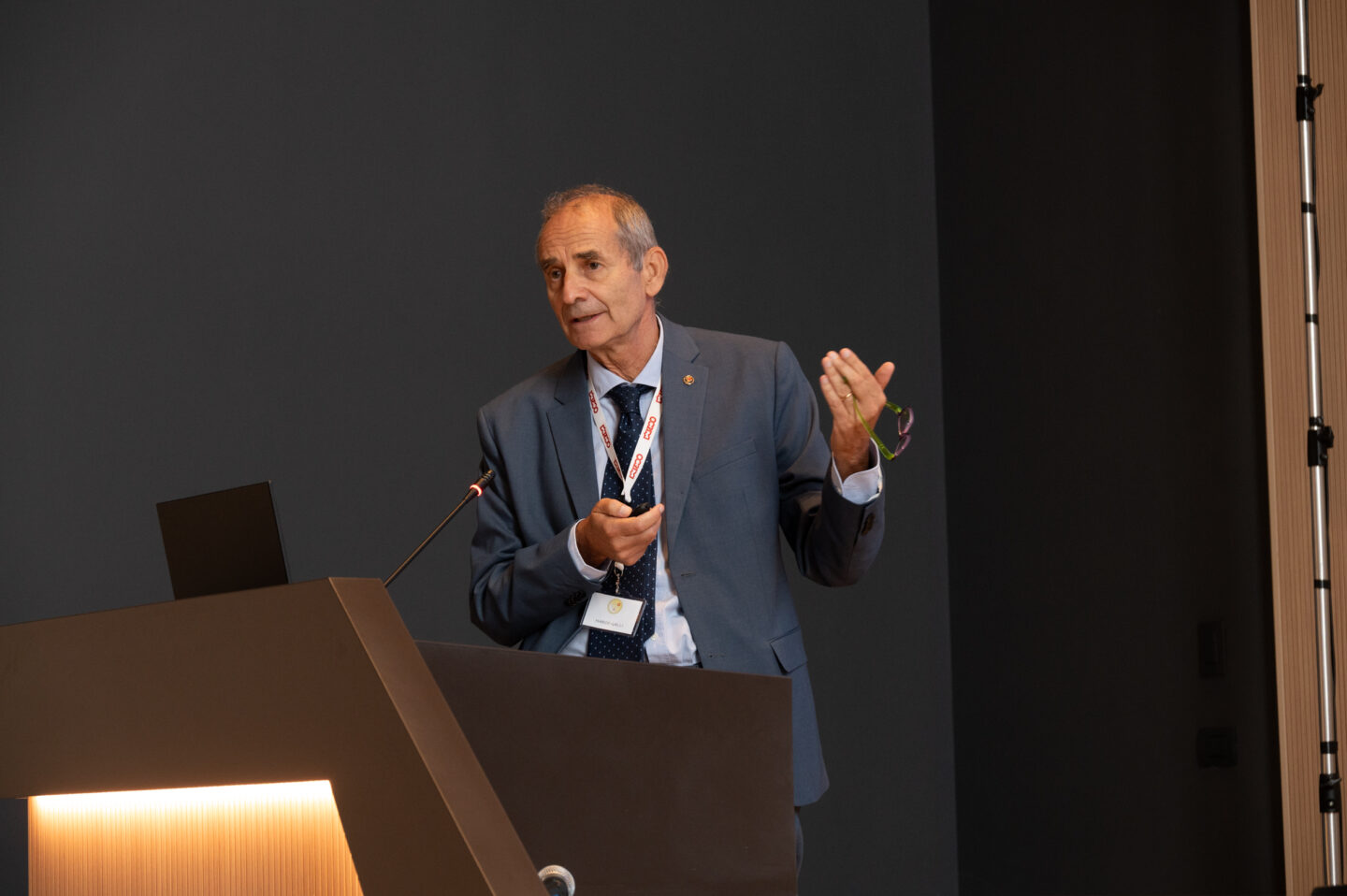
Marco Galli, Head of Ocrim’s Technological Department and Director of the International School of Milling Technology, completed the journey with “From Seed Selection to Processing: The Path to a Healthier Product”. His presentation took the discussion into the heart of the milling process, where technological choices have a direct impact on the safety, quality and characteristics of the final product.
Following the four presentations, Eloisa Martino opened the discussion between the speakers and the audience before bringing the conference to a close.
Four different contributions, but one shared direction: the quality of what we eat is not created at a single moment, nor can it depend on a single step. It begins long before the finished product and accompanies the raw material throughout the entire supply chain, through scientific knowledge, storage, technology and processing.
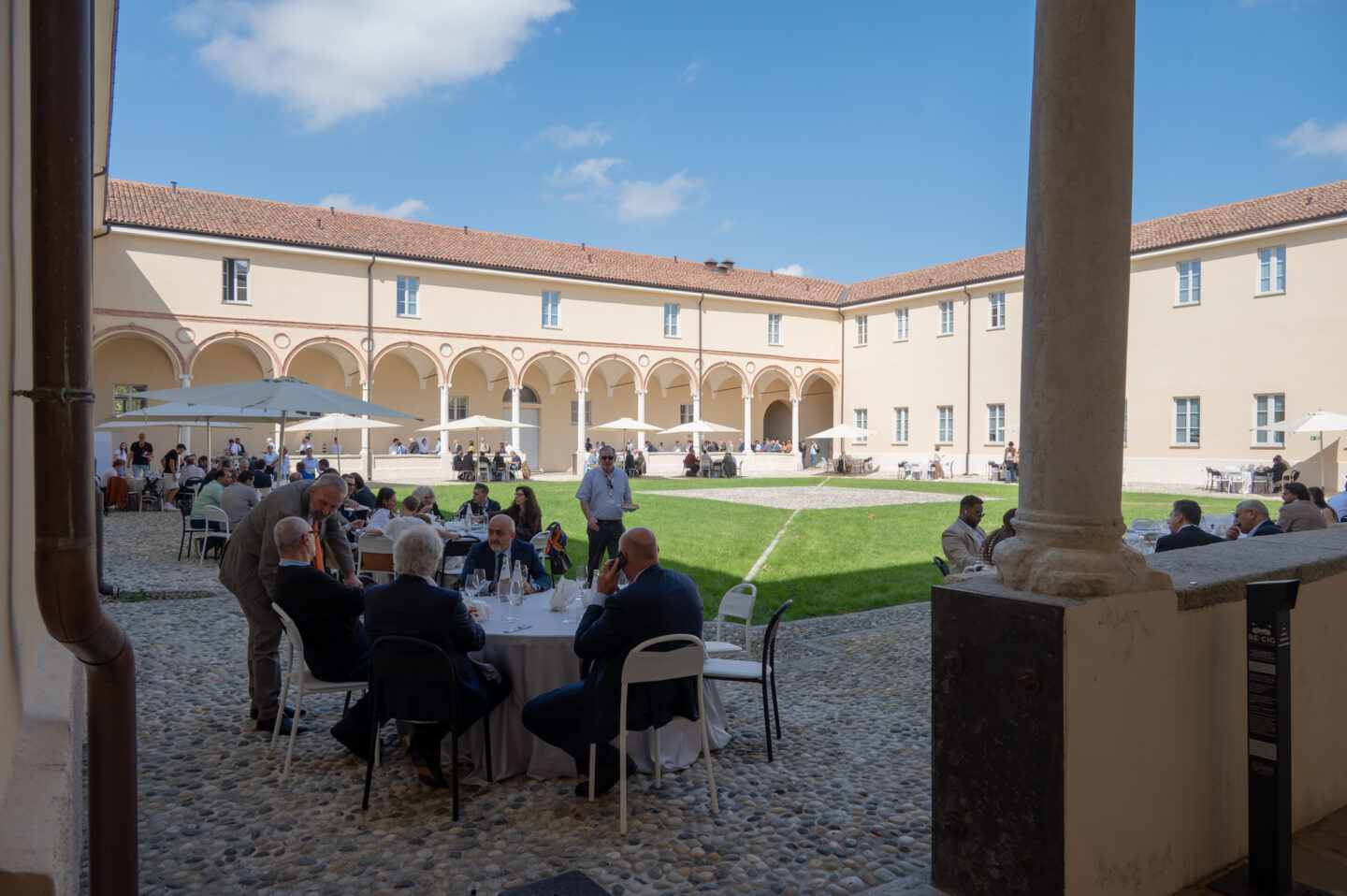
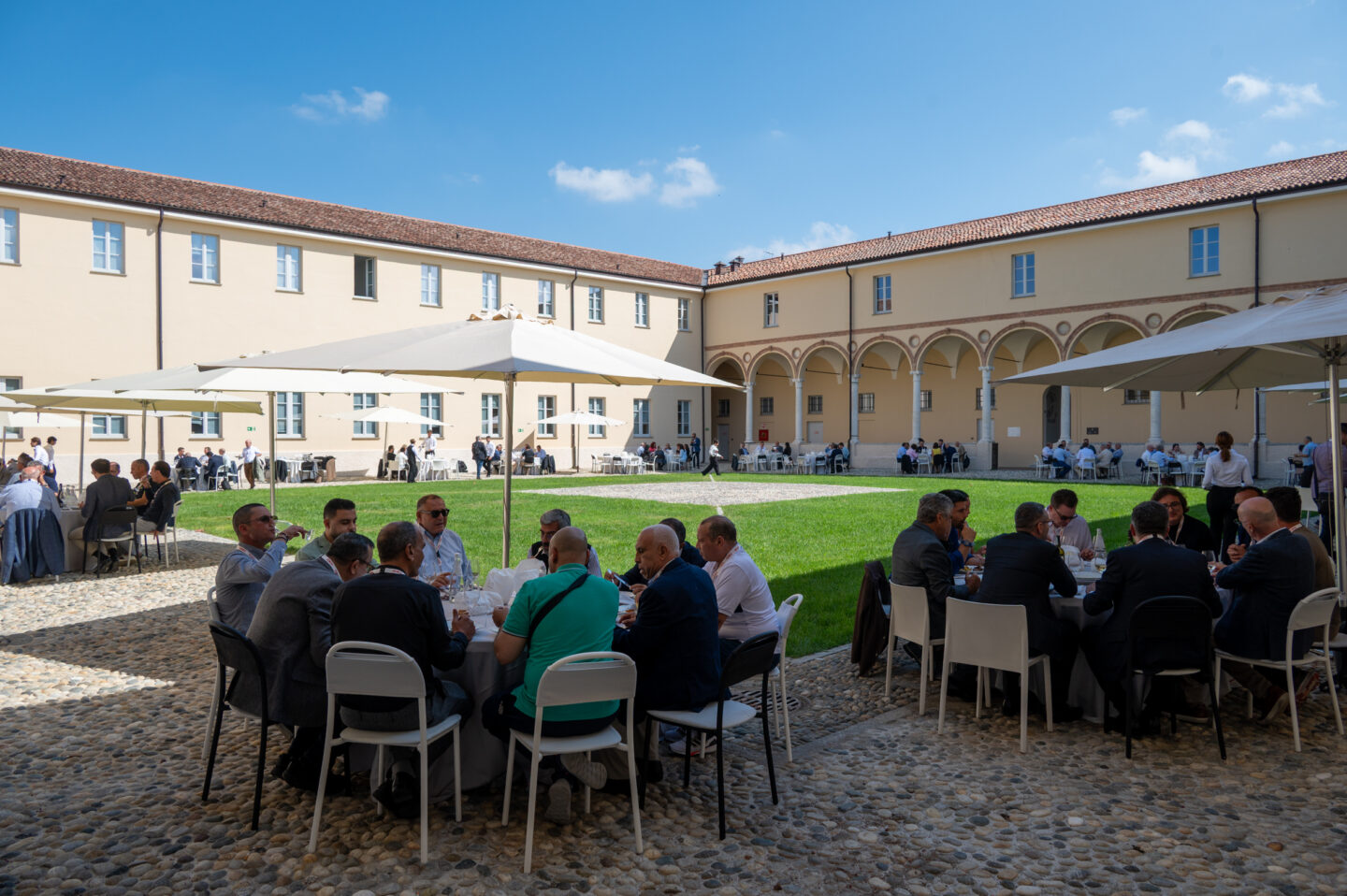
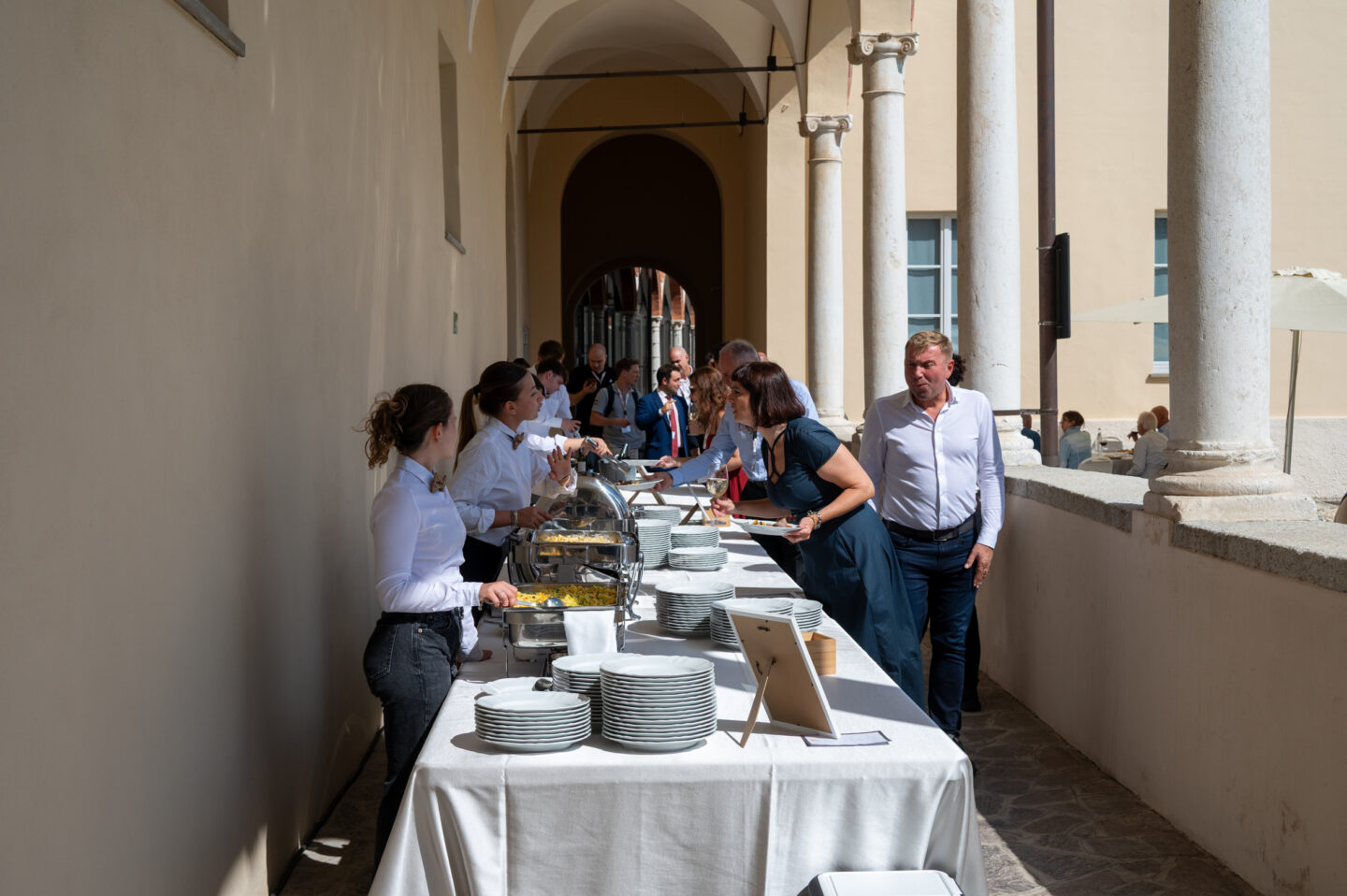
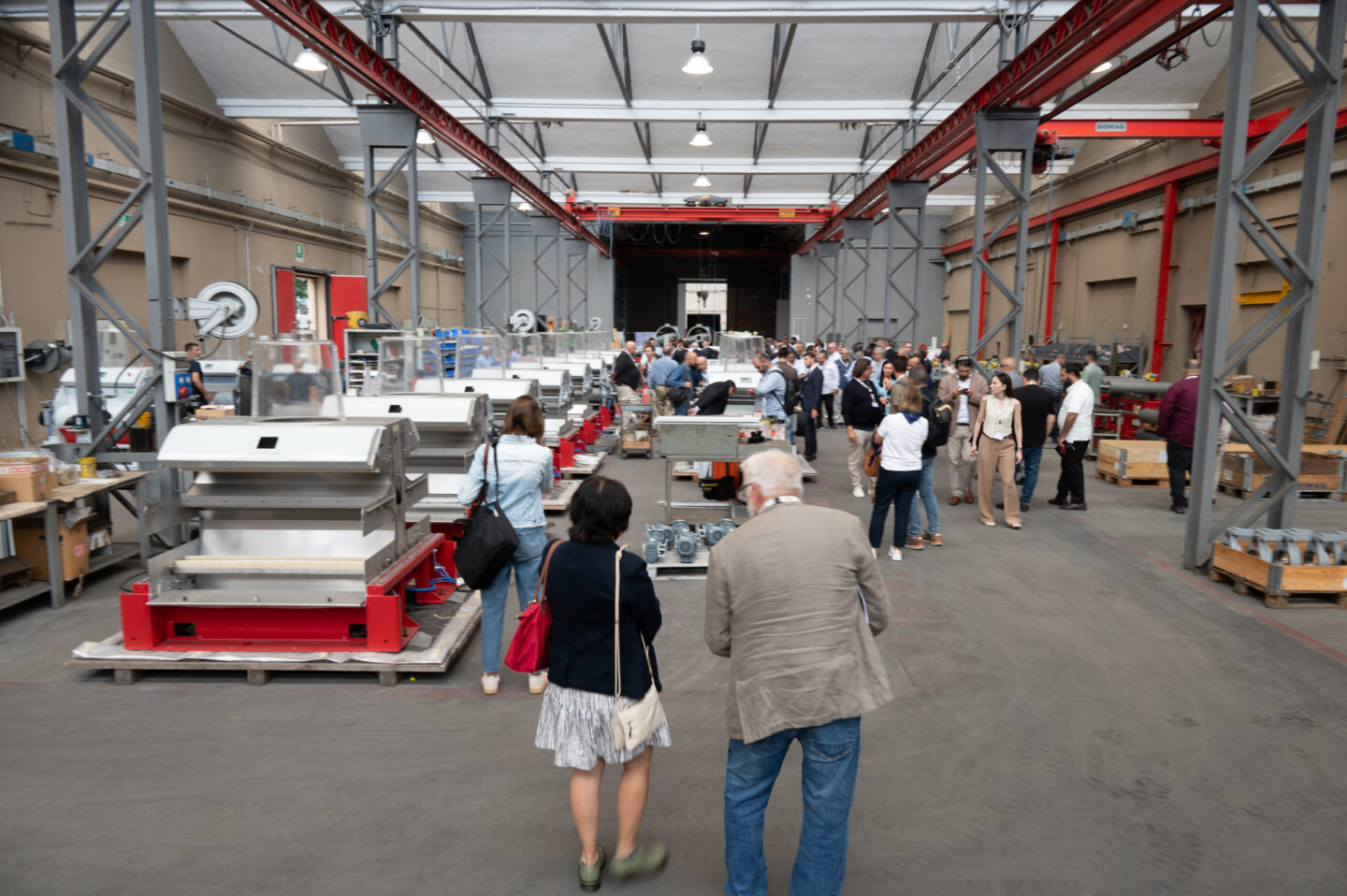
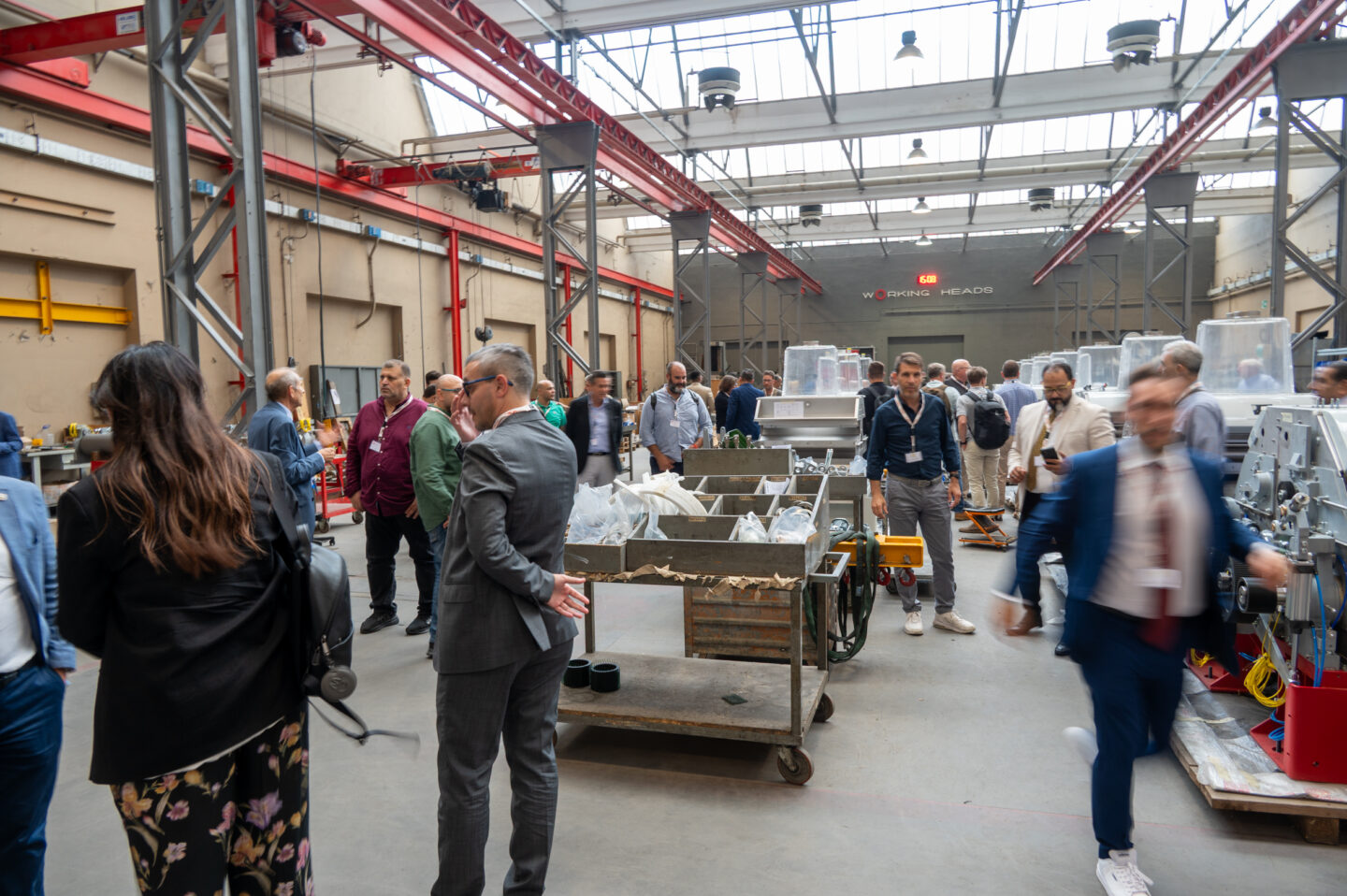
At the end of the conference and after lunch, held in one of the courtyards of the Politecnico Campus, guests were taken on a tour of Ocrim’s workshops at its historic Via Massarotti site and at the Via Riglio facility.
But Friday at “Wheat, flour and…” was certainly not over yet. Quite the opposite.
A new chapter in Via Milano
After a morning devoted to knowledge, land, food and technology, the day led guests towards the major highlight of this year’s edition: Ocrim’s new Via Milano site.
Some places seem to have reached the end of their story, yet still hold the possibility of writing another one. Such is the case of the Via Milano site, a 21,000-square-meter area formerly occupied by the Umberto Piacenza factory. For years, the site stood as a reminder of an industrial past that had come to an end. Today, it has a purpose and a function once again, as the home of Ocrim’s new facility.
There is an important aspect here that goes beyond the simple redevelopment of a space. Creating something new, in this case, did not mean indiscriminately erasing everything that belonged to the past. Wherever possible and meaningful, what was already there was given a place in the site’s new life. It is almost as though some traces had remained silently waiting for someone willing to see them not as remnants of something that no longer existed, but as elements to which new meaning could be given.
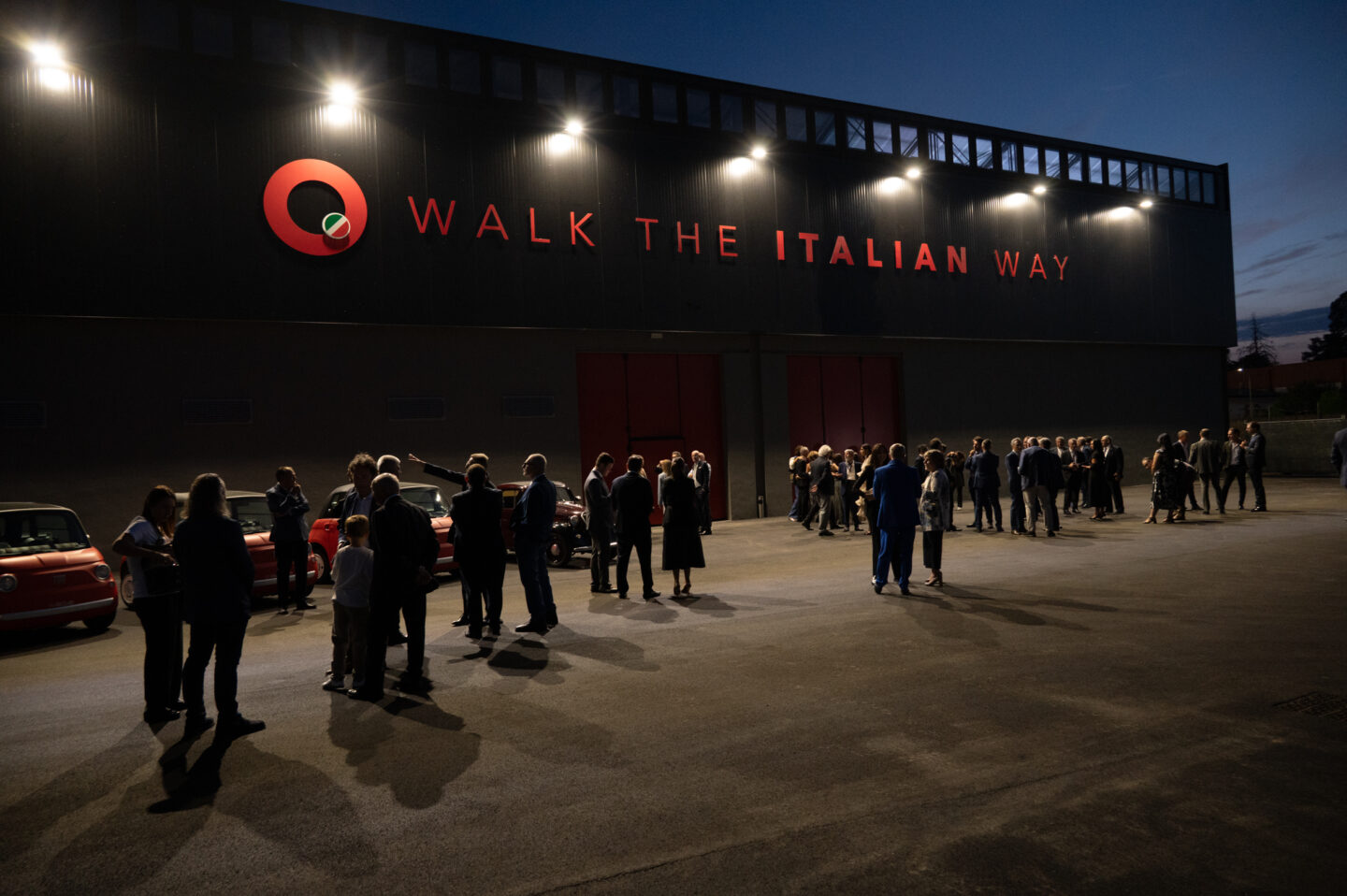
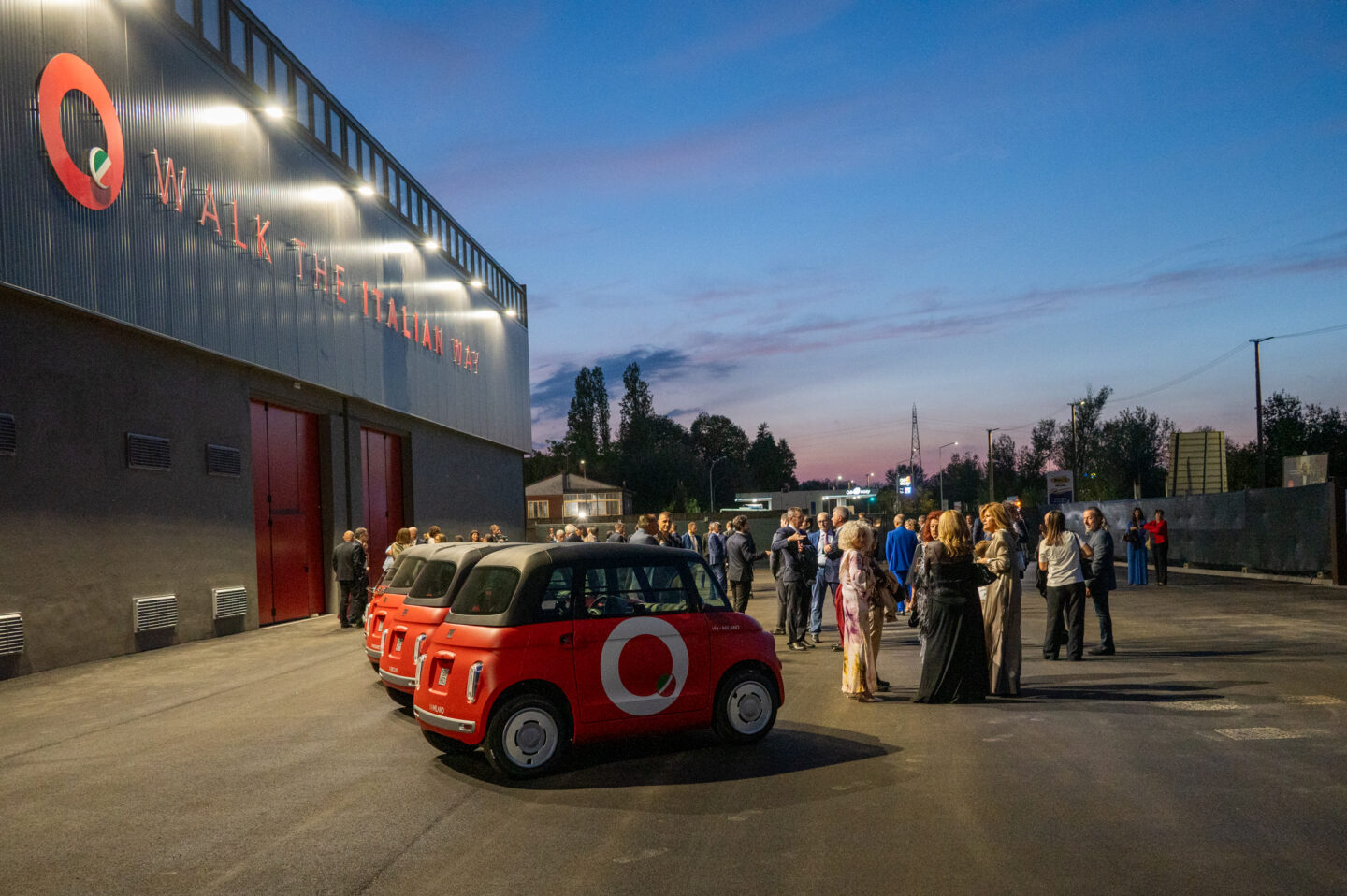
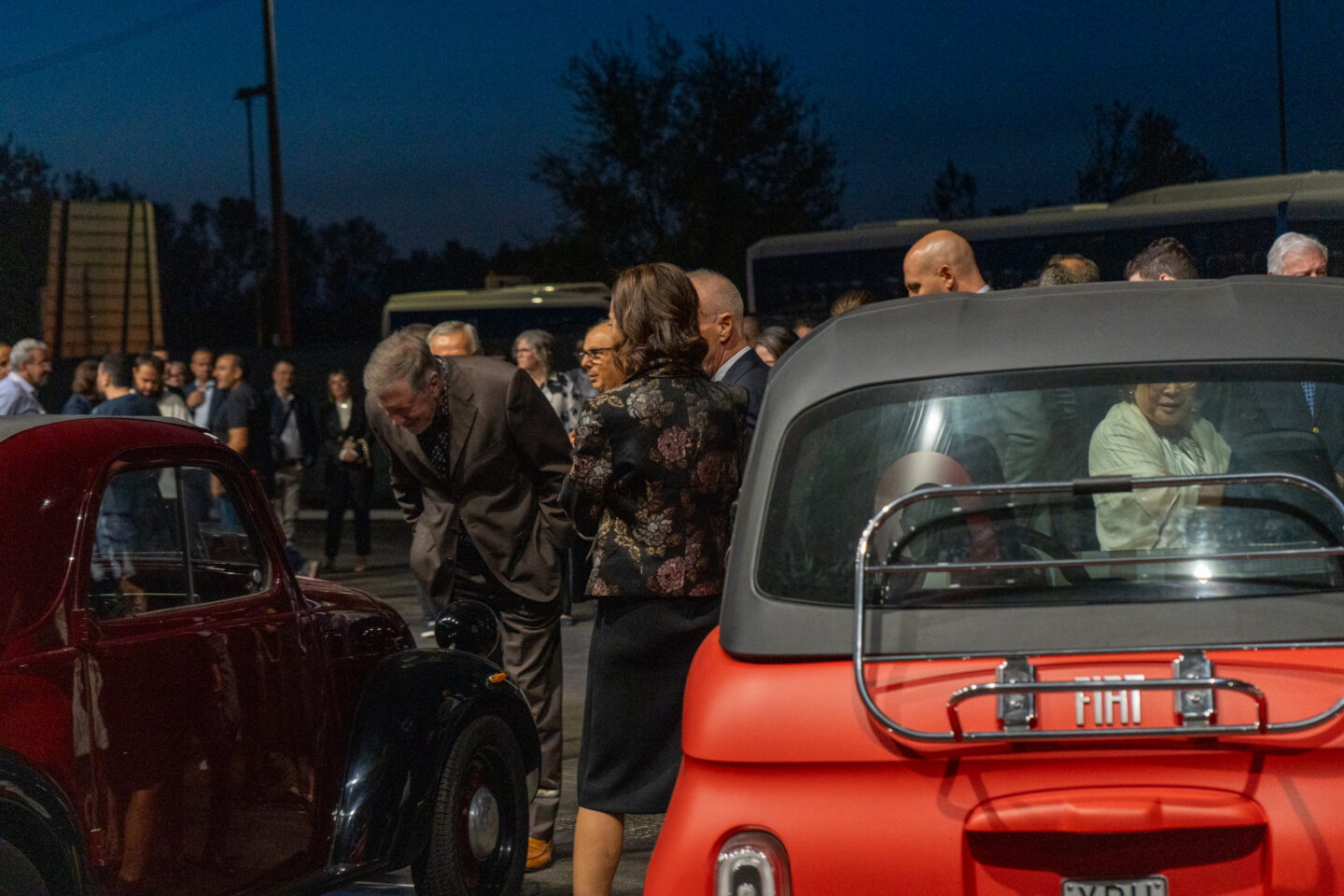
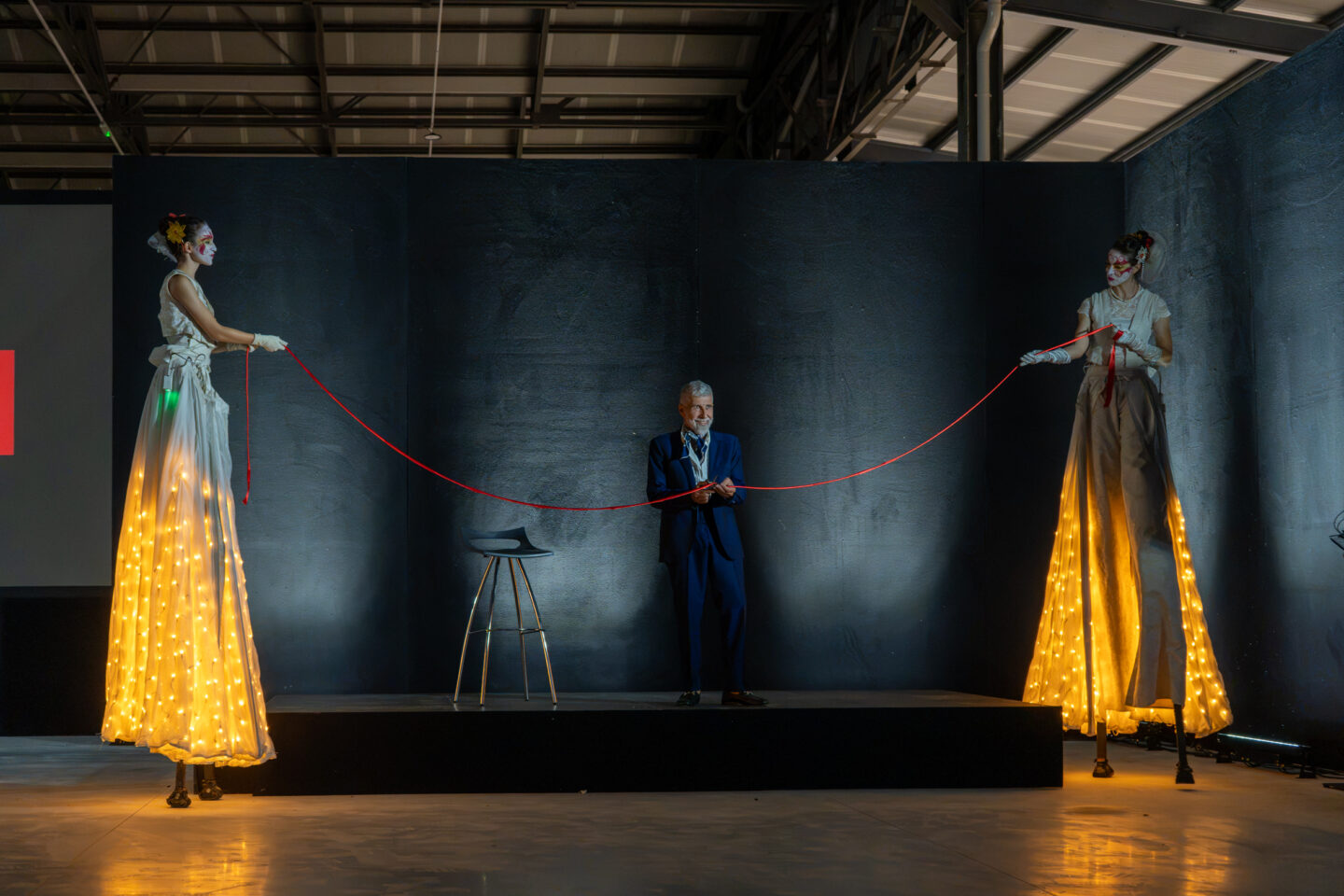
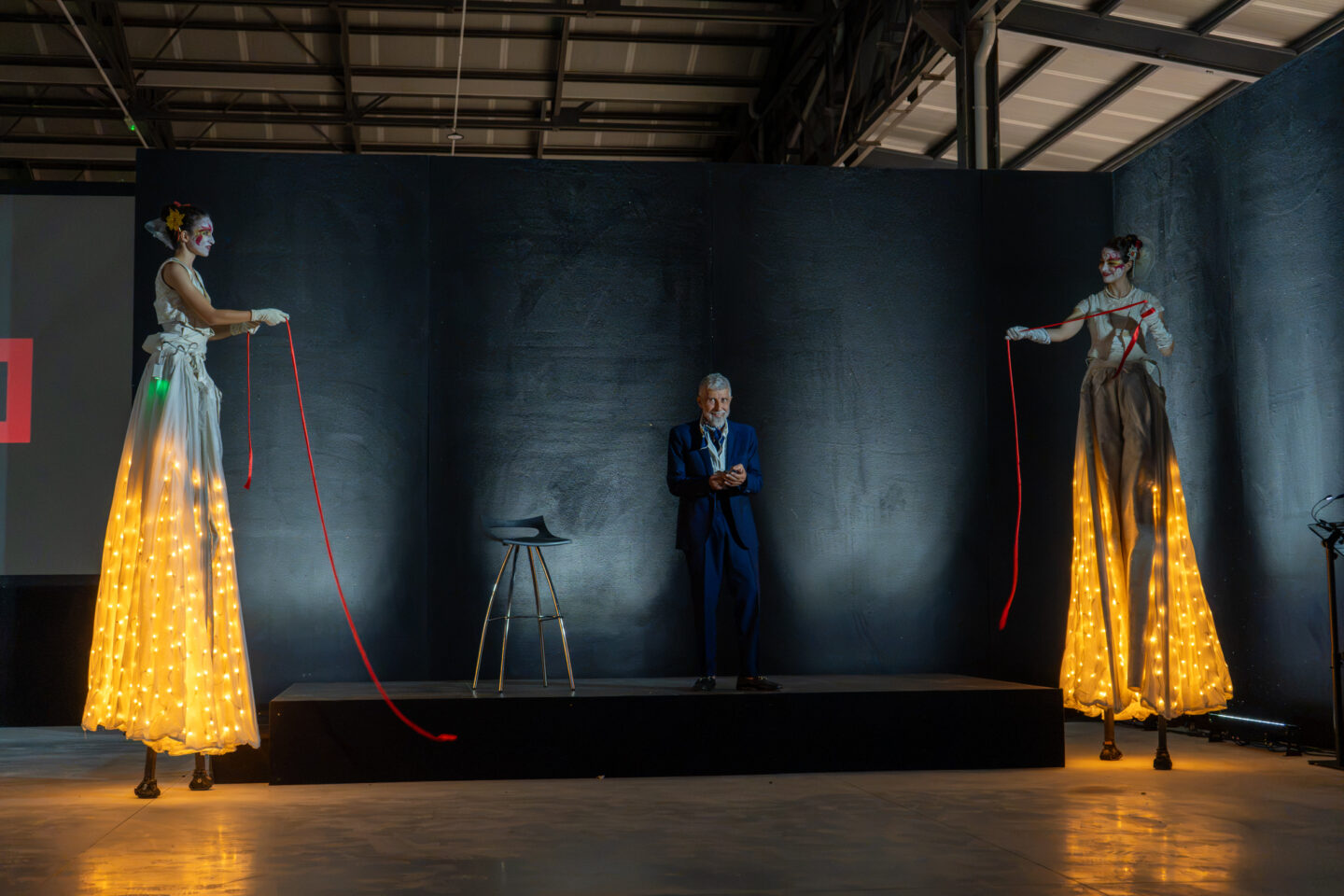
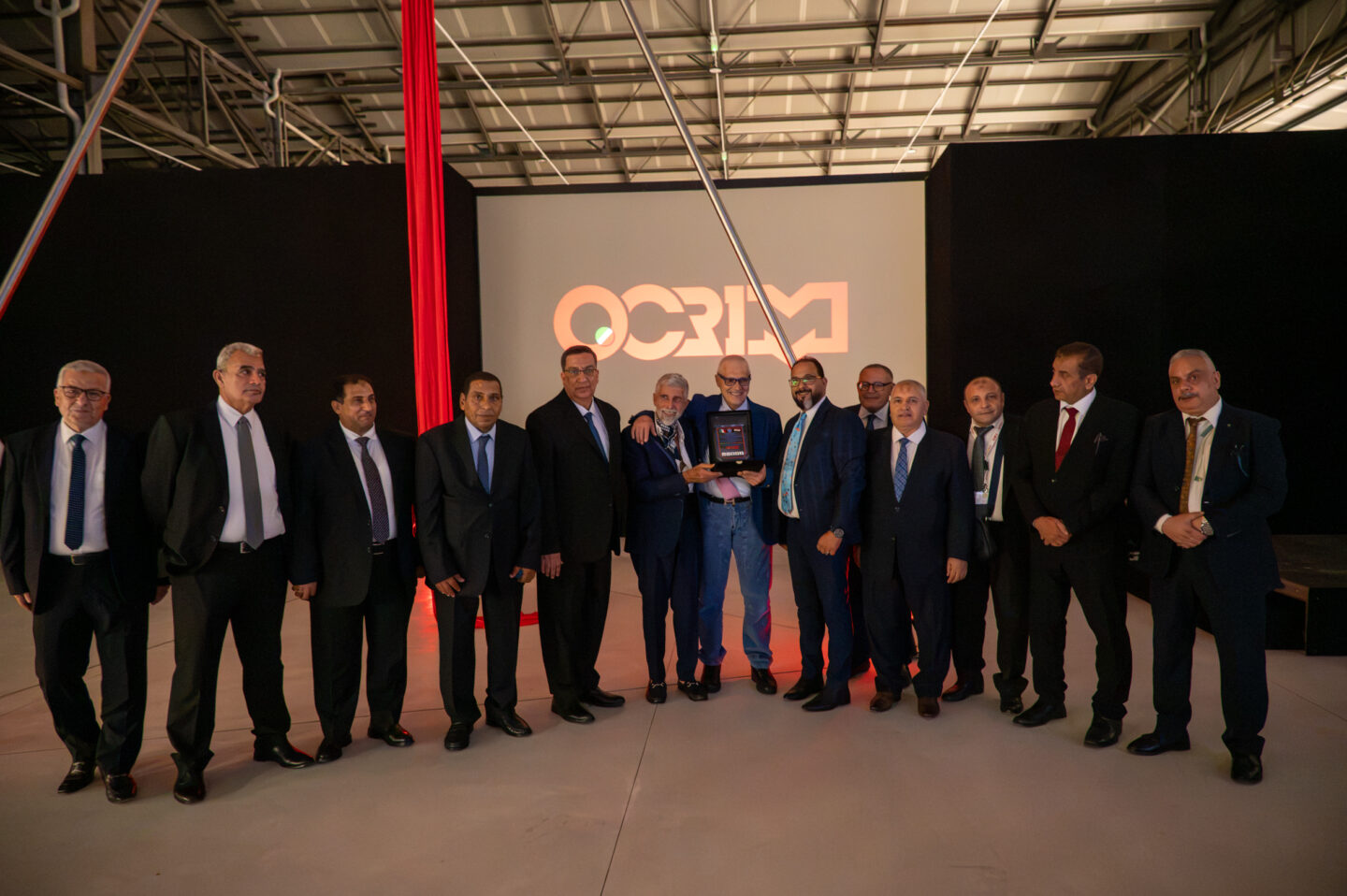
It was against this backdrop that the official inauguration of the new site took place on Friday evening, in the presence of the international guests attending “Wheat, flour and…”.
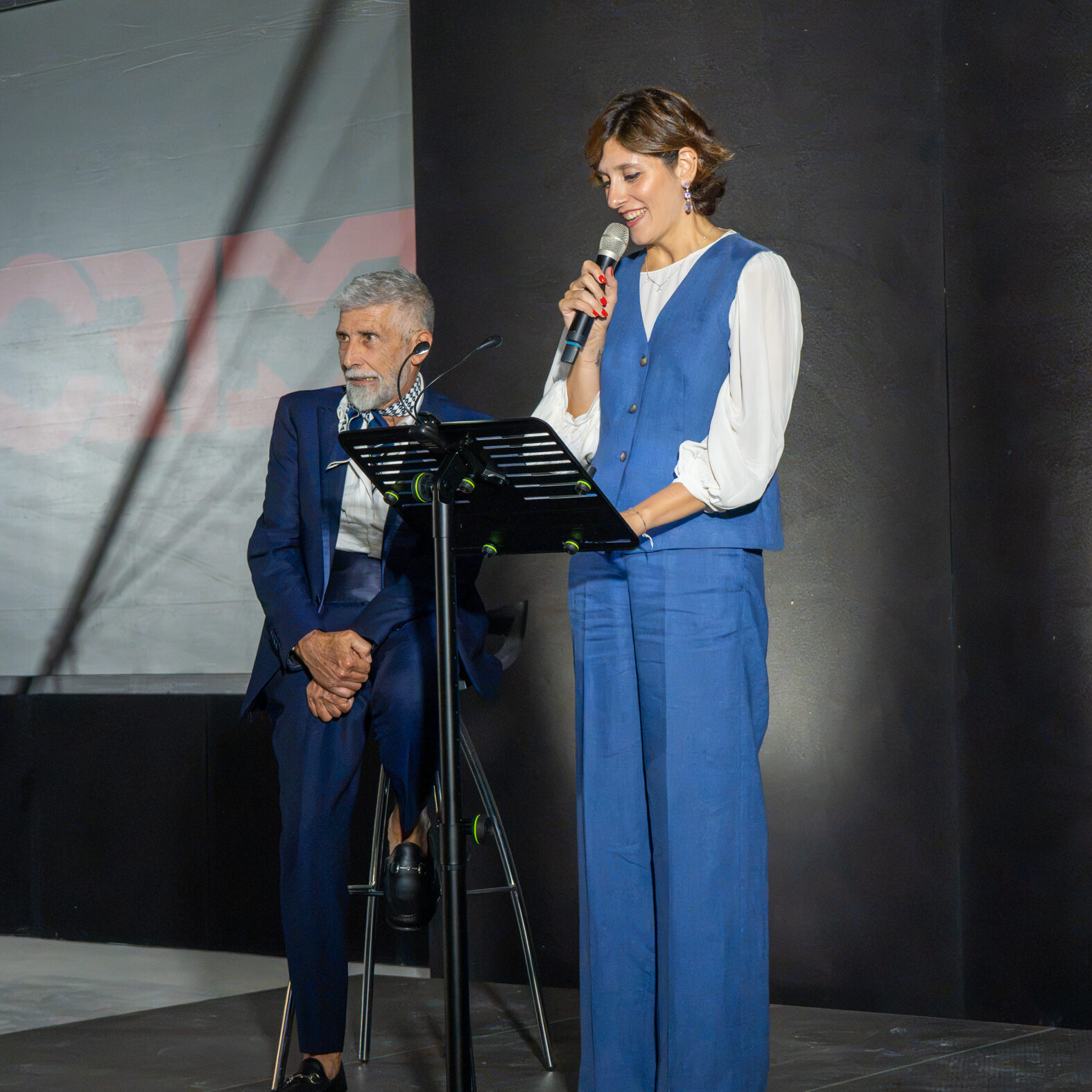
The words of Ocrim President Sergio Antolini, read by Marta Latini from Ocrim’s Marketing Department, gave greater depth to the occasion. His message shifted the meaning of the inauguration away from the new facility itself and towards what it represents over time. Opening a new site means building for the present, but also taking responsibility for what comes next: inheriting a history, allowing it to evolve and creating the conditions for it to continue in the hands of future generations.
The ribbon-cutting thus took on the symbolic meaning of a connection between past and future, rather than a separation between what came before and what begins today. In Sergio Antolini’s words, this sense of continuity concerns not only the spaces and the company, but above all the people who, over time, are called upon to inherit that legacy and transform it.
It was from this perspective that his thoughts became more personal, turning to his brother Alberto Antolini and to the continuity of the family:
“For this reason, today my thoughts go to Alberto, for what he has built; to our children, for what they are carrying forward; to our grandchildren, for what they may one day build; and to everyone whose work makes it possible for a story to continue.”
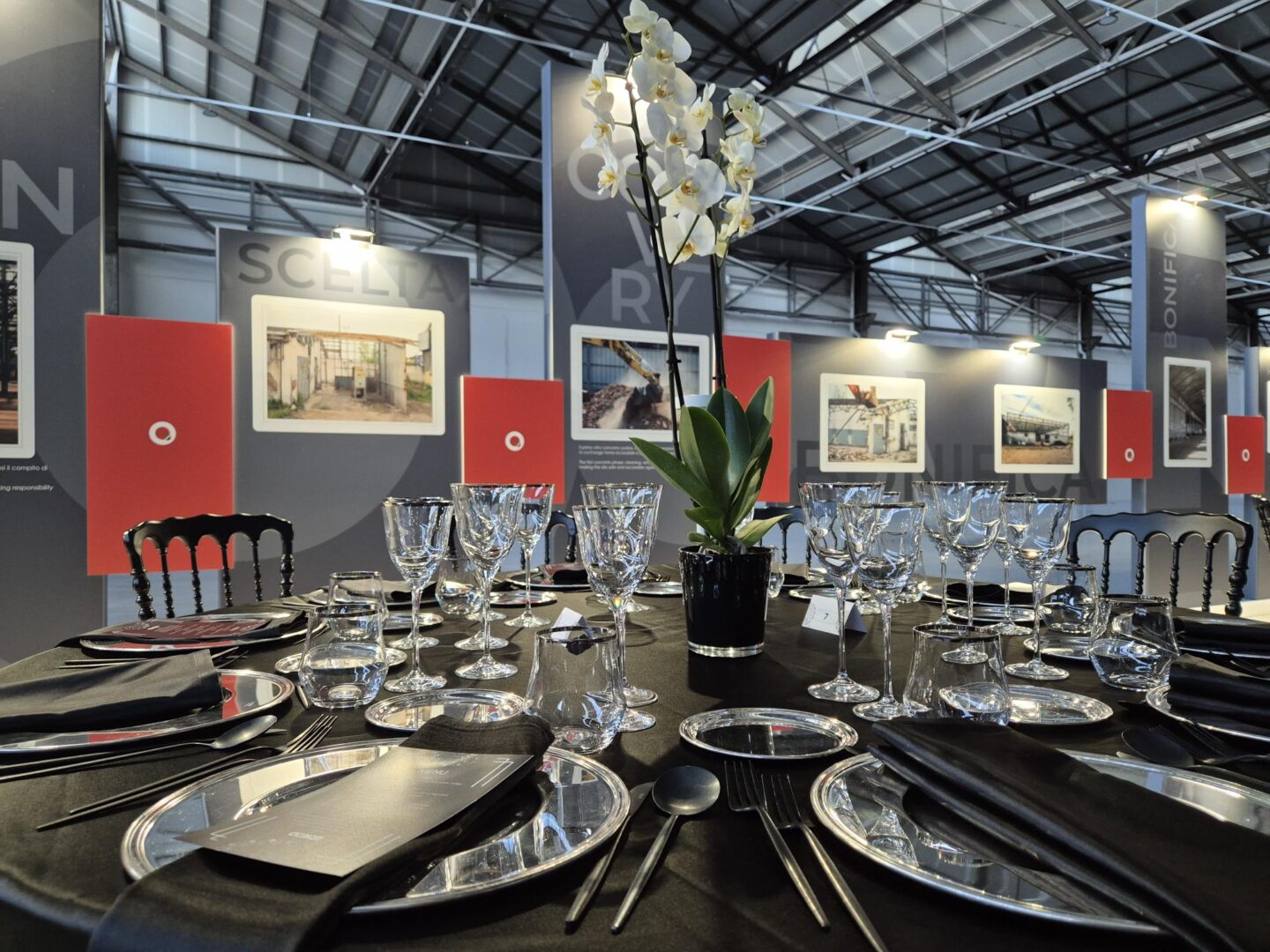
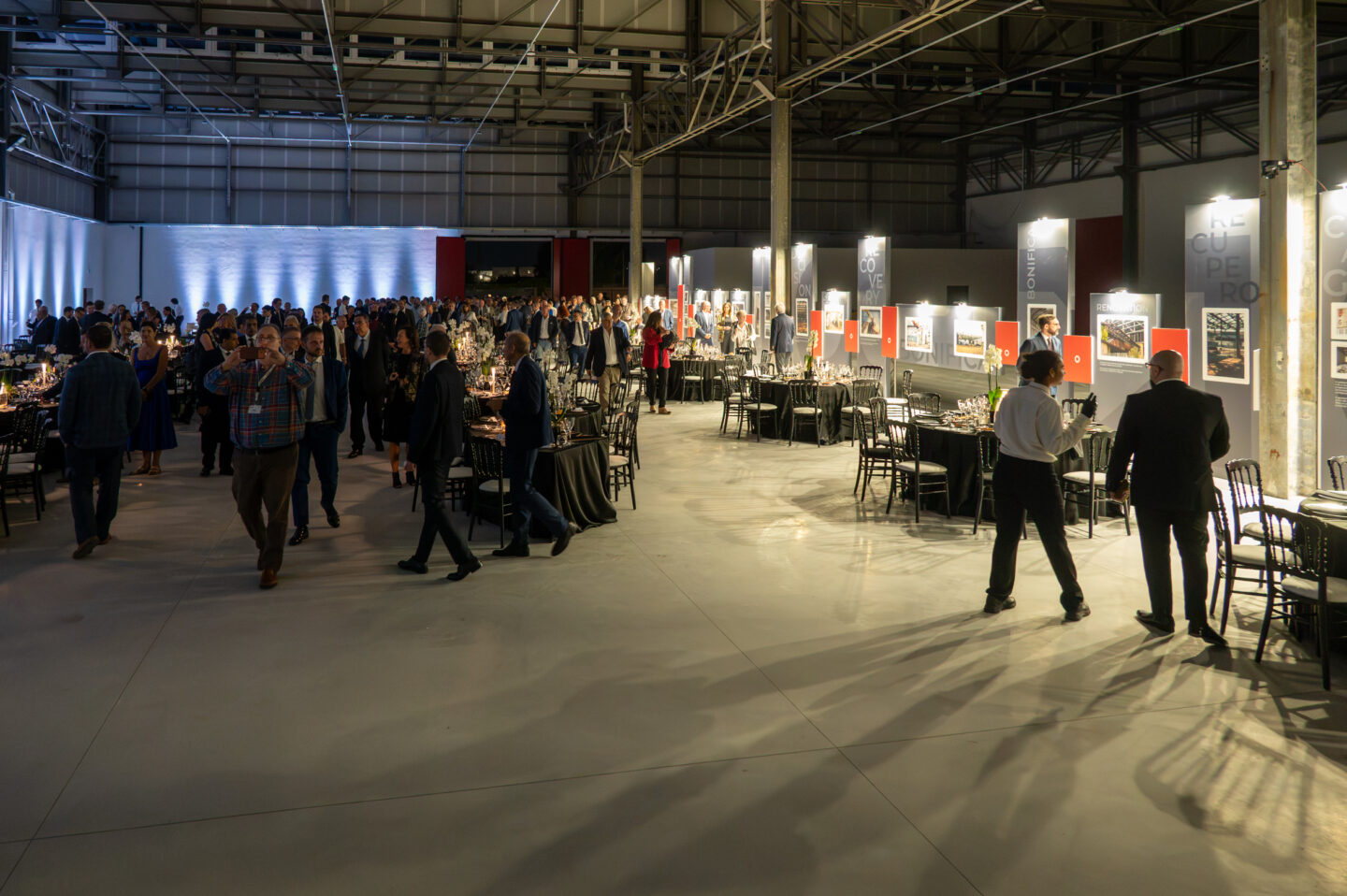
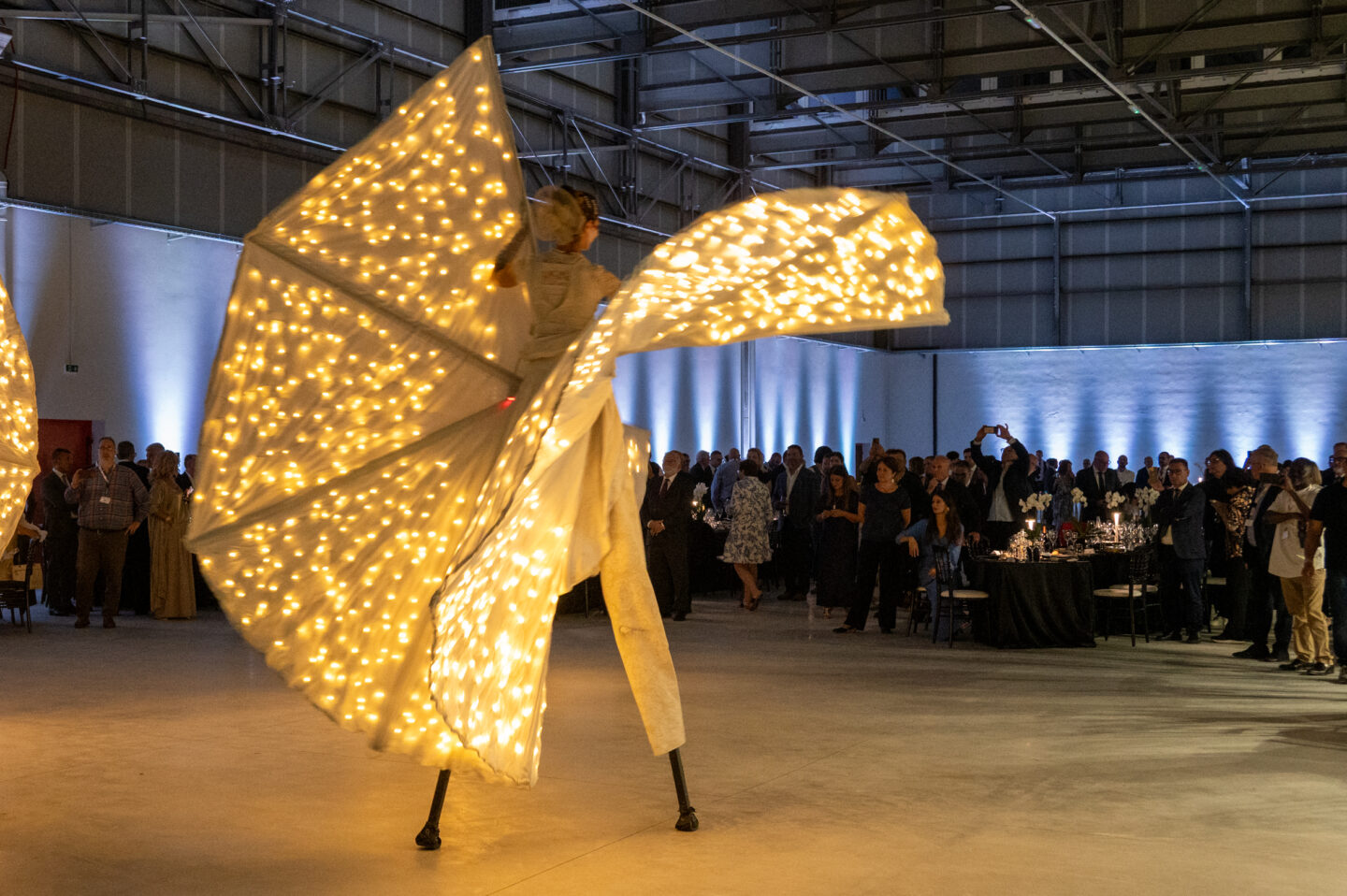
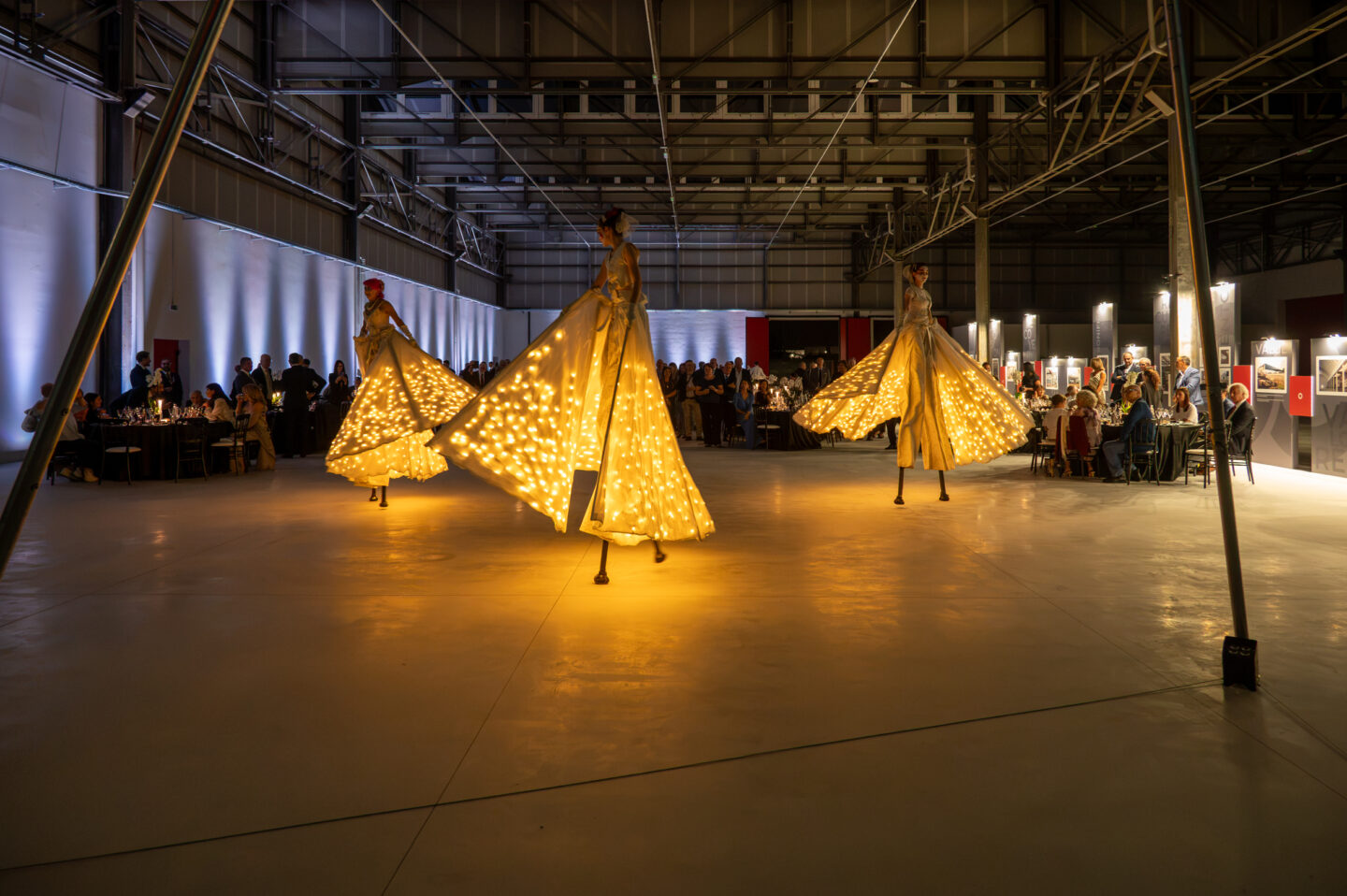
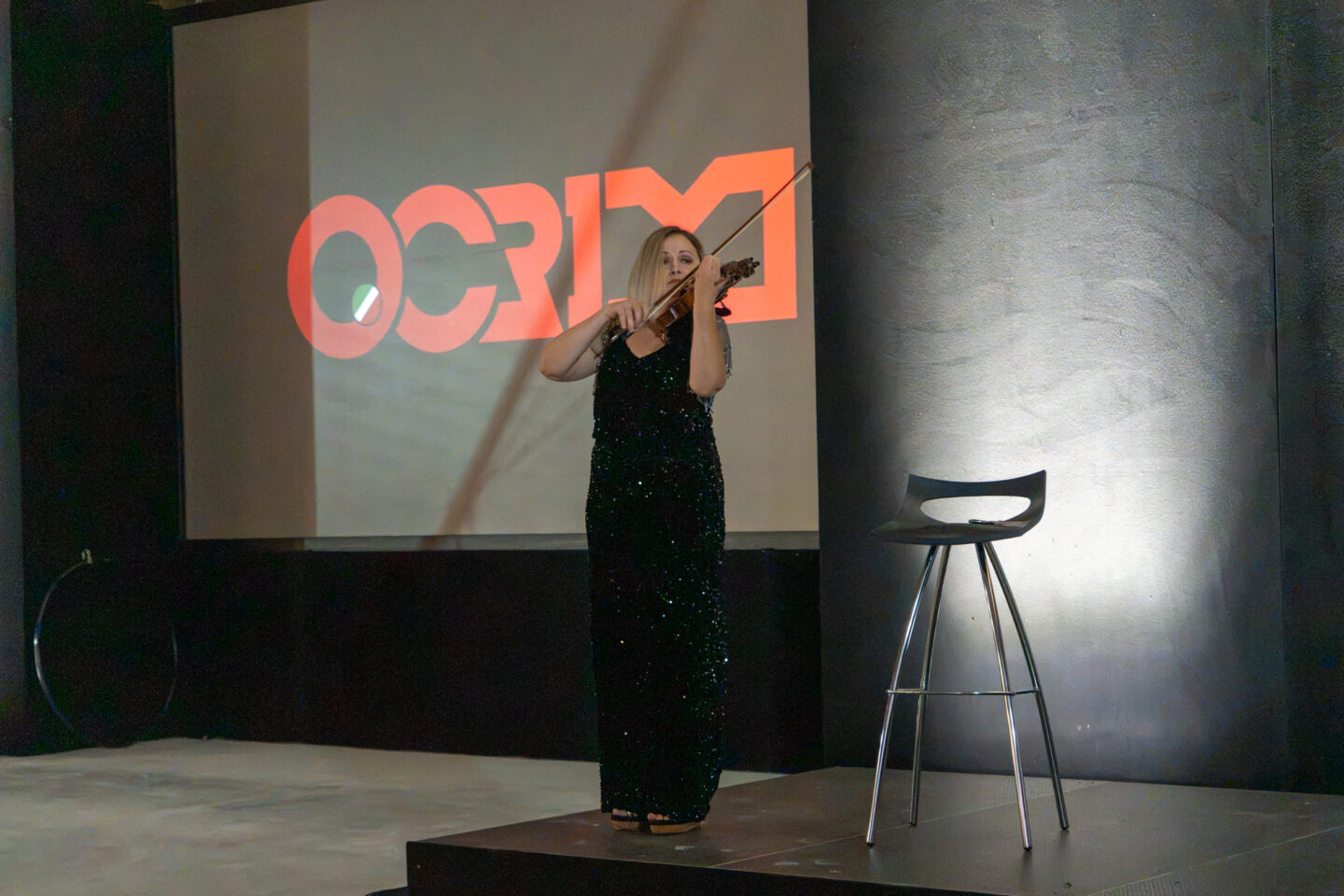
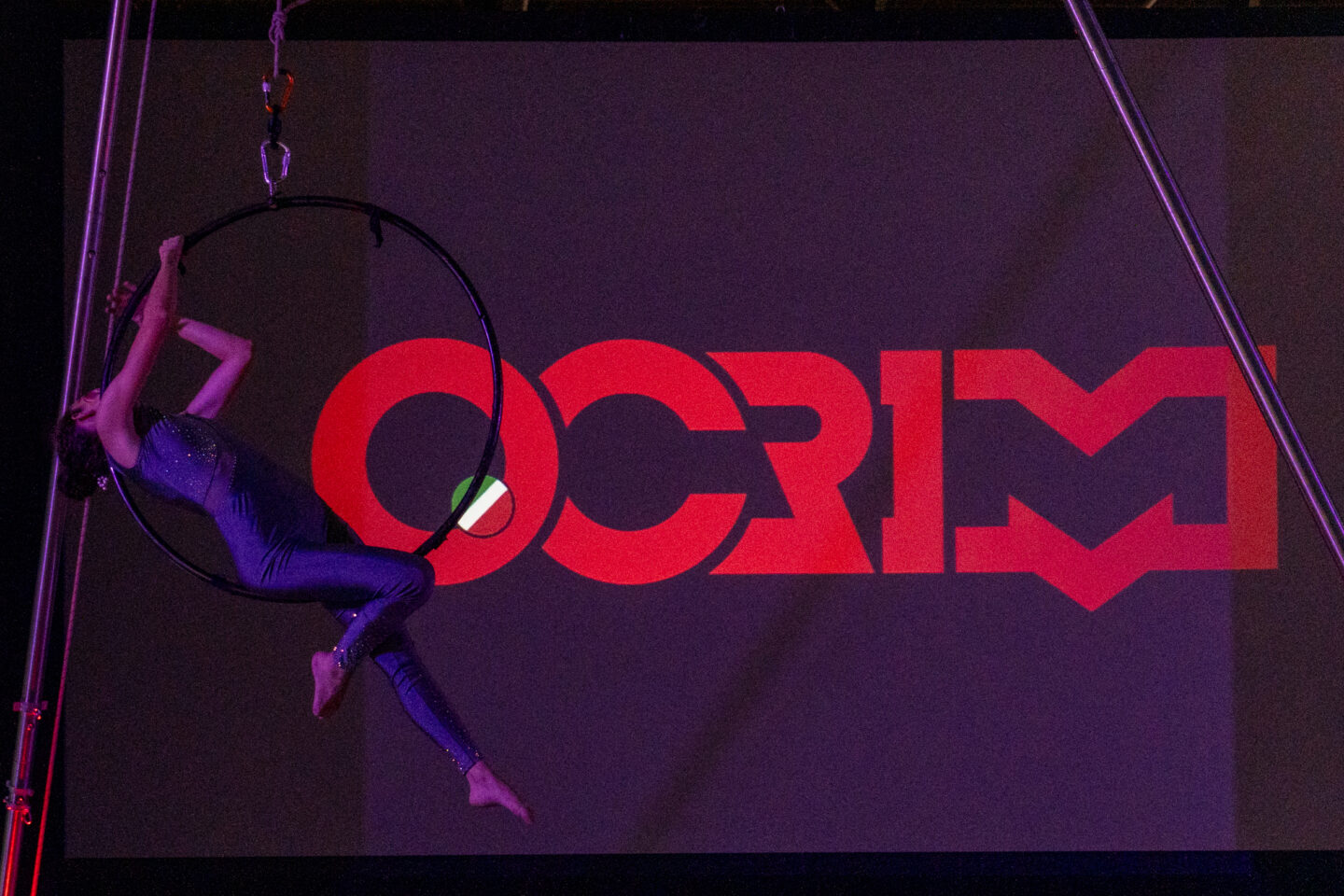
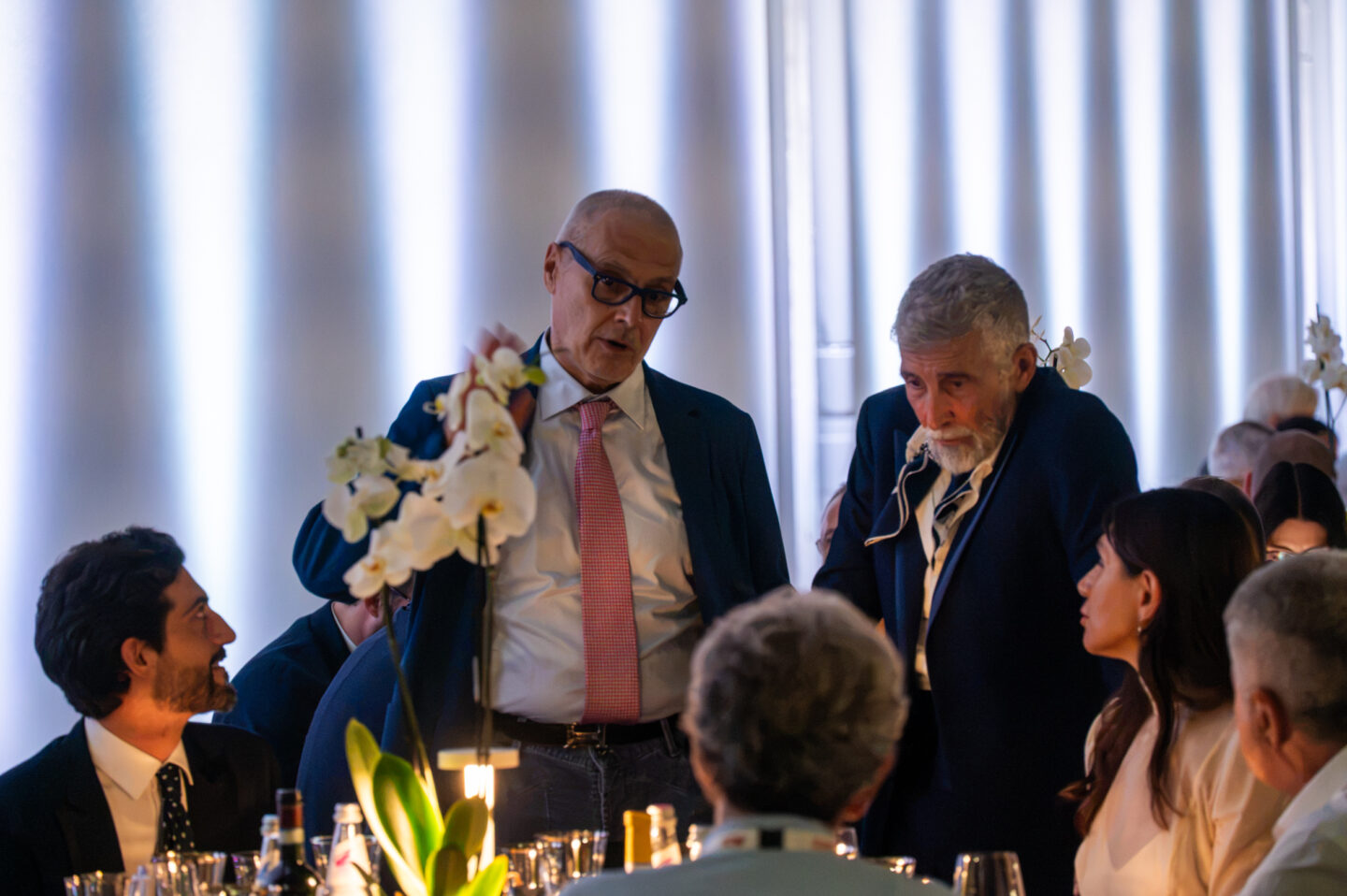
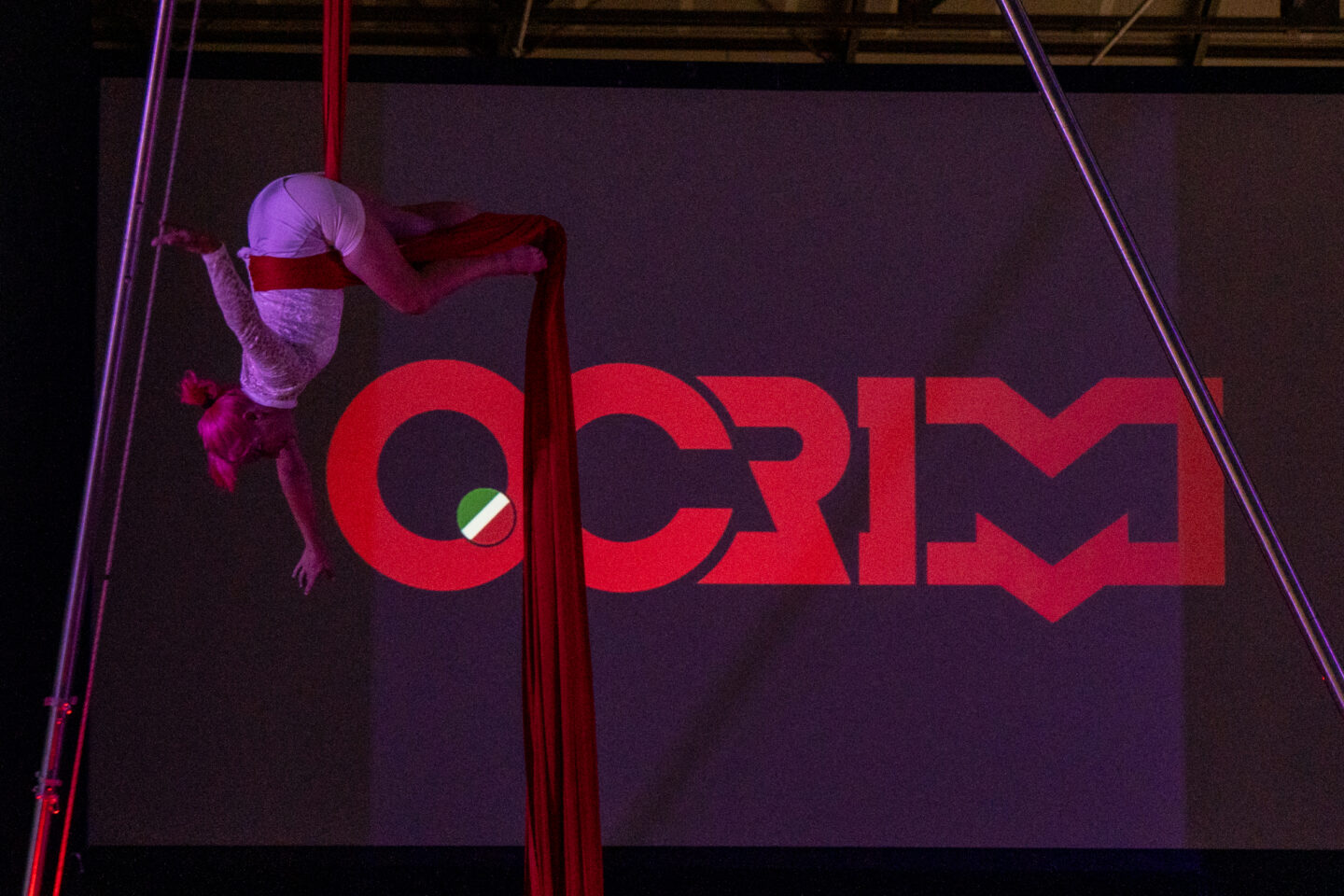
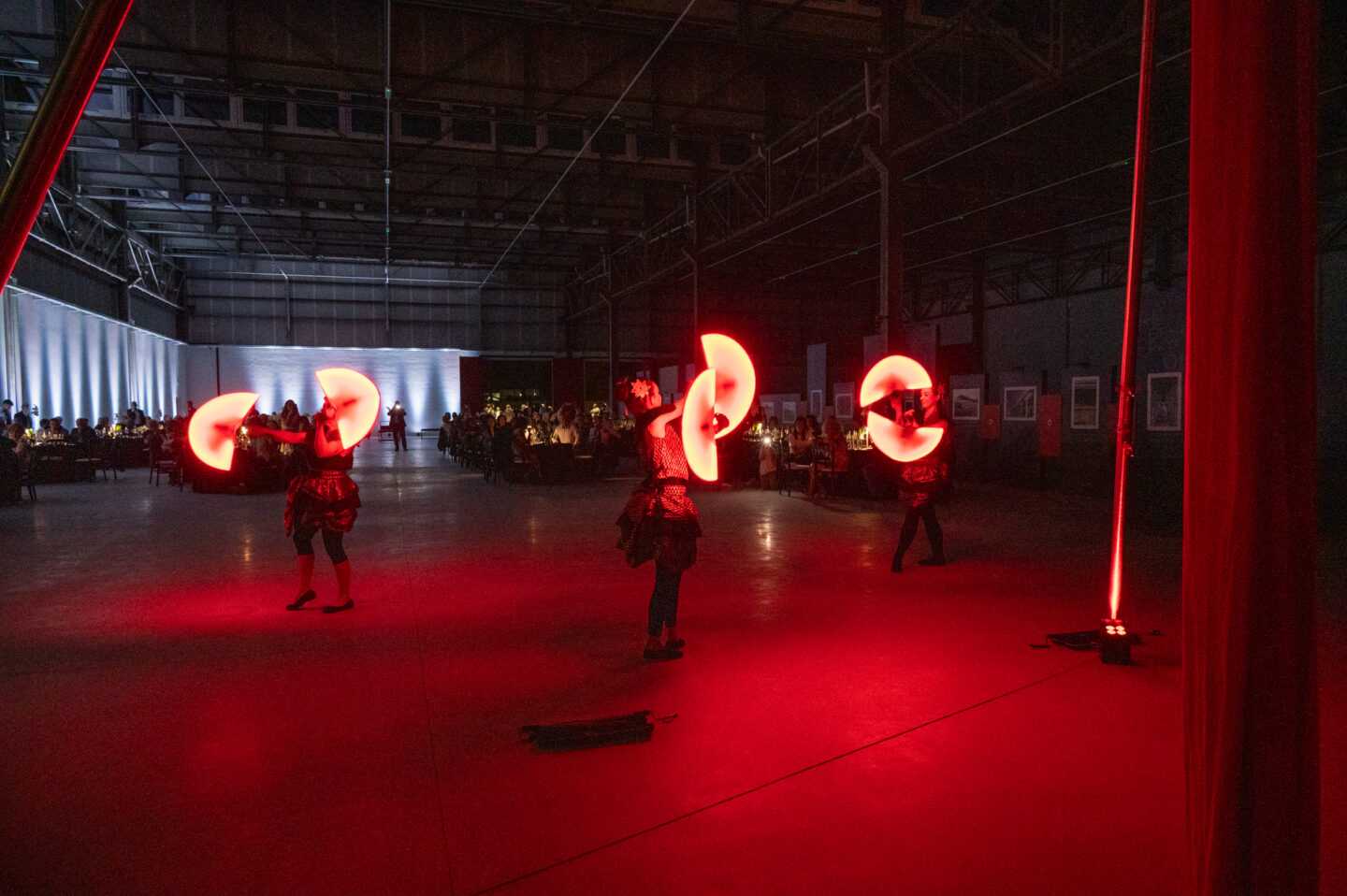
For the occasion, one of the two new industrial buildings took on a completely different appearance for the evening. The industrial character of the structure remained recognizable, but the spaces were reimagined to host an elegant and refined dinner while creating an atmosphere that was as convivial and magical as possible. The performances by the artists who accompanied several moments of the dinner made the evening even more evocative, transforming the atmosphere of the building for a few enchanting moments. Amid striking settings and performances, the industrial surroundings seemed to give way to a suspended, almost fairytale-like world, captivating and enchanting the guests.
And perhaps it was here that the day almost naturally reached its destination.
More than 250 people from over 20 countries, with different languages, traditions and habits, gathered around the same table. It was a natural extension of what had taken place that morning: only a few hours earlier, food had been discussed as an expression of identity, culture and human connection. By evening, those ideas no longer needed to be explained: they were simply happening.
In a place designed for production and work, conviviality brought geographically distant worlds closer together for a few hours, returning food to one of its oldest and most universal dimensions: being together.
With that dinner, “Wheat, flour and…” 2026 had brought only the first chapter of its story to a close.
And Saturday would open a new one.
To be continued…